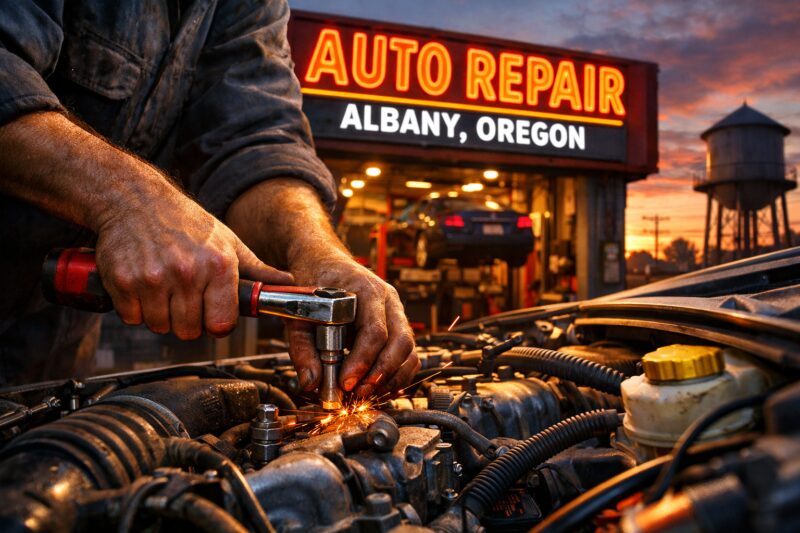
If you need reliable diagnosis and repairs in Albany, Oregon, start by choosing an auto shop that documents findings and explains next steps. When you search for Auto Repair Albany Oregon, you’re really asking for safer driving now, plus fewer repeat visits later. Current diagnostic best practices and clear repair communication standards matter just as much as the wrench work. Most people end up here after a warning light, a strange noise, or a vehicle that will not pass inspection readiness checks.
This guide gives you a practical decision path. You will learn what to ask on the phone, what a good written estimate looks like, and how to think about pricing and timelines. You will also get Albany-specific considerations, since cool, wet winters and summer wildfire smoke can affect what technicians find. Finally, you will see how to avoid misdiagnosis on complex electrical and emissions-related problems.
Choose an Albany, Oregon auto repair shop with a diagnosis-first mindset
The fastest way to avoid wasted money is to pick a shop that treats diagnosis as the first step. If your car has a warning light or drivability issue, you want a shop that verifies symptoms before parts get replaced. For Albany, Oregon drivers, this matters because moisture and road conditions can trigger intermittent problems that vanish when you take the car in.
Start with right-fit experience. Ask whether the shop works on your vehicle type, like passenger cars or light trucks. Also ask if they use a diagnostic-first approach, or if they often swap parts to see what changes. A parts-first habit can turn a simple fix into a long repair with unclear outcomes.
Next, look for transparency signals. A trustworthy shop offers clear written estimates with line-item labor and parts. They also explain the diagnosis, not just the repair. In addition, you should expect the shop to document what they checked, what failed, and what they recommend next.
When you call, use a short booking checklist questions style script. Tell them what you feel and when it started. Mention any warning lights, odd smells, or noises. Also say if the problem happens only when the engine is cold, during rain, or after driving on OR-99W toward nearby routes.
Finally, trust but verify with warranty and authorization rules. Ask how they handle customer approval for supplemental findings. Confirm what is covered by any warranty and whether it applies to parts and labor. Keep in mind that “cheap diagnosis” can cost more if the shop skips baseline checks like battery and charging health, fluid condition, and scan history.
| What to compare | What good looks like | What to avoid |
|---|---|---|
| Estimate format | Written, line-item labor and parts | Vague numbers without item detail |
| Authorization process | Calls you for extra work | Repairs beyond approval without contact |
| Diagnosis proof | Shows tests run and results | “We’ll try parts” with no test plan |
| Warranty clarity | Explains parts vs labor coverage | Warranty terms only discussed after work |
Use diagnostic-first troubleshooting to fix drivability issues safely
Good drivability repair starts with symptom verification, not guessing. If the car jerks, hesitates, surges, or stalls, a competent shop recreates the concern and confirms what systems are involved. Then they move from observation to tests that narrow the cause.
A typical diagnostic workflow begins with checking easy causes. Technicians inspect for obvious leaks, loose connectors, damaged hoses, and battery condition. After that, they scan for stored codes and review pending codes that may not light the check engine lamp. In addition, they cross-check live sensor data to see if values match what the engine should be doing under load.
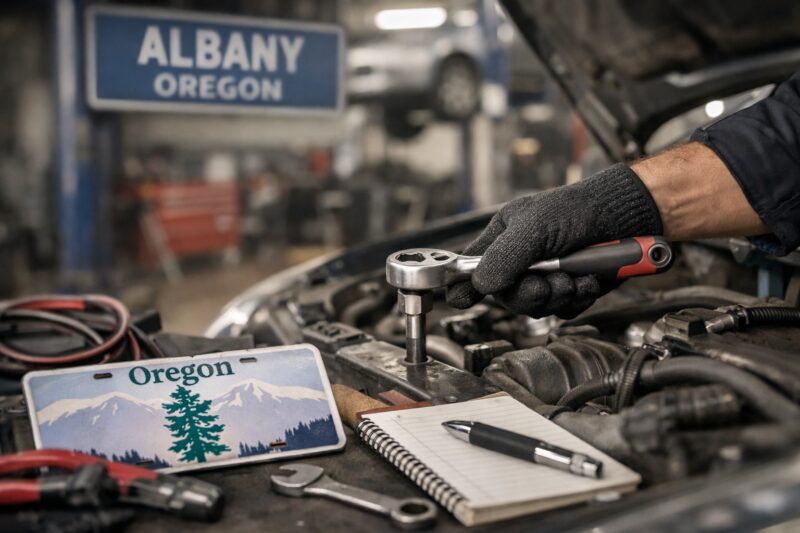
In Albany, moisture can create real intermittent faults. For example, wet weather can affect connectors and sensor mounting points. A reputable technician checks for corrosion or damaged seals, then retests after the issue reproduces. If the problem only shows up after rain or on a damp commute, ask the shop to consider condition-reproducing checks rather than one quick inspection.
A strong diagnostic report includes test names, results, and the logic behind the recommendation. It should also state confidence levels, like “most likely” versus “possible.” Meanwhile, if no codes appear, the shop should not guess. They should document manual checks, test drive observations, and any component inspections that do not rely on a code.
Safety boundaries also matter. If symptoms suggest overheating, severe misfire, brake pull, or loss of steering control, towing may be required. Conversely, some concerns can be evaluated with limited local driving if the shop confirms safe conditions. Always ask what they recommend for your exact situation and why.
Choose maintenance services that reduce repeat breakdowns in Albany
Maintenance helps prevent the next failure, even when you came in for an urgent repair. A good shop separates “recommended by schedule” from “recommended by condition.” Then it explains what is safe to defer and what should be addressed soon.
Common maintenance services include oil and filter work, brake inspections, tire and alignment checks, and cooling system service. Shops also assess battery and charging health, since weak batteries can create misleading electrical symptoms. For Albany drivers, cooling system attention is especially useful because cool, wet winters can raise the odds of corrosion and overlooked leaks.
Ask for proof of work. That means measurements like tire wear patterns, brake thickness, and inspection notes on hoses and belts. It also means updated service history entries that make future diagnoses easier. In addition, a shop should record what it found, not only what it replaced.
Preventive actions that often stop repeat visits include leak inspection logic, pressure checks for cooling systems, and connector checks near moisture-prone areas. A technician can also advise you when cabin air filtration may need attention, especially during summer wildfire smoke periods. If air quality affects your HVAC complaints, the shop should check filter condition and airflow before chasing odors.
As you plan driving realities, remember that short trips in winter and longer highway drives in milder seasons stress different parts of the vehicle. Therefore, the “right interval” is not always the same for every driver. A trustworthy approach focuses on your use, not only generic mileage charts.
Before you approve work, you should understand what the shop plans to do and how costs can change. A clear estimate protects you and helps the shop avoid unnecessary labor. It also makes approval decisions easier if new findings show up mid-repair.
Ask for the diagnosis plan, not just the final repair line. For example, you can request “worst-case versus likely cause” options with a stepwise path. Then ask about parts availability timing so you can plan around vehicle downtime. In addition, request an estimated labor range, and ask what could add hours.
Also clarify how supplemental findings are handled. Good communication means the shop calls you if costs or scope change. It should also explain alternatives, like lower-cost component options, when they exist. If your vehicle needs ongoing work, ask whether they can prioritize the most safety-critical items first.
Parts questions deserve attention too. Ask whether they offer OEM parts, aftermarket parts, or both, and how each affects warranty. Inquire about warranty on parts and labor, and ask whether used parts are available when appropriate. Remember that a shop should not sell you on a “more expensive is always better” story, and it should not push the cheapest option without explanation.
Finally, understand flat-rate labor. Flat-rate can be accurate for standardized repairs, but it can mislead when damage is more complex than expected. Therefore, ask what documentation they provide, like inspection results and teardown notes. This is part of trustworthy repair steps that support fair billing.
Avoid common auto repair mistakes that waste time and money in Albany
Many repair problems start long before the car reaches the shop. One common mistake is choosing a shop based only on price. However, the cheapest route can require multiple returns when diagnosis is rushed or incomplete.
Another issue is refusing diagnosis before teardown. If a shop starts replacing major parts without confirming the root cause, you risk the “parts swapping” trap. In that scenario, each replacement changes the symptoms slightly, but it does not solve the underlying issue. As a result, downtime grows and confidence drops.
People also assume that a check engine light turning off means the problem is gone. Intermittent faults can clear temporarily, while pending codes or readiness monitors still show incomplete testing. That is why the shop should review scan data history, not only the current light status. Also ask whether they will check readiness monitors relevant to your inspection needs.
Watch for red flags in estimates and warranties. Vague estimates, pressure tactics, and refusal to show replaced parts are common warning signs. In addition, be careful with warranty misunderstandings. Ask what coverage applies to, what exclusions exist, and how long coverage lasts under real use.
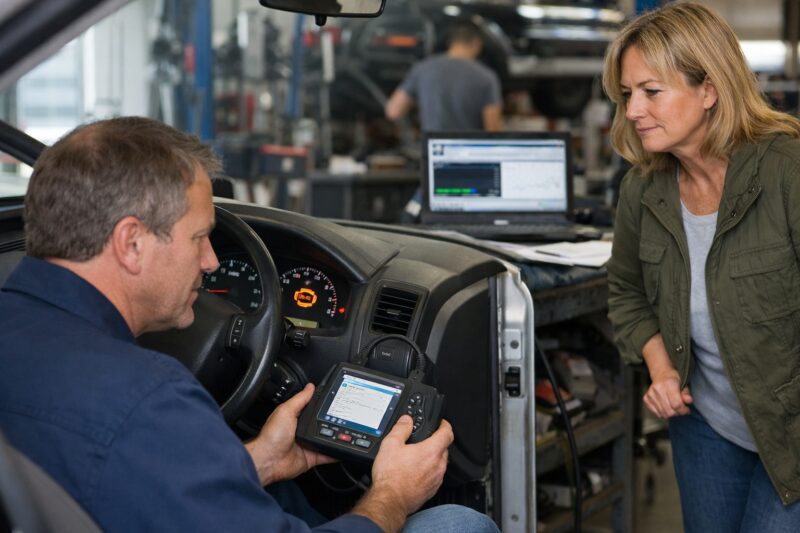
When a shop proposes multiple possible causes, ask for a ranked plan. Request the least invasive tests first to control cost. Then confirm which results will trigger the next step. This helps prevent expensive trial-and-error work that weakens trustworthy repair steps and leaves you with no clear path forward.
Pick the right service approach when a repair is not a one-and-done fix
Not every vehicle situation fits a single repair. Sometimes you need a repair-first plan, while other times a maintenance approach reduces repeated failures. Choosing the best option depends on urgency, budget stability, vehicle age, and whether the issue keeps coming back.
A repair-first approach makes sense when the immediate failure risks driving safety. The shop diagnoses now, fixes the core issue, and then you schedule maintenance later. This often lowers upfront scope, and it can be helpful if you must get back on I-5 quickly. However, if the car already shows multiple wear items, a repair-first plan may shift costs to later visits.
A maintenance plan works better when you want to prevent surprise failures. For example, bundling inspections can address brakes, tires, cooling service, and battery health in one coordinated schedule. This can reduce downtime even if the repair list grows slightly, because everything is handled in one service cycle. It also supports preventive maintenance benefits like better readiness for road trips.
If you are buying or selling a vehicle, a pre-purchase inspection can improve decision confidence. In the Albany area, that helps you spot issues that might not show up during a short test drive. For light commercial or recurring needs, some owners prefer a consistent support model that focuses on scheduling and repeat inspection checkpoints.
Local conditions also influence planning. During summer wildfire smoke advisories, HVAC odor complaints and cabin air filtration issues can change customer experience. As a result, you may want the shop to check cabin air filters and airflow paths before assuming an electrical fault. When you ask for a ranked plan, you keep the process methodical and cost-controlled.
Schedule repairs around Albany, Oregon driving conditions and service logistics
Albany, Oregon drivers face real conditions that shape diagnostic findings and repair planning. Albany sits in Linn County, Oregon, near the Willamette River, and I-5 serves the broader area. OR-99W is a key corridor for local travel, which means breakdowns can interrupt daily commutes.
Cool, wet winters raise the odds of corrosion and moisture-related electrical connector issues. Even when the problem seems to disappear, the shop may need to inspect seals, harness routing, and possible splash zones. Meanwhile, mild-to-warm summers can bring different stress patterns, like longer highway drives and higher cabin temperatures. If the concern is intermittent, schedule the evaluation when the issue is most likely to show up.
Summer wildfire smoke can affect air quality and HVAC performance complaints. If you notice stronger odors, reduced airflow, or unusual cabin sensitivity during smoky days, tell the shop. Then ask whether they will check cabin air filtration and HVAC airflow before focusing only on engine systems.
Logistics matter, too. Parts availability and scheduling demand can change throughout the year. Therefore, book ahead in peak summer and during smoke or air-quality advisory periods. When you call, include when symptoms started and what weather exposure preceded the problem.
A customer scenario often looks like this: a commuter on OR-99W notices a hesitation that starts after rain. The next morning the car seems fine, so they delay the. A diagnostic-first shop verifies the condition, inspects moisture-prone connectors, and documents the test results instead of guessing. That process often prevents a repeat return when the fault returns after the next wet drive.
Complex problems need structured troubleshooting, especially when they involve sensors, modules, or airflow. Electrical and emissions complaints can be real but hard to reproduce. Therefore, the shop must work from proven checks and stepwise logic, not from assumptions.
Start with power and grounds. Technicians should check battery condition, charging output, and basic voltage stability before blaming a “computer.” Next, they inspect grounds and connectors for corrosion, looseness, and damaged insulation. After that, they scan modules and review stored, pending, and intermittent fault patterns. This sequence helps avoid unnecessary parts replacement and supports accurate root-cause identification.
For HVAC and air-quality complaints, the workflow should address airflow first. That can include checking cabin filter condition, inspecting blend door or actuator behavior, and verifying vent output under different settings. If wildfire smoke is part of the story, the shop should connect filter status to odor and comfort issues. This reduces the chance of misdiagnosing an air complaint as an electrical fault.
Emissions-related confusion often comes from partial scan results. A one-time code pull might miss intermittent faults that only appear after certain drive cycles. Readiness monitors, pending codes, and freeze-frame data help show whether the system has completed the tests needed for inspection readiness. Ask the shop how they interpret readiness data and how they verify the concern is resolved.
When a shop proposes multiple possibilities, request a ranked plan with “least invasive first” testing. Ask what result would confirm or rule out each step. Also ask what documentation you receive after each phase. In real cases, this communication style supports safer decisions and reduces the chance of repeat repairs caused by incomplete diagnosis.

Understand how warranties and maintenance records affect repair outcomes
Warranties and service records can make a major difference when your vehicle fails again. If you get a repair documented clearly, the next diagnostic becomes faster and more accurate. If records are missing, technicians may retest the same checks, which raises cost and downtime.
When you talk with the shop, confirm suspension warranty expectations only if your repair involves suspension components. If it does not, ask about the correct warranty scope for the actual parts you are replacing. Then request that the warranty terms be written or included in your paperwork. This helps you understand whether coverage applies to parts, labor, or both.
In addition, keep your maintenance history organized. When a shop updates service history entries with measurements, it reduces guesswork later. For example, recorded brake thickness and tire wear patterns help explain future pulls or noise complaints. Also, a clear coolant or battery service history supports better electrical and cooling system diagnostics.
If you want fewer repeat visits, ask how they align maintenance with your vehicle’s condition. A shop that distinguishes schedule-based versus condition-based recommendations usually communicates better. As a result, you spend less time arguing about priorities and more time driving with confidence.
Finally, ask how the shop handles parts quality decisions and how they communicate tradeoffs. This is where good notes help. They show what was installed, what was inspected, and what tests supported the decision. Those details support long-term ownership and strengthen your ability to plan future repairs.
Frequently asked questions about auto repair in Albany, Oregon
How much does auto repair cost in Albany, OR for a basic diagnostic?
Diagnostic pricing varies based on inspection scope, how deep the scan data review goes, and how hard it is to reproduce the concern. If your symptoms are intermittent, the diagnosis often takes longer. Many shops also adjust pricing when towing or multiple test drives are needed. Ask for a written range before you approve work, and request what tests are included.
How fast can I get a car diagnosed and repaired in Albany, OR?
Typical diagnosis scheduling depends on shop demand and whether parts availability is immediate. Many drivers can get an initial evaluation within a few business days, but peak summer and smoke advisory periods can slow scheduling. Repairs can take from same-day work to several days, depending on parts and complexity. For the most accurate timeline, ask the shop to consider your exact symptoms and expected parts lead time.
Do I need a diagnostic before repairs if I already know what’s wrong?
Sometimes direct repair makes sense when the issue is obvious and previously diagnosed with documentation. However, many problems share symptoms, so a fresh diagnostic can prevent repeat misdiagnosis. If your concern changed since the last repair, the shop should recheck the root cause. Ask whether they will confirm the diagnosis with tests before replacing parts.
What should I ask a mechanic before they start work on my vehicle?
Ask for the diagnosis plan, what they will test, and how they will report results. You should also ask for an estimate with line-item labor and parts, plus how supplemental findings are handled. Confirm how they contact you if costs change. If you want to control budget, ask for a ranked “least invasive first” plan.
Can a check engine light turn off but the problem still be there?
Yes, intermittent faults can clear temporarily while the underlying issue remains. Pending codes or incomplete readiness monitors may still indicate that the system has not completed tests. If your inspection readiness matters, documentation from the shop matters more than the current light status. Ask whether they reviewed freeze-frame data and pending codes.
What’s the difference between routine maintenance and a repair visit?
Routine maintenance focuses on inspections and services based on schedule or condition, like oil changes, brake checks, and battery health. A repair visit addresses a specific failure or symptom like overheating, no-start issues, or drivability problems. A good shop explains the outcome of each maintenance inspection and what it changed. Then it helps you decide what is safe to defer versus what needs attention now.
Will you test before replacing parts to avoid guessing?
A reputable shop should test first and document results before replacing parts. Testing may include scans, live data checks, and physical inspections like connector and fluid checks. If the shop recommends a test plan, it can also explain what result would change the next step. Ask how they confirm root cause, not just symptom relief.
Are OEM parts or aftermarket parts better for repairs in Albany, Oregon?
OEM parts and aftermarket parts can both work well, but the right choice depends on fit, warranty terms, and your vehicle’s needs. OEM parts often match original specifications, which can help in sensitive systems. Aftermarket parts can be a solid option when the shop can verify quality and coverage. Ask how each option affects warranty and whether the shop offers parts and labor guarantees.
How do I handle repairs when parts are backordered during summer in Albany?
If parts are backordered, ask about alternative equivalent parts, staged repairs, or partial fixes that prevent further damage. You can also ask whether the shop can prioritize safety-critical items first. Timing may depend on availability and shipping delays during peak demand. Discuss your options in writing so you can plan for downtime and approval decisions.
Is it safe to drive if the problem only happens in wet weather or after rain?
It can be safe to drive in some cases, but it depends on what the symptoms are and whether the fault affects safety systems. If the issue involves brakes, steering, overheating, or severe misfire, you should not assume it is safe. A shop can often advise you based on test results and the risk level of the suspected system. Ask the shop what safety thresholds they use for your situation.
Take the next step with a clear call, estimate, and paperwork trail
To choose the right Auto Repair Albany Oregon option, focus on transparent diagnosis, written estimates, and clear authorization. Compare at least two or three shops and ask the same core questions so you can judge process, not just price. When you call, bring a symptom timeline and include whether the issue happens after rain, on OR-99W, or during smoke days.
Your best next step is to book an evaluation and request documentation of tests and results before major work. Keep copies of estimates and warranty terms for your records. That habit helps future repairs and reduces repeated troubleshooting.
If you are weighing options, start with a ranked, least-invasive plan. Then follow through with the repair steps the shop recommends based on evidence. When you track maintenance outcomes, you also build long-term ownership confidence and support preventive maintenance benefits for the next season.
Updated September 2026