
This article focuses on How Preventive Maintenance Can Extend Vehicle Life; where relevant we also address extend vehicle life maintenance without making speed or the keyword phrase the sole subject of the piece.
Preventive maintenance extends vehicle life maintenance by slowing wear, catching small issues early, and reducing the odds of expensive failures. In practice, it means you follow the right checks on the right schedule for how you actually drive. This guide helps you build or audit a plan that protects your drivetrain, safety systems, and electrical health. It also covers how 2026 vehicle diagnostics and service reminders can change scheduling, without replacing inspections. If you want your car to last longer, use a preventive mindset that targets failure points before they cascade.
We will cover what to maintain, how to time it, and how to choose intervals that fit your usage. You will also learn what preventive maintenance is not, so you avoid wasteful or risky “more is better” habits. Along the way, you will see how documentation and measurements turn maintenance into a repeatable system. Start by thinking in systems, then build your schedule from real wear indicators.
How preventive maintenance prevents early wear and failure
Preventive maintenance extends vehicle life maintenance by addressing wear drivers before they reach the failure threshold. Fluids degrade, filters clog, alignment drifts, and batteries weaken. When those small changes compound, they often shorten component life fast.
Here is the core mechanism. Most vehicle failures start as a deviation from proper operating conditions. For example, old engine oil loses viscosity and additives. As a result, metal surfaces separate less well and wear accelerates. Similarly, a restricted air filter can reduce airflow and increase stress on the engine.
Preventive maintenance also uses failure mode thinking. Instead of waiting for a part to break, you ask what each system needs to stay within safe ranges. Oil service prevents rapid engine wear. Cooling system service helps avoid overheating and head gasket damage. Brake inspections slow rotor damage. Battery and charging checks reduce “no-start” events that can strand you at the worst time.
It matters because vehicles fail in sequences. A cooling leak can harm the engine long after the first symptom fades. Contaminated fluid can ruin bearings even when the level looks “okay.” That is why preventive work includes inspection, not just replacement.
Meanwhile, it is important to know what preventive maintenance is not. It is not random parts swapping. It is also not a guarantee of zero breakdowns. Even well-maintained cars can fail due to manufacturing variation or sudden road damage. The goal is risk reduction and longevity, not perfection.
Finally, think about real-world outcomes. You should see fewer warning lights, more consistent performance, and fewer surprise repair bills. You should also budget with confidence because your maintenance costs become predictable over time. For ongoing reliability guidance, the U.S. EPA also explains how proper vehicle care supports emissions and performance through correct maintenance practices U.S. Environmental Protection Agency.
Build a maintenance plan around vehicle condition, not only mileage
A good preventive plan adapts to vehicle condition and driving reality, not just the odometer. Mileage is a useful signal, but it cannot describe heat cycles, towing load, dust exposure, or cold starts. Therefore, you should combine manufacturer guidance with condition checks.
Start with the “interval logic.” Use the manufacturer schedule as a baseline, since it reflects design requirements and testing assumptions. Then adjust for usage patterns. If you commute in stop-and-go traffic, your engine runs hotter and idles more often. That can degrade fluids faster even at lower miles. If you tow or haul, drivetrain temperatures rise and stresses increase.

In addition, climate changes how parts age. Cold weather can increase battery drain and harden some fluids. Hot climates can accelerate rubber aging and cooling system stress. Dusty roads can raise filter loading and contaminate air paths. Salt exposure can speed up corrosion, especially on underbody components.
Next, create a decision path for each category. Some items are “inspect first.” For example, tire wear patterns can show alignment issues early. Other items are “service on schedule,” like fluids that reach end-of-life properties. Still others are “service based on wear indicators,” such as brake pads once measurements show thin pad material.
In 2026, onboard reminders and diagnostics can influence timing. Service intervals may appear in the dash, and diagnostic trouble codes can point to system changes. However, those tools do not replace inspections. Sensors can miss early wear, especially if a fault is intermittent.
Finally, tailor intervals instead of stretching everything. High-stress areas often need stricter rules. That includes cooling system maintenance, brake service timing, and transmission fluid service intervals. A plan that fits your conditions reduces both wear and risk of cascading damage.
Prioritize systems that most strongly influence long-term durability
To extend vehicle life, prioritize the systems that trigger the biggest downstream repair bills when neglected. Those are usually the engine and lubrication path, the cooling system, the drivetrain fluid circuit, and the safety-critical brake and steering components. Electrical health also matters because weak starting systems can cause stress during every cold start.
Engine health starts with clean lubrication and airflow. Fresh oil and correct oil specifications help protect bearings and reduce friction. A clean air filter supports proper combustion and reduces soot buildup. Then, cooling system care prevents overheating, which can warp components and damage seals.
Next comes the drivetrain. In many vehicles, transmission fluid service intervals affect smooth shifting and internal lubrication. If fluid breaks down, wear can increase in clutches and bearings. Driveshaft joints and differential components also deserve attention, especially if you tow, travel rough roads, or drive in salt.
Brakes and suspension influence both safety and cost. Worn brake components can damage rotors and calipers. Misalignment can wear tires quickly and load suspension joints unevenly. Meanwhile, electrical and charging issues can create intermittent faults that degrade drivability and reduce reliability.
It also helps to think in overlap. Cooling problems can lead to engine wear. Alignment affects tire wear and suspension wear. Brake dust and heat can accelerate rotor and caliper aging. These connections explain why a “one item at a time” approach can miss the bigger picture.
Different driver types benefit from the same strategy. Fleet vehicles, commuters, and road-trip drivers all face real wear drivers. Towing and hauling owners often add extra heat and load. High-mileage retirees may see more corrosion and seal aging. The preventive plan should match those stresses.
Use inspection and measurement techniques that catch problems early
Early detection depends on good measurements, not just “feels fine” checks. Preventive maintenance extends vehicle life maintenance when you catch wear indicators before they trigger component failure. A consistent inspection cadence makes those indicators easier to spot.
Start with practical inspection areas you can repeat. Visually check belts, hoses, and underbody rust. Inspect tire tread and sidewall condition. Check brake pad thickness and look for uneven pad wear. Evaluate fluid condition by color and odor when safe and appropriate.
Measurement matters because it replaces guesswork. Tire tread depth tells you how much grip remains. Brake pad wear measurements show how close you are to metal-on-rotor risk. Battery health checks can reveal internal weakness even if the terminals look clean. Cooling system checks can identify early leaks or signs of pressure loss.
Documentation is a major part of the system. Good records include date, mileage, and what changed. Photos help you compare rust, tire wear, and belt condition over time. If a shop measures and records findings, ask for the numbers. This turns your schedule into evidence-based planning.
There are common false confidence cases. A component may look fine on the outside but fail internally. For example, intermittent charging problems can show up only when electrical load spikes. Also, short trips can contaminate fluids faster before color changes are obvious.
Finally, know when to escalate. If you see abnormal temperature readings, brake warning behaviors, or recurring warning lights, do not wait for the next routine interval. Quick escalation protects the surrounding parts. For diagnostic and maintenance context, National Institute for Automotive Service Excellence publishes guidance on quality service practices and technician standards.
Avoid misconceptions that shorten vehicle life
Several myths push owners toward higher risk and shorter lifespans. Misunderstandings about maintenance timing, “more work,” and vehicle-specific intervals can lead to wasted money or preventable failures. Clear thinking helps your preventive plan protect the systems that matter.
First, “if it isn’t broken, don’t touch it” is not always correct. Preventive work often targets hidden wear. A fluid service can reduce internal contamination before it damages bearings. An inspection can find a coolant seep before it becomes an overheating event.
Second, “more maintenance always equals longer life” is risky. Unneeded work adds cost and can introduce new errors. For example, frequent resealing or repeated disassembly can increase the chance of leaks if procedures are sloppy. Also, using the wrong fluid spec during “extra” service can reduce protection.
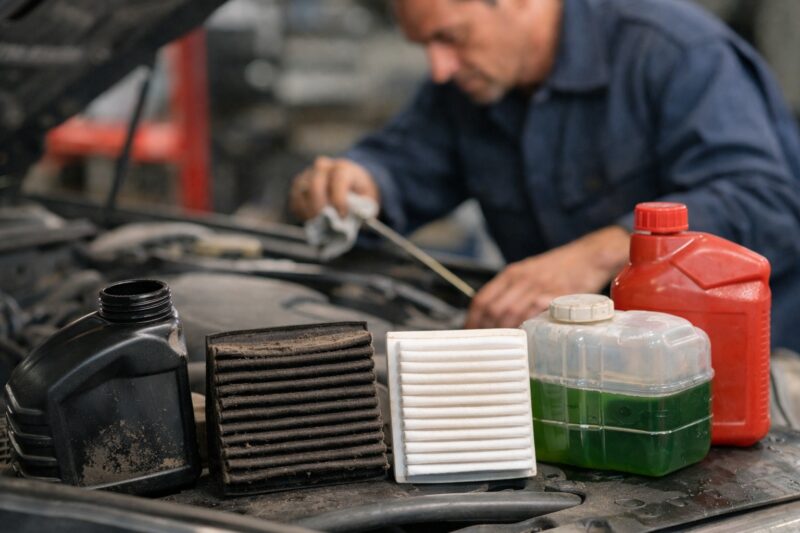
Third, “one interval fits all vehicles” can fail in real life. Your climate, driving style, and loads change wear drivers. Therefore, do not stretch every item just because your friend does. Instead, tailor intervals with condition checks and measurable indicators.
There are also counterproductive mistakes. Over-torquing parts during service can damage threads or weaken mounting points. Reusing critical hardware can reduce clamp force. Skipping the right service reset procedures, when required, can cause inaccurate reminders or missed follow-up checks.
Edge cases deserve extra attention. Vehicles that sit unused for weeks need battery and fluid checks before driving. Extreme cold can strain batteries and stiffen rubber components. Modified vehicles may have altered cooling, fueling, or electrical behavior that changes maintenance needs. When those factors apply, adjust the plan, not the hope.
Choose service options and parts with long-term compatibility in mind
Preventive maintenance extends vehicle life maintenance when you choose correct parts, correct specs, and reliable service processes. The brand label matters less than compatibility, correct application, and proper procedure. So, evaluate options based on how well they match your vehicle’s requirements.
Start with service source. Dealer service often aligns closely with manufacturer schedules and may have direct access to updated service information. Independent shops can do excellent work too, especially when they document measurements and use correct specs. DIY is valid for items you can do safely and accurately, like basic fluid top-offs or visual inspections.
Next, focus on parts quality categories. OEM parts can be a good choice when you want exact fit and proven compatibility. Equivalent aftermarket parts may work well if they match the correct specification. Value options can be fine in lower-stress applications, but they may have shorter service life if filtration media, metallurgy, or material grade differs.
Fluid and filter specificity is a selection rule you should never ignore. Using the correct grade and specification helps fluids protect engine and transmission components as designed. A mismatched oil can reduce additive performance. A mismatched filter can restrict flow sooner and change bypass behavior. Therefore, proof of spec match should come from your vehicle’s service manual or the manufacturer documentation.
Bring a practical checklist to any shop . Ask what spec they used, not only what brand. Confirm they followed the correct procedures, including the right tightening steps. Request paperwork that shows parts and fluids used, and ask for measurable results like tire tread depth or brake pad thickness.
Tradeoffs exist. Higher-quality parts can cost more upfront. However, the cost-to-fail changes the equation. Preventing one downstream repair often outweighs the difference between acceptable and premium components. If you need a reference for maintenance basics, the U.S. Department of Energy also covers straightforward vehicle upkeep practices for fuel economy and reliability.
Adjust preventive maintenance as your vehicle ages and accumulates wear
Vehicle aging changes what preventive maintenance must protect. Seals harden, corrosion increases, and wear patterns become more pronounced. Therefore, the same schedule can work differently at 60,000 miles versus 140,000 miles.
As your car ages, your inspection should become more frequent and more specific. Look for small seep areas around hoses, fittings, and gasket edges. Monitor suspension bushings for cracking and increased play. Check brake comfort, since uneven pad material or glazing can appear earlier with age-related changes.
High-mileage drivers also often see new failure modes. Oil consumption can increase due to worn piston rings or valve seals. Cooling systems may need more attention because old components are more likely to drift out of spec. Electrical instability can also appear as batteries weaken or ground connections corrode.
Meanwhile, there is a “service tradeoff” you should understand. Sometimes replacing a worn component earlier is cheaper than letting it fail and damaging related parts. In other cases, measured monitoring is smarter than immediate replacement. For example, if brake pad wear measurements show adequate remaining thickness and rotor condition is good, a short monitor period may be reasonable. If measurements show uneven wear or excessive heat damage, replacing sooner can prevent rotor replacement.
Address the objection that maintenance feels “too late” once problems start. Preventive maintenance can still reduce escalation even after minor symptoms appear. However, it must start with accurate diagnosis. If you have a recurring issue, begin with a proper diagnosis plan rather than guessing.
In 2026, diagnostics may influence how you schedule follow-up checks. Many vehicles provide guidance after certain repairs, and some systems require resets or recalibrations. Still, the fundamentals remain reliability-focused. Use measurements, then match the next steps to what the data shows. If a warning light appears, start with solid diagnostics before replacing parts blindly, including proper check engine light diagnostics when relevant.
How preventive maintenance extends vehicle life for different driving lifestyles
Your driving lifestyle changes how quickly wear builds. Preventive maintenance extends vehicle life maintenance when you account for your real operating conditions. Two cars with the same miles can age very differently.
For commuters, stop-and-go driving increases engine time under heat and idle. That can degrade oil faster and load brakes more frequently. For these vehicles, pay attention to cooling performance and brake pad wear measurements at realistic intervals, not only at major service milestones.
Road-trip drivers face fewer thermal cycles but longer continuous operation. Cooling and airflow systems still matter, because high sustained loads can stress hoses and fans. In addition, road debris can chip radiators and impact underbody components, so underbody checks after trips can be useful.
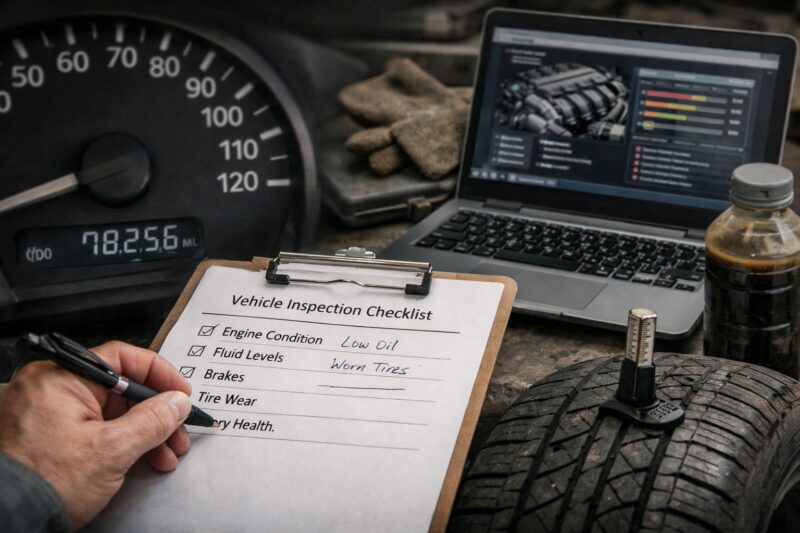
Towing and hauling owners add major heat and strain to the engine, transmission, and brakes. Transmission temperatures rise and fluid chemistry changes under load. Therefore, matching transmission fluid service intervals to your usage can be a bigger longevity lever than following a generic schedule.
Fleet vehicles often endure harsh starts, short trips, and variable driver habits. They can also spend more time idling. That means preventive maintenance should include consistent inspection logs and proof of spec match for fluids and filters.
Meanwhile, high-mileage retirees may deal with aging seals and corrosion. In that case, inspections should include underbody rust, under-hood hose condition, and battery health checks before long trips. One more practical point: tire wear patterns can reveal alignment drift early. That makes wheel alignment inspection timing relevant, especially if you notice uneven tread wear or steering pull.
How can you tell if your maintenance plan is working?
You can tell preventive maintenance is working when your vehicle shows fewer early warning signals and steadier wear trends. The most reliable proof is data. Look for consistent findings across inspections, plus fewer unresolved issues that return quickly.
Start by auditing your service history. A useful log shows what was done, when it was done, and what measurements were recorded. If you have invoices, check for fluid grades and filter part numbers. Also confirm that the work matched the vehicle’s schedule and your documented usage.
Next, compare inspection results over time. Are tires wearing evenly? Are brakes wearing at a normal rate? Does oil show abnormal contamination early? Are coolant changes accompanied by leak checks and hose inspections? When trends are stable, it suggests wear is being managed.
Also watch for warning light patterns. A one-time warning may not mean much. However, repeated lights can indicate an underlying condition that needs deeper diagnosis. If you keep seeing the same symptom, focus on accurate check engine light diagnostics rather than repeating parts swaps.
There is also a budgeting signal. You should see more predictable maintenance costs and fewer sudden “must-fix-now” failures. When costs spike repeatedly, it can mean the plan misses a key wear driver. That may be an interval that is too long for your conditions or a missed inspection point.
Finally, align your plan with measurable goals. One goal could be to reduce repeated brake rotor replacements. Another could be to prevent overheating events. With clear targets, preventive maintenance becomes a system that improves year after year instead of a checklist you hope is enough.
Frequently Asked Questions About How Preventive Maintenance Can Extend Vehicle Life
What preventive maintenance steps matter most for extending vehicle life?
The most impactful steps focus on failure-mode prevention. Start with engine oil and air filtration, because they protect the internal wear surfaces. Next, prioritize cooling system health to avoid overheating damage, then address brakes with brake pad wear measurements and rotor condition checks. Finally, maintain electrical reliability through battery and charging checks so cold starts do not stress components repeatedly.
How do I know whether to follow the mileage interval or the maintenance schedule instead?
Use the manufacturer’s maintenance schedule as the baseline, then adjust based on time and driving conditions. Mileage alone misses short-trip contamination and stop-and-go heat cycles. If your car mainly sees cold starts, dust, or towing, condition-based inspections should override a simple mileage approach. When in doubt, prioritize measurable checks that reflect wear, like fluid condition and brake wear thickness.
Can preventive maintenance really prevent major breakdowns or is it just costly routine work?
Preventive maintenance reduces major breakdown risk by keeping systems within operating limits and preventing contamination. It is not just routine replacement, because inspections catch early deviations before they damage related parts. The limits are real, though. Some failures happen suddenly from impact damage or rare defects, so maintenance can reduce risk but not eliminate it.
How often should I change engine oil to extend vehicle life maintenance?
Oil change frequency depends on your oil specification, engine design, and your driving pattern. The manufacturer’s schedule matters because it reflects testing and oil chemistry compatibility. Short trips, idling, and heavy loads can require more frequent changes than the mileage-only guideline. Always use the correct oil grade and spec, not just the right viscosity.
What should I inspect if my vehicle warning light comes on during a maintenance period?
First, check the light type and whether the vehicle shows symptoms like overheating, loss of power, or brake issues. If the light is a serious warning, stop driving safely and get professional help. For many other cases, start with check engine light diagnostics to confirm what triggered the code. Then inspect related systems, such as intake air, charging, or cooling, depending on what the diagnostics indicate.
What preventive maintenance should I do for vehicles that sit for weeks at a time?
Long sitting increases battery risk and can allow corrosion to develop. Check the battery health and ensure the battery is safe to crank. Inspect tires for pressure and cracking, and look for visible leaks or hose softness. Before driving, confirm fluids are at correct levels and consider a careful recommissioning approach so you catch issues early.
Are there maintenance items that can be skipped to avoid unnecessary work?
Yes, some work should be based on inspection rather than automatic replacement. For example, brakes should be decided with measurements, not only mileage. If a component meets spec and shows no signs of abnormal wear, inspection-first is often safer than routine replacement. The key is using measurable criteria instead of guesswork.
How can I tell whether my mechanic is truly doing preventive maintenance or just replacing parts?
Ask for documented findings, not just replaced components. Good preventive maintenance includes measurable results like brake pad wear measurements, tire wear observations, and fluid condition notes. Also expect proof of spec matching for fluids and filters, plus clear records of date and mileage. If invoices show only part swaps with no measurements, it may be closer to repair than preventive care.
What maintenance changes should I make after I’ve driven through heavy snow, salt, or road grit?
After salt exposure, prioritize corrosion prevention with underbody and hinge checks. Inspect undercarriage areas for damage and rinse or clean salt from reachable surfaces when appropriate. Then review fluid and hose condition, especially around cooling system components. Plan a follow-up check so you catch early rust or damaged hardware before it spreads.
How do preventive maintenance and proper driving habits work together for longer vehicle life?
Maintenance addresses the wear outcomes of driving habits, while smart driving reduces the wear drivers in the first place. Smooth starts, proper warm-up behavior, and avoiding harsh loads can reduce heat cycles that degrade fluids and accelerate component wear. Meanwhile, maintenance makes those effects manageable by keeping fluids clean and systems operating correctly. The synergy is simple: fewer extreme stress events plus timely inspections and service leads to longer durability.
Conclusion: use a preventive framework to extend vehicle life
Preventive maintenance extends vehicle life by preventing hidden wear, catching early failure signals, and reducing cascading damage across related systems. When you focus on real operating conditions, inspections become evidence-based. That is what turns a maintenance schedule into a durability strategy.
Use a decision framework that tailors intervals to usage, prioritizes high-impact systems, and relies on measurements. Start by auditing your current plan against manufacturer guidance and your actual driving profile. If documentation is weak, tighten it with clear findings like tire wear trends and brake pad wear measurements.
For your next step, pick one system to improve this month and build from there: cooling, oil and air, brakes, or battery and charging. Then create a consistent schedule for 2026 onward that includes inspection points, not only replacements. This month’s win makes the next round easier, and that consistency is how you get longer ownership value.
When you review future service invoices, look for proof of spec match and measurable results. If you want a starting point, request an organized plan from your shop and ask how they handle check engine light diagnostics, tire wear analysis, and follow-up actions. With a repeatable process, your vehicle stays more reliable as it ages.
Updated September 2026