
If your car needs engine repair, the fastest path to a correct fix is finding expert engine repair services near you that diagnose first and document what they find. You should expect help with common symptoms like a check engine light, misfires, rough idle, overheating, loss of power, and unusual noises. Modern powertrains also depend on electronics, sensors, and software updates, so “guess-and-replace” often wastes money. When you choose engine repair services from a shop that can explain the root cause, you avoid repeat problems and pay for work that matches the evidence.
In this guide, you will learn how to pick reliable local experts, what a real diagnostic visit should include, and how professionals decide between repair, rebuild, or replacement. You will also see what to ask, what results to request, and how to compare dealership, independent, and specialty rebuilders. In 2026, the best shops pair scan data with hands-on testing and live engine verification, not just a code readout. Use the steps below as your reliable shop selection checklist before you authorize any major work.
What “expert engine repair” should look like on your first visit
Expert engine repair services start with competence you can verify during the first appointment. The key sign is a diagnosis-led workflow that explains why each test matters. If a shop pushes parts immediately, that is a red flag, even if the quote sounds reasonable.
Why this matters is simple: engine symptoms often overlap. A misfire can come from ignition, fuel delivery, air leaks, or internal wear. Overheating can involve cooling system failures, thermostat issues, fan control, or combustion heat created by a worn component. A truly expert visit aims to narrow causes using test results, not assumptions.
How it works in practice is usually consistent. You share symptom history and driving context, then the technician scans for stored codes and reviews live data. Next, they inspect common failure points before disassembly. They also explain what must be confirmed before moving forward with repairs, so you do not pay for unnecessary steps.
For practical application, compare what you are told to your expectations. Ask whether they will review freeze-frame data, inspect wiring and connectors, and check related systems that can trigger misleading codes. You should also ask how they handle a conditional estimate if deeper inspection changes findings.
There are tradeoffs between provider types. Dealerships often have strong manufacturer tooling and software access, while independent specialists may be faster for hands-on testing and broader engine familiarity. Specialty rebuilders focus on internal engine condition and machine work. In every case, “expert” means you get documented test results, not just a scan printout.
One common edge case is when the check engine light appears after a battery change, an unrelated sensor issue, or a wiring problem. In that case, codes may not match the real mechanical wear causing rough running. A professional still verifies engine health with targeted checks before recommending major work. For a detailed approach to choosing a provider, look for language that aligns with a fast accurate repair process and clear milestones.
Some owners also have a different need: fleet vehicles, classic cars, or hard-to-diagnose setups that require deeper mechanical inspection. If that is you, a trusted off-road repair shop or engine specialist may be the right fit when your engine demands extra experience. The best shops also treat engine repair related services as a connected system, not a single part swap.
How to choose reliable engine repair professionals near you
Reliable engine repair professionals near you prove their expertise through a transparent inspection process. They should clarify what they will test, what results mean, and why each recommendation is justified. You can use a reliable shop selection checklist to separate credible shops from ones that rely on guesswork.
Start with diagnosis-led criteria. Look for documented test results, clear repair recommendations, and a workflow that confirms before disassembly. A good shop will not only interpret trouble codes, but also explain how the code relates to engine behavior in your specific drive cycle. They should also talk through related checks, since many failures create downstream symptoms.
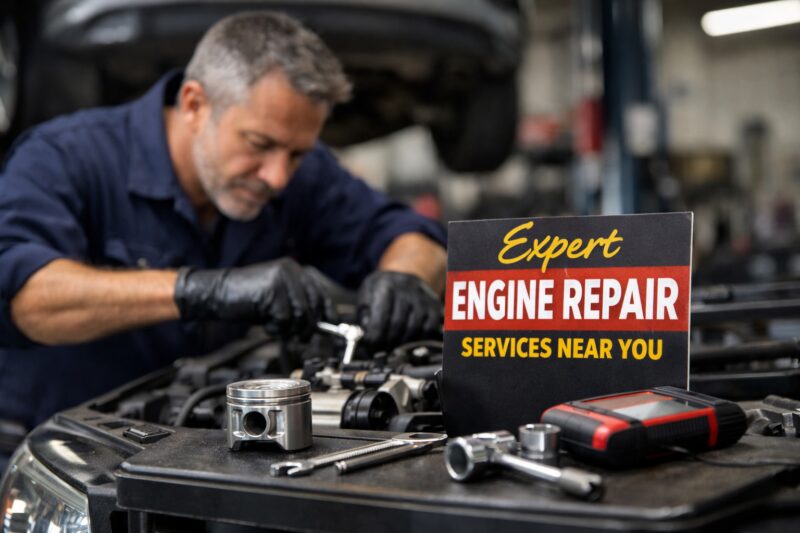
What you should expect in the first visit includes symptom intake, scan tool review, and visual inspection of common failure points. Technicians often verify sensor readings with live data, then cross-check with physical checks such as vacuum integrity, airflow path condition, and basic fuel delivery verification. They should review actuator/system commands too, since control issues can mimic sensor faults.
Tradeoffs exist between dealership, independent shop, and mobile diagnostics. Dealerships may be best when you need manufacturer-specific procedures or calibration work. Independent shops often excel at hands-on testing across multiple brands and offer flexible scheduling. Mobile diagnostics can be helpful for initial code capture, but it should lead to an onsite inspection for mechanical verification.
When you search “near you,” focus on more than distance. Local responsiveness matters because some symptoms worsen quickly, especially heat-related or oil-pressure concerns. A shop should also handle warranty paperwork and offer parts sourcing that matches your preferences, including OEM or high-quality aftermarket. If local parts availability affects diagnostics, ask how they manage the waiting period without extending uncertainty.
A deeper nuance is how some shops oversell engine replacement. They may suggest replacement without proving internal condition. Evidence for major recommendations should include test outcomes such as compression results, leak-down where appropriate, and debris checks during teardown decisions. If they cannot explain what measurements show, request a second opinion before authorizing a large repair.
Finally, ask how they confirm root cause when multiple issues exist. Cars with poor maintenance history can have worn ignition components and contaminated fuel systems at the same time. Expert engine repair services manage complexity by sequencing tests so you pay for findings you can verify.
What a diagnostic-backed engine repair visit should include
A diagnostic-backed engine repair visit should produce clear outputs you can understand. It should connect trouble codes to real engine conditions using scan data, physical checks, and test results. If you only receive a code list, you likely did not get true root-cause diagnosis.
Why this matters is that paying twice is common when diagnostics are rushed. A scan tool can show what the engine noticed, but it does not always show why. For example, a sensor may read wrong because of wiring damage, a loose connector, or contamination affecting fuel quality. A strong diagnostic visit prevents you from replacing parts that do not solve the underlying issue.
How it works starts with code interpretation plus freeze-frame context. Technicians should review when the code triggered, engine load at the time, and related parameters. They should also run actuator and system checks, such as confirming commanded behavior for emissions controls when relevant. Then they verify airflow and vacuum integrity when misfire or rough idle is present.
Practical diagnostics also include fuel pressure checks and fuel quality evaluation. Shops may test for leaks, filter restrictions, or delivery problems that cause lean operation. They should also examine related conditions like oil contamination clues, since sludge can influence oil flow and create repeat failures after repair attempts.
Deeper testing is warranted when symptoms are intermittent or heat-related. Intermittent misfires often need repeat attempts with live data and targeted checks while the issue reproduces. Heat failures can require controlled observation after warm-up, not just cold-start inspection. Symptoms that appear only under load may require road testing so the engine reaches the conditions that trigger the fault.
There is also a difference between scan-code reading and root-cause diagnosis. Reading codes tells you what sensors reported, while root-cause diagnosis confirms the system behavior using test modes and visual evidence. For instance, a wiring or connector issue can cause sensor cross-talk that points to the wrong component. A good shop documents how they ruled out those causes.
Estimate quality matters too. You should receive an itemized labor outline, a parts listing with OEM or aftermarket origin, and a diagnostic fee policy. If the shop credits diagnostic fees toward repair, confirm the details in writing. Also ask about the estimate’s conditional scope so you understand what can change after teardown checks.
An edge case many owners miss is code misdirection caused by wiring or contamination. For example, oil or coolant contamination can affect sensors and produce downstream faults. If a shop skips visual inspection and harness checks, the risk of misdiagnosis rises.
When you find engine repair services that follow a fast accurate repair process, you often see consistent behavior: they test, explain, document, then confirm. That style reduces parts-cannon repairs and increases your odds of a lasting solution.
Common engine symptoms and the repairs shops should match to root causes
Engine symptoms can look straightforward, but the correct fix depends on the root cause. Expert engine repair services treat symptoms as clues that require system matching and verification. This is how you avoid replacing the wrong part and returning for the same problem again.
Rough idle and misfires often involve ignition, fuel, air, or internal compression concerns. A professional should verify spark or ignition system behavior, check fuel delivery stability, and inspect for air leaks. If compression issues are suspected, they should support that conclusion with measurements before recommending internal work.
Overheating symptoms deserve careful cause matching. The cooling system is an obvious starting point, including hoses, radiator condition, fans, thermostat operation, and coolant level. But overheating can also increase combustion heat from internal wear or airflow issues. A shop should confirm engine temperature behavior under real conditions, not just during a brief idle.
Noise patterns can guide diagnostics too, but they require evidence. Ticking may indicate valvetrain concerns or exhaust issues, while knocking often points toward combustion or internal wear. Rattling can come from loose components or timing-related problems. A good shop gathers the noise’s timing and conditions, then checks relevant areas before recommending teardown.
Oil-related warnings also need structured inspection. Low oil pressure signs can signal lubrication system failures, oil pump issues, or oil contamination that affects flow. Sludge and varnish clues can suggest neglect and increased internal friction. A competent shop should confirm oil condition and flow behavior before major engine work.
Performance and starting issues add another layer. Hard starting, stalling, reduced power, and limp mode can share symptoms across multiple systems. Technicians should distinguish electrical causes, air and fuel control behavior, and mechanical constraints. This matters because a throttle control issue or crank sensor problem can mimic engine mechanical failure.
A deeper nuance is that some symptoms are side effects of unrelated systems. For example, a transmission range or throttle behavior concern can affect drivability and make the engine feel “wrong.” A professional still verifies engine health, rather than assuming the engine is at fault based on how the car drives.
Common mistakes include skipping controlled checks and accepting broad quotes without test documentation. Another mistake is ignoring oil changes and maintenance history when they directly affect diagnosis. If you want engine repair services with a strategy, ask what tests they will perform to connect your specific symptoms to measurable outcomes.

Engine repair services vs engine replacement: deciding with confidence
Choosing between engine repair services and engine replacement depends on verified mechanical condition and clear evidence. Repairs are usually best when the failure is localized and the rest of the engine shows healthy wear patterns. Replacement or rebuild may be necessary when internal damage is confirmed.
Why this decision matters is that each option carries risk. Repairs can fail if the root cause was not corrected, such as overheating that damaged a component again. Replacement can also fail if the underlying trigger remains, like contaminated fuel, oil starvation history, or a cooling system that never truly gets fixed. A confident decision requires evidence, not urgency.
How the decision framework works usually starts with diagnosis results and teardown checks when needed. Shops may evaluate compression, observe for metal debris, assess bearing or journal condition, and check oil flow pathways. They may also perform leak-down tests when internal sealing is in question and the evidence supports deeper testing.
Factors that push toward repair include limited wear indicators and repairable components. Examples can include correcting ignition or fuel system failures that cause combustion instability, or fixing valvetrain issues that do not point to extensive internal damage. The shop should explain which parts are involved and how the evidence shows they are the cause.
Factors that push toward rebuild or replacement include major internal damage indicators. If compression results show widespread loss, metal debris is found during teardown decisions, or bearing failures are confirmed, the safer route may be rebuilding or replacement. The shop should also address why the engine failed, so the new solution does not repeat the same failure mode.
Practical risk management includes warranty terms and labor coverage. Ask what happens if symptoms return, and whether they will retest with documented steps. Confirm what is covered, including diagnostic rechecks, and how parts warranties work for the parts used.
An edge case is when a shop recommends replacement immediately without completing a structured teardown plan. Replacement might feel simple, but it can repeat failures if the original cause was something external. If the shop cannot explain what evidence supports replacement, request supporting measurements or a second opinion.
In your decision, insist on understanding the “why,” not just the “what.” This is a major reason many owners choose engine repair services from shops that show their work. It is also where professional documentation protects you when you compare estimates.
Comparing dealership, independent shop, and specialty engine rebuilders
Different providers deliver different strengths for expert engine repair services. Dealerships often focus on manufacturer procedures, independent shops balance broad diagnostics, and specialty engine rebuilders handle internal work with machine-level expertise. The best choice depends on your symptom pattern and how deep the fix needs to go.
Dealerships can be strong when the repair requires manufacturer-specific calibration steps or access to official diagnostics guidance. They may also be helpful when your vehicle is under coverage and you want factory-aligned parts sourcing. However, dealership labor rates can be higher, and appointment availability may limit how quickly you get diagnostic follow-up.
Independent shops often offer practical advantages for many owners. They may have extensive hands-on experience across brands and can explain systems in everyday language. For many cases, an independent provider can deliver excellent diagnosis and the right repair sequence, especially when they focus on evidence rather than quick assumptions.
Specialty engine rebuilders are built for deep internal work. They often excel at assessing internal wear, performing machine work, and deciding what needs machining versus replacement. If your symptoms suggest internal damage, such as confirmed compression loss or bearing-related noise, a specialty pathway can reduce uncertainty because internal expertise is their core skill.
Selection criteria should include technician experience, tooling, and warranty handling. Ask how they source parts and whether they document parts origin. Also ask who is responsible for machine work if the rebuild process involves subcontracting. Clear responsibility matters when troubleshooting continues after disassembly.
Pricing comparisons are not just about total cost. Many shops charge diagnostic fees or apply diagnostic credits toward repair. Labor time estimates can vary based on engine design accessibility, sensor complexity, and the need for teardown confirmation. That is why one-size quotes can be unreliable until a shop checks key components.
Here is a practical decision path. If your issue is primarily electronic control and depends on manufacturer procedures, a dealership may reduce risk. If it needs broad systems testing and transparent root-cause work, an independent shop may be ideal. If internal damage is confirmed or strongly suspected, a specialty engine rebuilder can provide the depth to finish the job correctly.
Edge case: sometimes you need both. An independent shop might run diagnostics and manage external components, while a rebuilder handles machine work. In that scenario, you want written expectations for responsibility so you do not face blame shifting if post-repair symptoms persist.
Common misconceptions and mistakes that cost car owners money
Many expensive engine repair mistakes come from misconceptions about what codes and symptoms actually mean. Expert engine repair services focus on evidence, so they reduce the odds of paying for parts you did not need. If you recognize these pitfalls, you can protect your budget.
A common misconception is that a check engine light points to one specific part. Codes point to what a sensor detected, not always what caused it. A fuel delivery issue can trigger ignition-related codes, and wiring faults can mimic component failure. That is why good shops interpret codes using freeze-frame context and live data checks.
Another misconception is that intermittent issues cannot be diagnosed. In reality, intermittent misfires can often be tracked using patterns from recorded data, visual checks, and targeted tests. Technicians may watch live readings while attempting to reproduce the fault, then confirm the system under the right operating conditions.
A costly mistake is agreeing to partial repairs without confirming root cause. For instance, replacing one sensor may not fix a harness problem or contamination that keeps affecting readings. Another mistake is skipping documentation. If you lack test results and a clear parts and labor breakdown, disputes become harder if symptoms continue.
Deeper nuance involves “parts cannon” behavior. This is when a shop replaces multiple components without a diagnostic strategy or measurable milestones. You may see multiple parts recommended, but no tests showing each replaced item solved the issue. A professional repair plan will describe what changes after each step and what results will confirm progress.
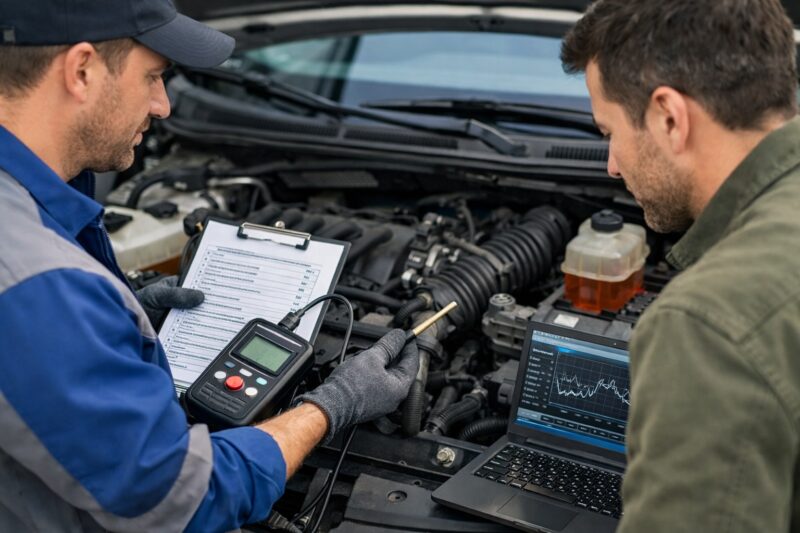
Also watch for estimates that do not describe conditional scope. If a quote assumes a major internal repair without explaining the tests that led there, you may be paying for uncertainty. Ask what must be measured first, and whether the shop can show prior test results that justify teardown.
In real-world scenarios, owners often arrive with a history of repeated part replacements. A good shop breaks the cycle by restarting with root-cause verification, including wiring inspection, sensor validation, fuel checks, and compression testing when warranted. That is how the engine repair services approach becomes predictable and less stressful.
Handling modern engine complexity with electronics and sensors in 2026
Modern engines need more than a basic scan tool to diagnose correctly. Electronics, sensors, and software-controlled systems interact, so root-cause diagnosis must reflect real operating conditions. In 2026, the best shops combine scan data with live verification and updated diagnostic procedures.
Why this matters is that many engine faults show up as system disagreements. Fuel trims can shift due to airflow leaks, ignition instability can affect emissions-related monitoring, and sensor cross-talk can create misleading code patterns. When you skip the electronics layer, you risk replacing mechanical parts to fix what is actually a control issue.
How it works starts with manufacturer-calibrated diagnostic approaches. Technicians check whether the vehicle requires updated calibrations or learned values to match new repairs. They also verify the sensor inputs and outputs during operation, then confirm commanded actuator behavior when possible. This helps ensure repairs do not only “clear codes,” but also restore correct system function.
Sensor-system interactions require careful interpretation. Crank and cam correlation checks can help confirm timing-related concerns. Fuel system checks help determine whether lean or rich operation is caused by delivery problems or control issues. Evap and airflow systems can create codes that seem unrelated until you connect the monitoring logic to real drive conditions.
Road testing and controlled testing matter for accuracy. Shops need to reproduce the fault under load and after temperature stabilization. They should document what changed after repair, using live data and readiness checks where applicable. This is also where a competent shop proves the engine is repaired, not just reset.
Documentation helps you avoid confusion after the work. Ask what values should normalize and whether any codes remain. A responsible shop explains how to interpret remaining codes, especially if they are from monitors that still need completion after repair.
An objection owners sometimes raise is fear of “reprogramming” risk. A good shop confirms eligibility and handles backup and restore steps before calibration work when required. They also revalidate that the vehicle operates correctly afterward using live data and standard diagnostic checks.
Practical application: when a shop can explain the diagnostic logic in plain language, you can trust the repair plan. If they can also show how they will verify repair completion, you are less likely to experience repeat failures and unnecessary follow-up costs.
Questions about expert engine repair services near you
What should I ask during my first call to a local engine repair shop?
Ask how they diagnose before quoting repairs and whether they review live data from the scan tool, not just stored codes. Inquire about diagnostic fees, and whether the fee is credited if you approve repairs. Also ask what warranty covers the work, including return-to-labor terms if the symptom comes back.
How do I know if the shop’s “diagnosis” is more than a quick scan?
Look for mention of freeze-frame context, live data review, and targeted actuator or system checks. A strong diagnosis also includes visual inspection and ruling out wiring, connectors, and related causes. Before major disassembly, the shop should explain what tests support each recommendation.
Can engine repair services fix an intermittent misfire, or is it always a guess?
Engine repair services can address intermittent misfires when the shop uses a strategy to reproduce the fault and compare sensor readings to expected behavior. Technicians often use live data while recreating the driving conditions that trigger the misfire. They may also inspect connectors and look for pattern-based clues from the recorded data.
Is it better to repair my engine or replace it if the engine is damaged internally?
It depends on verified internal condition and the root cause that caused the damage. If compression and teardown checks show limited localized wear, repair or rebuild may be sufficient. If testing shows widespread mechanical damage, replacement or full rebuild may reduce the chance of repeat failure, especially if the trigger is corrected.
What does a strong estimate for engine work typically include?
A strong estimate is itemized and explains the diagnostic assumptions behind the work. It lists parts with origin and quality level, such as OEM or aftermarket, and it describes which parts or systems are included. It should also note what may change after teardown checks.
Will OEM parts or high-quality aftermarket parts change the outcome?
They can affect fit consistency and warranty coverage, but the outcome mostly depends on correct diagnosis and proper installation. OEM parts may match factory specifications more closely, which can help when software or calibration sensitivity matters. If aftermarket parts are used, ask about documentation and what the warranty covers.
What warranty should I expect after engine repair, and what is actually covered?
Many shops offer a warranty that covers parts and labor for a set time or mileage, but exact terms vary. Ask whether diagnostic rechecks are included if symptoms return and whether labor is covered for related follow-up. Also confirm any exclusions tied to contamination, reused parts, or customer-caused issues.
How long should engine repair take for common problems?
Timing varies with diagnosis complexity, parts availability, and whether teardown verification is required. Some external issues can be addressed quickly, while internal work often needs additional inspection and machine scheduling. A realistic expectation is that basic diagnostics may take days, and major internal repairs can take longer depending on parts and confirmation steps.
Could a transmission issue trigger symptoms that look like engine failure?
Yes. Symptoms like stalling, reduced power, or harsh behavior can overlap between engine management and transmission control. A good shop checks related conditions and verifies engine behavior rather than assuming the engine is the only source. They may also confirm whether throttle and control signals align with expected operation.
Do I need to bring my vehicle in for diagnosis even if I already have trouble codes?
Codes alone rarely provide the full root cause. Live data, freeze-frame context, visual inspection, and system testing often determine what actually failed. A shop should verify why the code triggered and whether the cause matches the symptoms you feel.
How should I handle a quote that recommends engine replacement immediately?
Request supporting evidence before approving replacement. Ask what tests confirm internal damage and whether teardown checks or compression/leak-down results support the recommendation. If the evidence is thin, consider a second opinion or ask whether a rebuild path is possible after confirming the true condition.
Conclusion: get expert results by demanding evidence, not guesses
Finding expert engine repair services near you means choosing a shop that uses a diagnosis-led approach with documented test results. You want engine repair services that connect your symptoms to measurable outcomes and explain the repair plan in clear steps. That is how you avoid parts-cannon repairs and costly repeat problems.
Use your reliable shop selection checklist to compare providers on three things: evidence quality, estimate transparency, and warranty terms. Ask for a written diagnostic plan, request the test results you will rely on, and confirm what happens if symptoms persist after repair. If you need deeper mechanical work, consider whether a trusted off-road repair shop or specialty engine rebuilder better matches the problem scope.
When you call, focus on getting a clear process like a fast accurate repair process with measurable milestones. Then, once you approve work, treat engine repair related services as a full system effort that corrects the real trigger. Request the quote details, ask how they verify repair completion, and schedule your diagnosis when the vehicle is safe to assess.
Updated September 2026