If your car is making new noise, leaking fluids, showing warning lights, or feels weaker after a bad day of driving, you do not have to guess. In Waldport, Oregon, drivers searching for Auto Repair Waldport Oregon need a shop that diagnoses first and explains clearly, not one that swaps parts and hopes.
NRT Offroad Performance serves Oregon drivers with professional auto repair diagnostics and repairs, plus off-road performance service for vehicles used on both roads and trails. For coastal conditions around Waldport, this matters because wet weather and salt exposure can create deceptive symptoms, especially in electrical and underbody systems. You will get a guided process that starts with symptom intake, continues through targeted testing, and ends with a repair plan you can approve with confidence.
As you prepare for an appointment, plan to share what you notice, when it happens, and any recent driving changes. A trusted auto service experience also means clear expectations for cost, realistic timelines, and quality checks before you drive away.
Auto repair is trustworthy when it starts with a diagnostic plan
A trusted auto service visit should reduce guesswork, not increase it. The goal is to confirm the problem your car is signaling, then match that evidence to the most likely systems causing it.
In practice, the diagnostic plan begins with what you report. A technician listens for patterns, checks when the issue started, and notes how it behaves under braking, acceleration, or bumps. Next, a visual inspection looks for clues like loose connectors, damaged hoses, worn brake components, and fresh fluid trails.
Then the process often includes system checks with scan tools when warning lights appear. Many modern vehicles store error codes that point to a subsystem, but codes still require interpretation. Targeted tests may follow, such as pressure and temperature checks, voltage checks for charging problems, or a careful road-and-suspension evaluation.
This approach matters because coastal driving can create misleading symptoms. Moisture and corrosion can cause intermittent sensor behavior or temporarily trigger warnings. If a shop skips thorough checks, you may get a “fixed” symptom that returns after the next wet drive.
For off-road and dual-surface vehicles, the diagnostic plan also considers how wear patterns form from rough surfaces. Vibration, handling changes, and drivetrain stress can mimic other issues. A common mistake is replacing what looks related instead of testing what is actually causing the fault.
Engine, cooling, brakes, and electrical fixes are built around root-cause testing
Drivers typically bring cars to be repaired because performance drops, safety feels uncertain, or a warning light appears. The repair should address the root cause, not just the most obvious symptom.
For engine performance issues, technicians verify fuel, air, ignition, and sensor inputs before recommending parts. Hesitation, rough running, and reduced acceleration can come from multiple sources. Sometimes the fix is a clogged component, but other times it is an electrical problem that affects how the engine controls operate.
Cooling problems follow a similar logic. Overheating can involve the thermostat, radiator flow, coolant condition, or a fan control issue. If a shop refills coolant without checking the cause, the system can struggle again, especially with coastal temperature swings and frequent wet driving.
Brakes require extra care because they affect stopping distance and control. A diagnosis may include checking for uneven pad or rotor wear, air or fluid issues, and signs of caliper sticking. For vibration and noise, a trusted shop verifies whether it is brake-related, tire-related, or suspension-related before parts are replaced.
Electrical and charging issues often show up through starting problems and dashboard warnings. A battery test alone may not be enough if the alternator output or wiring connections are the real issue. Also, corrosion near connectors can create intermittent signals that a scan tool captures only under the right conditions.
These systems connect to each other, so skipping related checks can create repeat visits. A real-world scenario is a vehicle that “needs a battery,” but the deeper cause is a charging circuit fault. Another nuance is priority: if the symptom can cause damage quickly, the plan should address it first.
Leaking fluids and corrosion risks need inspection priorities that fit the coast
Recurring leaks usually come from a specific source, and coastal conditions make that harder to spot. The right inspection focuses on where corrosion and moisture commonly damage lines, seals, and fasteners.
In Waldport, Oregon, wet weather and salty air can raise corrosion risk around underbody components. A trusted inspection should examine the underside and look for signs of seepage, cracking, or abrasion along hoses and seals. It should also check brake lines and fuel lines visually, because small leaks can worsen over time.
A shop that documents the difference between surface rust and structural concern helps you understand risk. That distinction matters when choosing repair scope. If the shop finds only surface corrosion, you may be dealing with a cleaning and protective treatment plan. If structural parts show pitting or weakening, the repair needs to be more immediate.
Practical application matters for repeat repairs. Some vehicles look “fine” until the next wet drive, then the electrical issue returns. In those cases, a technician may clean and re-check connections, inspect for water intrusion pathways, and verify sensor readings under realistic conditions.
A common mistake is treating every fluid spot the same. Oil, coolant, power steering fluid, and transmission fluid each have different sources. A careful identification helps avoid replacing a part that is not related.
For dual-surface drivers, trail exposure can trap moisture and grime on components. That can accelerate corrosion and affect connector reliability. An underbody-focused inspection can therefore prevent a problem that would otherwise “mysteriously” return.
You can avoid surprises with a clear repair approval and pricing process
A dependable repair journey keeps communication clear from diagnosis to pickup. You should know what the shop found, what it recommends, and what it costs before any major work begins.
In a typical workflow, you start with a call or message that explains symptoms and vehicle details like make, model, year, and mileage. Next, the shop performs the intake inspection and begins targeted diagnosis. After that, you receive findings and a repair plan that shows what will be replaced and why.
Pricing expectations should be managed through written estimates and approval steps. Factors that change final cost can include parts availability, additional findings discovered during tear-down, and the labor time required for careful repairs. The trusted approach is to explain those factors before work expands.
Timelines depend on severity, diagnostic complexity, and whether parts must be ordered. It also depends on how quickly a shop can schedule a diagnostic slot and complete verification testing. If a repair plan changes, a good shop explains what changed and why, then seeks approval for the next step.
This matters because “diagnostic results may change the plan” is normal in real repair work. However, the customer should still have control. That is where clear authorization helps you decide with real information, not pressure.
One practical tip is to bring your symptom details in a structured way. If you forget what the car was doing when the warning light appeared, diagnostics can take longer. That is one reason a quick checklist before booking can save time and reduce unnecessary testing.
Dual-surface needs for Oregon driving should shape the way you repair and inspect
Road-and-trail vehicles often need more than basic replacement parts. Repairs should also account for how the vehicle is used and how wear patterns form over time.
For off-road performance needs, technicians may inspect suspension and handling components as part of a repair. That can include checking bushings, ball joints, alignment-related wear, and any vibration sources. It can also include evaluating drivetrain performance when fluid condition and load history matter.
Coastal wet weather can magnify those wear patterns. Rough roads and trail use can stress suspension components, then moisture and salt can accelerate corrosion where metal meets metal. Tire wear patterns may also change, which can affect traction and steering feel.
Because of that, a repair should verify what is safe for daily driving. A trusted shop sets boundaries between performance setup and safety repair. If handling instability could put you at risk, safety repairs come first, even if you want off-road improvements later.
An edge case is vibration after driving on mixed surfaces. It may look like an engine issue, but it can stem from tire damage, wheel balance, or worn suspension parts. Proper diagnosis prevents unnecessary part swaps and reduces repeat labor.
In many cases, NRT Offroad Performance works as the guide for both repair and performance-adjacent needs. That means the plan can address durability for wet-coast conditions while still supporting how you drive on trails.
Common mistakes that lead to repeat repairs are easier to prevent than you think
Repeat repairs often come from misunderstandings, not from bad luck. Most of the time, they are caused by rushed decisions or incomplete symptom information.
A common misconception is “if there is a warning light, replacing the part will fix it.” Warning lights are a signal, not a diagnosis. Codes point to systems, but the system still needs testing. Corrosion and moisture can also trigger misleading signals that only appear after the vehicle gets wet.
Another mistake is assuming all leaks are the same. A shop should identify whether a leak is oil, coolant, or another fluid, and whether it is seepage or a pressurized failure. The repair scope changes based on the source, and the wrong scope can lead to the same leak returning.
Brake-related concerns also deserve urgency. Delaying a vibration, pulling, or pedal feel change can increase damage risk. A trusted shop helps you decide what must be addressed immediately versus what can be scheduled with less urgency.
For coastal and dual-surface drivers, corrosion and underbody wear deserve consistent attention. Drivers sometimes overlook what a wet trip can do to connectors, lines, and protective coatings. Then the problem reappears after the next season of salt spray.
Finally, symptom context matters. If you only describe “a noise,” it can lengthen diagnostics. However, if you share when it happens, such as during turns or after rough pavement, the diagnosis can narrow quickly.
Choosing a repair path that fits urgency, budget, and your vehicle goals
The best repair path matches the problem’s severity and your priorities. It should also respect your budget and your goals for how the vehicle should feel and perform.
Some issues demand priority repair. Brakes that feel weak, overheating conditions, or major electrical faults can affect safe drivability. In these cases, a trusted shop focuses on safety-critical repairs first, then addresses less urgent needs afterward.
When problems overlap, combining related services can prevent repeat labor. For example, a cooling concern might connect to a hose, thermostat, or radiator-related issue. A maintenance and repair combo can be more efficient than separate visits when the work is truly connected.
If symptoms are intermittent or complex, a diagnostic-focused visit may be the best starting point. This helps prevent large parts swaps based on assumptions. It also gives you a clear repair plan based on evidence.
When parts are needed, your shop should explain quality choices and fitment. You can ask how OEM and aftermarket equivalents compare for durability and warranty support. A trusted shop also checks that the replacement parts match the repair objective.
Here is the practical tradeoff. A cheaper option can cost more later if it does not solve the root cause. A good consultation explains those risks clearly and offers a recommendation you can understand.
For dual-surface owners, the “vehicle goals” part matters too. NRT can support a plan that keeps road safety solid while preparing the vehicle for the way you drive outside town.
After an accident, inspection should include damage you cannot see at first
After a crash, you should get an inspection even if the car seems drivable. Small changes can affect alignment, sensor readings, and safety systems.
A trusted post-accident workflow begins with a safety assessment and a careful visual check. Technicians look at steering and suspension components, underbody damage, and signs of fluid loss. They also check cooling system impacts and any electrical connectors that may have shifted.
Next, a diagnostic scan helps uncover error codes that might not show up through obvious drivability issues. Some sensors relate to airbags, stability control, or braking systems. If a warning appears later, it can be harder to trace without baseline scan results.
In many cases, a road test and handling verification is appropriate. The goal is to check pull, vibration, and steering feel that can indicate alignment changes or hidden component stress. These effects can feel minor at first, then worsen as you drive on wet roads.
Coastal conditions add another layer. Damaged underbody components can accelerate corrosion in salt spray. That means early repair verification can also protect long-term reliability.
When you bring your vehicle in, share accident details like date and impact type. If you have photos, bring them too. Also note any warnings that appeared after the incident.
Trusted auto service booking with NRT Offroad Performance in Oregon
You can book confidently when the appointment process is clear. A good shop asks the right questions before the vehicle even arrives.
Start with a quick checklist before booking. Write down the symptoms, when they happen, and any warning lights. Also note any recent maintenance, tire changes, or off-road trips. For noise and vibration, include when it occurs, such as at a certain speed or only during turns.
When you contact NRT Offroad Performance, be ready with your vehicle information. Make, model, year, and mileage help the initial intake become more accurate. If possible, share VIN, but it is optional for first conversations in many cases.
You can also ask what to expect during the diagnostic appointment. Request an estimate/authorization approach so you approve diagnostic time before work begins. Then ask for a repair authorization step before parts and labor are committed.
what to ask before paying is simple and worth repeating. Ask for the inspection findings, the root-cause explanation, and what testing confirms the fix. Also ask how warranty coverage applies to repairs. engine repair warranty details can matter when work involves internal components or extended labor time.
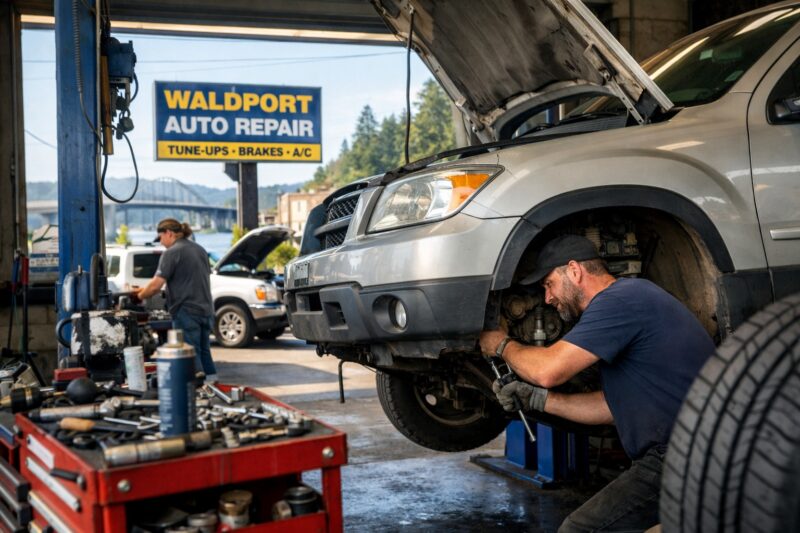
NRT Offroad Performance operates from 41175 Cole School Road SE, Stayton, Oregon. Customers in Waldport, Oregon typically schedule service for a time that fits their day, then bring the vehicle in for evaluation during business hours.
Oregon Coast auto checks should prioritize brakes, fluids, and corrosion control
Waldport driving changes what you should inspect and when. Wet roads affect brake feel and tire wear, while salt exposure increases corrosion risk.
For brake and suspension wear, pay attention to uneven rotor wear, noise that appears after rain, and vibration during wet stops. If your steering feels less stable on slick roads, the root cause may involve suspension wear, alignment drift, or tire condition. A good diagnostic ties symptoms to measurable wear instead of guessing.
Fluid condition checks also matter in damp conditions. Moisture can make small leaks more noticeable, and it can also hide them by washing away residue. That is why leak detection should include both visual inspection and system testing when needed.
Rust and corrosion evaluation should focus on lines, fasteners, and mounting points. A trusted shop documents what is surface-level and what risks structural strength. When repairs address corrosion early, you reduce the chance of escalating failures later in harsh weather weeks.
A customer in Waldport might notice a warning light after a storm, then it disappears for a day. That pattern often points to moisture-related connector behavior or sensor interference. In that situation, the right step is a diagnostic plan that reproduces the conditions as closely as possible.
Meanwhile, dual-surface driving can add underbody stress. Mud and spray can trap moisture, which increases corrosion and makes connectors more sensitive. This is where a combined repair and off-road performance perspective can help.
When you need reliable Auto Repair Waldport Oregon, it helps to choose a shop that can handle more than just basic maintenance. From engine diagnostics to routine inspections, you want workmanship you can count on and guidance that keeps your vehicle running safely on Oregon roads.
If you’re noticing vibration, pulling, or uneven tire wear, look for service that includes suspension and steering repair. Getting those components checked early can prevent bigger problems later, and that’s the same mindset behind the questions we’ll answer in the FAQ section.
Frequently asked questions about auto repair in Waldport, Oregon
How much does auto repair cost in Waldport, Oregon for diagnostics and common fixes?
Auto Repair Waldport Oregon pricing varies based on inspection time, parts cost, and labor complexity. Diagnostic fees depend on how many systems must be tested and whether scan data and road testing are required. For accurate budgeting, request a written estimate before repairs start, and ask what could change if additional findings appear.
How fast can I get a repair in Waldport, Oregon if warning lights come on?
Turnaround depends on severity, safety risk, and parts availability. If the warning relates to a safety system, a shop may prioritize diagnostics sooner. For scheduling, ask about the earliest diagnostic slot and whether the shop can confirm parts needed before ordering.
What should I bring when I call NRT Offroad Performance about a noise or vibration?
Bring details about when the noise occurs and the driving conditions. Mention vehicle speed, whether it happens during braking or turns, and any dashboard messages. Also share any recent work you had done and how much road versus trail driving you do.
Why do warning light codes require more than replacing a single part?
Codes point to a system, but they do not always identify the exact component that failed. A trusted shop tests the system inputs and related wiring or sensors. Wet-weather corrosion can also cause intermittent signals, which means a one-part guess can miss the real cause.
Can wet coastal weather cause leaks or electrical problems that keep returning?
Yes. Moisture and salt exposure can affect connectors, seals, and underbody components. If the source is not found and fixed, the same warning or leak can return after rain.
Do you handle off-road performance repairs for road-and-trail vehicles?
NRT Offroad Performance supports repair and inspection needs for dual-surface vehicles. That includes performance-adjacent diagnostic work like handling and drivetrain checks that affect daily safety. Customers can also discuss underbody protection priorities after wet-coast exposure and trail use.
What if the first diagnosis does not find the problem right away?
Sometimes intermittent faults require step-by-step re-checks. A shop may run additional tests, re-check related components, or confirm results after specific driving conditions. The shop should explain what changed and get your approval before continuing additional labor.
How do you decide whether an issue is urgent or safe to monitor?
Urgency usually depends on safety impact and potential for damage. Braking issues, overheating, or major electrical faults typically need faster attention. Less urgent items, like certain intermittent noises, may be scheduled after diagnostics confirm no immediate risk.
After an accident, is it necessary to get the car scanned even if it seems drivable?
Yes, scanning can reveal error codes and sensor faults that may not affect drivability right away. A post-accident inspection also checks alignment and underbody damage that can cause warning lights later. Even if the vehicle drives, diagnostics can help verify safety systems.
What is the best way to avoid a rushed repair that leads to repeat visits?
Provide clear symptom details, approve diagnostic time when needed, and ask what testing confirms the root cause. Request a repair plan with written estimates and clear approval steps. That process helps prevent incomplete repairs and reduces the chance of repeated labor.
Choose a trusted process that turns diagnostics into safe, reliable repairs
Trusted auto service in Waldport, Oregon means a consistent path: symptom intake, a diagnostic plan, clear recommendations, approved repairs, then verification before pickup. When the process is documented, you get transparency instead of guesswork.
Coastal driving adds real challenges like wet-weather braking feel, corrosion risk, and moisture-related sensor behavior. That is why inspections should emphasize brakes, fluids, underbody condition, and electrical reliability. It also means dual-surface vehicles need attention to suspension and drivetrain wear patterns from mixed road and trail use.
To book, contact NRT Offroad Performance and request a diagnostic appointment. Bring symptom details and any warning lights you have noticed. When you schedule, ask for a clear estimate approach and what to ask before paying so you understand the plan before any work begins.
The next step is simple: schedule an appointment with NRT Offroad Performance and bring symptom details so diagnostics can start quickly.
Updated November 2026