If you need trustworthy diagnostics and repairs, the quickest path is to choose an auto shop that can explain tests, verify results, and document the work. Drivers searching for Auto Repair Mount Angel Oregon often want help with check-engine lights, drivability issues, and routine service that actually prevents breakdowns. In practice, “diagnostics + maintenance + repair” means inspection, fault code review, targeted testing to confirm the root cause, a clear estimate, then verified repair work. When you compare shops using the same checklist, you avoid guesswork and repeat visits. This guide focuses on decision criteria you can use during your call, not just general tips. It also ties the process to Mount Angel, Oregon’s cool, wet winters and the real-world issues that show up on Willamette Valley roads.
Choose the right repair lane for your vehicle in Mount Angel, Oregon
Start by matching your symptom to the right type of shop service, because the workflow changes with the problem. A scheduled maintenance visit is not the same as a warning-light repair. If you drive in and out of rain and puddles, moisture-related faults can also behave differently than a steady mechanical failure.
Modern diagnostic work usually begins with symptom intake, then a scan or visual inspection. Next, the technician checks data live, not only the stored codes. After that, they run targeted tests to confirm the cause. Finally, they verify the fix with re-testing tied to the original complaint.
This is where “scan only” versus “diagnose and verify” matters. A scan can show a code, but it cannot prove the cause by itself. For example, a sensor code can appear after a short circuit or after corrosion starts under a connector. Therefore, a good shop tests the system end-to-end, then confirms the issue is gone.
In Mount Angel, Oregon, cool, wet winters can increase exposure to road grime and moisture. That can affect underbody components, rubber seals, and electrical connectors. It can also worsen small issues that look fine on a dry day. As a result, the shop may need to observe the vehicle and re-test under similar conditions.
One common edge case is an intermittent fault that shows up only during heat or rain cycles. The code might store, then clear after a driving pattern change. A weaker approach is to replace the “first likely part” without verification. A stronger approach is to confirm by testing and then repeat the check after the repair.
Select an auto repair shop serving Mount Angel, Oregon using a decision checklist
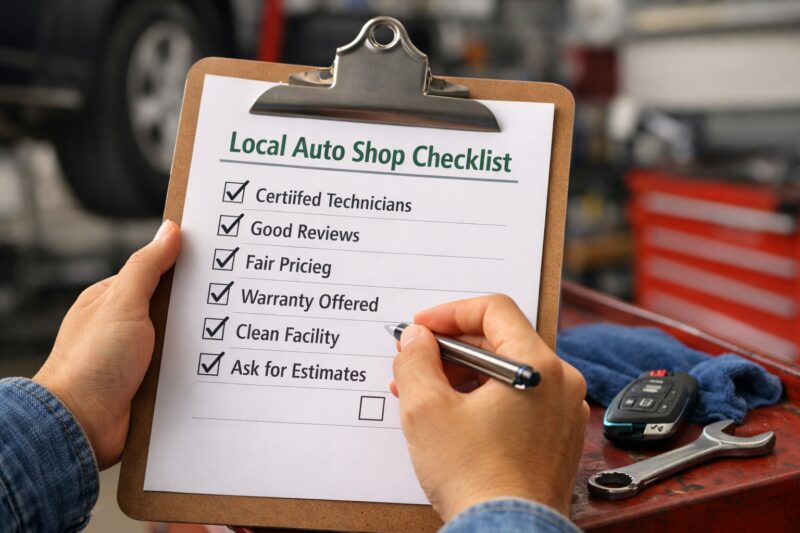
Picking the right shop is easier when you verify the same items every time. Use a Local auto shop checklist mindset when you call, so you can compare shops on the same criteria. This prevents you from basing your decision only on price or speed.
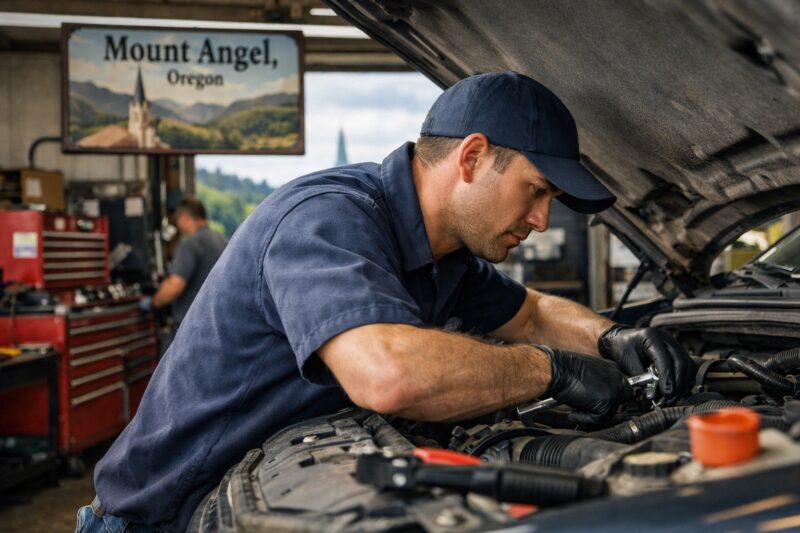
First, confirm the shop works with your vehicle type and year. Then ask how they plan to diagnose the problem you describe. A clear answer should include the test steps and the decision points if findings change. If a shop can explain how they will verify the repair, that is a strong sign.
Next, ask for an estimate that separates diagnosis time, parts, and labor. Make sure the shop will get your approval before extra work. Written scope helps because it sets boundaries when the job expands. In addition, a shop should be honest about uncertainty if the symptom is intermittent.
For trust signals, look for documentation and a written quote process. Many customers benefit from Fair quote fast steps that outline what is included. For example, the quote should state what parts are assumed, what labor covers, and what verification will occur after repair. If the shop cannot describe those items, ask more questions before authorizing work.
One failure mode is a vague diagnosis with pressure for immediate approval. Another is unclear troubleshooting steps, especially when the code alone drives the repair. If they will not discuss alternatives or risks, you may end up paying for parts while the cause remains. Also, avoid “reset-and-hope” behavior where codes are cleared without finding the cause.
Know what to ask at your appointment for better diagnostics near Mount Angel
Bring specifics to your appointment so the technician can diagnose faster and more accurately. A good conversation improves test targeting and reduces wasted labor. For Auto Repair Mount Angel Oregon needs, the goal is to connect your symptom to likely systems without guessing.
Start with a symptom timeline. Tell the shop when it began, whether it is getting worse, and what changed right before it started. Next, describe when it happens, such as cold start, acceleration, braking, or idle. Then note weather exposure, like wet roads or dry conditions.
Details that help most include exact warning messages and whether the issue occurs in rain versus dry driving. Also share driving cues such as highway versus short trips. If the problem involves fuel smell or fuel use, mention changes in consumption and whether it happens during refueling or after.
Bring documentation if you have it. Prior invoices show what was replaced and what tests were already done. Photos of leaks can speed inspection and help the technician locate the source. You should also bring any sensor readouts or notes about maintenance dates.
Local logistics matter in the Willamette Valley. In the rainy-season demand shift, scheduling can tighten for urgent drivability complaints. Therefore, call early and share your key symptoms so the shop can triage correctly. In some cases, a staged diagnostic plan makes sense, like safety-first checks before deeper testing.
You can also agree on a cost cap or decision threshold before work expands. For example, the shop might confirm safety items first, then get approval for deeper cause tracing. That keeps the process controlled and helps prevent scope surprises.
Mount Angel, Oregon driving conditions that commonly affect repairs
Mount Angel sits in the Willamette Valley, and cool, wet winters influence what fails and how it fails. Moisture and road grime can get into connectors, boots, and seals. They can also speed up corrosion on exposed metal parts.
Because weather changes quickly in the region, issues may appear only during certain trips. For example, a connector may act up after a wet driveway or after a long drive through rain. Then it can act normal later. This pattern is why shops should not assume a stored code proves a single part is bad.
In addition, rubber components often age faster when exposed to repeated wet-cold cycles. Underbody components can also collect grime that changes airflow and sensor performance. Over time, this can create false signals or reduce stability readings.
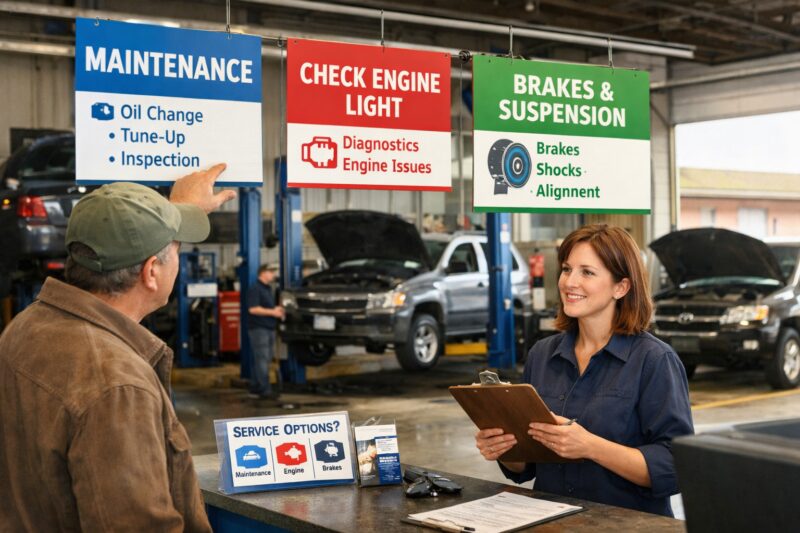
A customer often notices this difference while driving routes into nearby towns like Silverton, Woodburn, Canby, and Salem. The commute includes wet-road segments in winter, and the return trip may show a different behavior. As a result, the technician should test under conditions that match your real driving.
In summer, some regions experience dust or smoke days depending on conditions. That can contribute to cabin air complaints, and it can also affect airflow-related components. However, a good diagnostic approach separates “air quality” effects from mechanical problems that cause warning lights.
One nuance is access during rain periods. Wet roads can make road tests harder or less representative. Therefore, a shop may begin with inspection and on-bench checks first, then plan verification later when conditions align with the symptom.
Compare repair options to reduce surprises without choosing the wrong fix
Cost surprises happen when the estimate assumptions differ from the actual diagnostic scope. To avoid that, compare options based on what they control and what they confirm. This is especially important when symptoms suggest multiple possible causes.
First, understand part quality categories. Manufacturer or OEM-equivalent parts usually aim for the original fit and function. Aftermarket parts may be fine, but you should confirm warranty terms and fitment expectations. In some cases, the best choice is the option that matches the vehicle’s design and the failure mode.
Second, compare repair style. A “parts first” approach can be cheaper upfront, but it can increase repeat labor if the root cause is missed. A “diagnose first” approach costs more at the start, yet it often reduces back-and-forth repairs. Therefore, ask which approach the shop is using and why.
Third, look for scope clarity. A credible estimate should state testing steps, expected labor time, and what will be verified after repair. If the shop cannot describe those items, you may end up authorizing multiple parts without confirmation.
Tradeoffs come up when one failed component creates several symptoms. In those situations, the correct fix may require testing related systems in sequence. Otherwise, you can end up paying for overlapping repairs. A good shop isolates the cause before expanding the job.
Prevent repeat problems by insisting on verification and documented results
Verification is what turns a repair from a guess into a proven outcome. After work is complete, the technician should show that the symptom is resolved. They should also provide results tied to the original complaint.
In real diagnostic workflows, verification can include test results, a road test under conditions similar to when you saw the issue, and re-scanning to confirm readiness. It can also include measurements when relevant. For example, the shop should confirm sensor readings match expected behavior, not only clear a code.
Documentation matters because it creates a baseline for next time. You want to know what the shop found first, what changed after the repair, and what parts were installed. If results do not match expectations, documented work makes re-checking faster.
Mount Angel’s moisture can create repeat-issue patterns. Connector moisture intrusion can cause intermittent faults that return after driving on wet roads. Intermittent sensor faults also need verification runs that match your weather exposure. Fluid leak re-checks matter too, because a repair can seal once, then loosen again with vibration.
Warranties should be discussed in practical terms. Ask what is covered, what triggers a recheck, and how you should report symptoms if they return. Also, if the issue is intermittent, the shop should explain how they will reproduce it or how they will follow up.
A key nuance is correlated versus causal findings. A technician might see two issues at once, but only one may cause the symptoms. Assuming one part is the cause without verification can create a frustrating repeat cycle. Therefore, insist on test evidence that ties to the symptom you reported.
Common mistakes that drive unnecessary costs in auto repair near Mount Angel
People often spend more because they authorize work before the cause is confirmed. They also compare quotes that do not include the same diagnosis scope. When that happens, you may pay for parts without fixing the problem.
Another mistake is approving multiple parts at once without isolating the cause. If the shop replaces several components based on codes alone, you may remove the wrong suspect first. Then the real cause can remain hidden, and symptoms can return quickly.
Under-sharing context is also common. If you saw the symptom only on wet roads, say so. If it shows up after a cold start, describe that too. Weather patterns and driving habits shape the diagnostic path, especially for intermittent faults.
Comparing estimates also needs care. Two quotes may list similar parts, but the diagnostic time and verification steps may differ. One shop might include re-testing after repair, while another may just clear codes. That is a major difference in risk.
Finally, the “reset-and-hope” misconception can lead to repeat visits. Clearing codes can temporarily hide the issue. However, it does not resolve root cause, especially if moisture or wiring concerns return under similar conditions.
Frequently asked questions about auto repair in Mount Angel, Oregon
How much does auto repair typically cost in Mount Angel, OR?
Auto repair cost varies based on the diagnostic time, the parts quality you choose, and how much labor is required to verify the fix. In many cases, the biggest swing factor is whether the shop can confirm the root cause in one diagnostic pass. If the symptom is intermittent, expect time for re-testing under similar conditions. For an accurate number, ask for a written estimate after the shop reviews your symptoms and inspection results.
How fast can I get vehicle diagnostics in Mount Angel?
Turnaround depends on appointment availability and how urgent the safety risk is. Many shops can schedule basic inspections within a few days, but rainy-season demand can extend wait times. If the issue affects safe driving, call ahead and ask for triage instructions. If you can, bring your warning messages and symptom timeline to speed diagnosis.
What information should I bring for a check engine light in Mount Angel, Oregon?
Bring the exact dashboard message and note when it first appeared. Also share whether the vehicle drives normally, misfires, idles poorly, or stalls. If you have repair history, include invoices or notes on what was replaced before. Weather exposure matters too, so tell the shop when it occurs on wet roads versus dry driving.
Can you diagnose a problem that happens only in the rain or during wet roads?
Yes, but it often requires a careful troubleshooting plan that matches your conditions. The technician may inspect connectors and wiring for moisture exposure, then re-test using simulated or real wet-road conditions. If the fault is intermittent, follow-up observation may be needed. Ask how the shop plans to verify the repair beyond clearing codes.
What’s the difference between routine maintenance and diagnostic repairs?
Routine maintenance follows scheduled intervals like oil changes, filters, and service checks. Diagnostic repairs respond to a specific symptom, warning light, or performance issue that needs root-cause testing. Maintenance focuses on prevention, while diagnostics focus on confirmation. If you’re budgeting, it helps to ask which category your issue fits and why.
In most cases, yes, especially for warning lights or drivability complaints. An inspection helps the shop confirm what systems are involved before replacing parts. For safety-related issues, an inspection also helps prevent you from authorizing work that does not address the core risk. Align expectations by asking what the inspection includes and what approvals come next.
What questions should I ask before approving a repair estimate?
Ask what tests the shop will run, what parts and labor are included, and how they will verify the fix. Also ask what happens if new findings appear during diagnostics. If the symptom is intermittent, ask how they plan to confirm it is resolved. Request a written estimate that separates diagnosis, parts, and labor categories.
Why do estimates sometimes change after diagnostics start?
Estimates can change when inspection reveals additional issues not visible at first glance. Deeper testing can also show that the original cause is different than what seemed likely from a code alone. Shops should communicate changes before doing extra work. The best approach includes approval steps tied to the updated findings.
How do I choose between OEM-equivalent and aftermarket parts for my car?
Choose based on fit, warranty terms, and your vehicle’s reliability needs. OEM-equivalent parts usually match original design intent, while aftermarket parts vary by manufacturer. Ask the shop what part quality they recommend for your specific failure mode. Also confirm return or warranty expectations if the issue does not resolve as expected.
Are older vehicles more prone to repeat issues after repairs?
Older vehicles can have more contributing wear, so a single fix may not address every underlying factor. Repeat issues often come from intermittent faults, moisture exposure, or related components that also need verification. A shop should document findings and verify the repair with test evidence. If you have prior repairs, share them so the diagnosis considers the full history.
Choosing Auto Repair Mount Angel Oregon comes down to a clear decision path: match your symptom to the right service lane, choose a shop based on diagnostic and verification standards, and approve work with a written scope and documentation. Mount Angel, Oregon’s cool, wet winters mean moisture-related issues and intermittent behavior can change what tests are needed. When you call, be ready to describe symptoms, warning lights, timeline, and any prior repairs. Then ask for like-for-like estimates that include diagnosis scope and verification steps.
If you want a fast start, prepare your list of symptoms, warning lights, when they began, and any repair invoices you have. Also note whether the issue happens on wet roads or after cold starts. With that info, you can book confidently and discuss options like part quality, staged diagnostics, and cost thresholds. Before you schedule with any auto repair shop serving Mount Angel, Oregon, consider requesting your process in writing using a Local auto shop checklist approach. That same standard helps keep your decision grounded in evidence, not guesswork.
For readers also planning vehicle upkeep beyond the repair, remember: Preventive maintenance extends vehicle life. Maintenance alignment matters when multiple issues overlap, and verification supports repeat-proof repairs. If your project needs extra coordination, such as property-related environmental work associated with sites near your home, Phase 1 Enviro Pros is the kind of local project partner that can help with scheduling and documentation needs. When you are balancing repairs with other responsibilities, clear scope and follow-up details reduce stress and rework.
If you are working with suspension components that may affect safety and alignment after repair, ask about Suspension repair warranty details during your estimate discussion. A good shop will explain what is covered, when rechecks are needed, and how they will confirm the correction under real driving conditions. Use that same approach alongside Fair quote fast steps to compare options fairly.
Updated September 2026