If your car shows early warning signs, it usually gives you time to act. That is exactly what preventive maintenance is for. It helps you spot problems sooner and avoid bigger, pricier failures later. In many cases, the most useful preventive maintenance signs are not dramatic breakdowns. They are small changes you can notice in lights, sounds, smells, fluids, and driving feel.
Preventive maintenance signs can show up as a dashboard light, a new vibration, or a performance drift you feel over weeks. However, the same symptoms can have multiple causes. Therefore, the goal is pattern recognition plus safe next steps, not guessing. Also, preventive maintenance is not only scheduled service. It is how you respond to early indicators before a component reaches the failure point.
In this guide, you will get a practical checklist of symptoms and how to judge severity. You will also learn what to do next and when to involve a professional. Because your safety matters most, some lights and smells should trigger immediate action. If you want a fast way to document details for diagnostics, you will find that too.
What dashboard lights and indicator behavior can reveal before serious failure
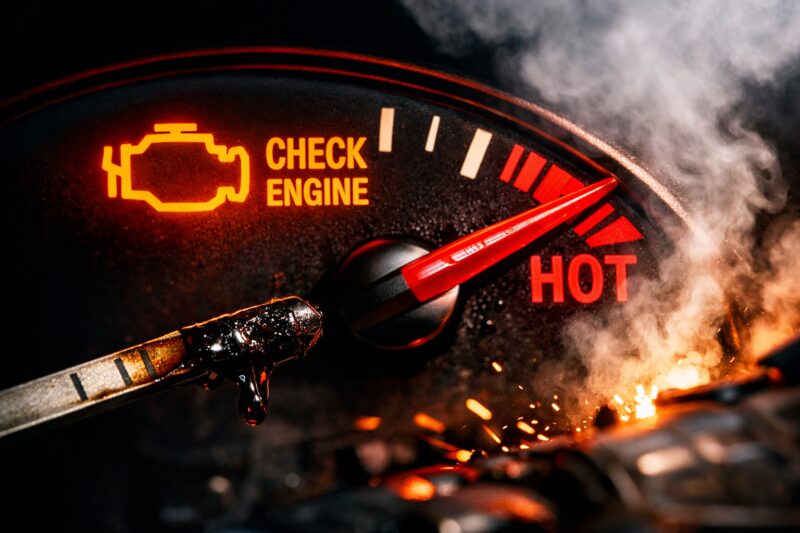
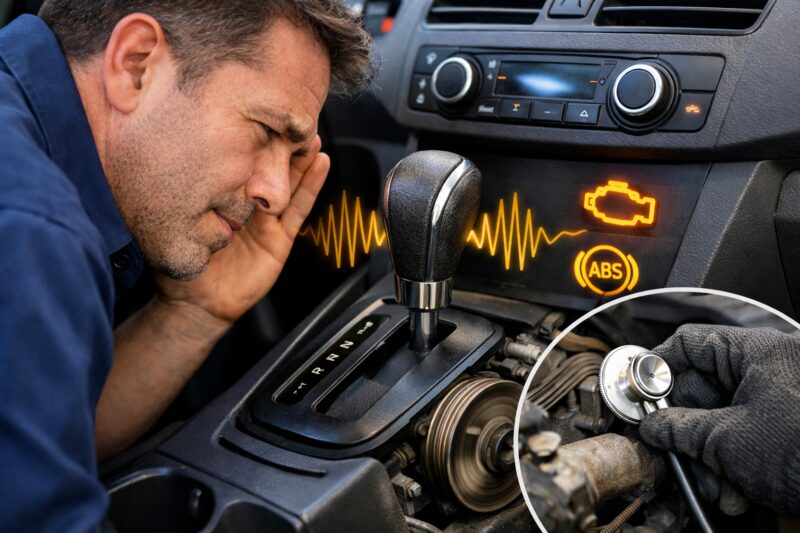
Dashboard lights often mean your vehicle detected a fault or a parameter is outside limits. Yet the light’s behavior can matter just as much as the symbol. That is why preventive maintenance signs include not only “which light,” but also how it appears and how it acts.
Many systems work by watching sensors and setting thresholds. For example, engine and emissions controls monitor combustion, oxygen, and fuel trim behavior. Meanwhile, traction and stability systems watch wheel speed signals. Charging systems track voltage, and many temperature systems look for coolant heat patterns. When values drift, a warning light can appear early, long before a hard failure.
To apply this, start by noticing whether the indicator is steady or intermittent. Next, note whether it appears right after a cold start or only after driving. Also check if the light returns after you turn the key off and on. If someone recently disconnected the battery, some vehicles may also re-run diagnostics and re-display lights that had been cleared.
Safety matters most for certain conditions. If you see a low oil pressure warning, a serious overheating signal, or an emergency brake warning, treat it as urgent. Do not “drive it and .” In those cases, the risk of engine damage or brake loss is too high. On the other hand, an intermittent emissions-related light may still need attention soon. It often points to a sensor or fuel issue that can worsen.
Some cars delay fault detection until a drive cycle is completed. That means “no light” does not always mean “no problem.” For example, some emissions monitors may require a specific speed, temperature, and engine run time. Therefore, a missing light can be misleading. If you suspect an issue but the dash stays quiet, you still may need inspection.
For better diagnostics, document what you saw. Take a quick photo of the light. Record your mileage, fuel level, and whether the problem happened in wet weather. This detail helps reduce guesswork during a service. If you are comparing shops, you can ask about a process like a dashboard warning inspection service, so you know how they verify the root cause.
How unusual sounds and vibration patterns point to maintenance needs
New noises and vibration usually mean something is wearing, misaligned, or not seated correctly. Also, some sounds change only under specific conditions. That makes them strong preventive maintenance signs when you track patterns.
Common symptom patterns include rhythmic squeaks, grinding, clunks on turns, and vibration under braking. For example, brake squeal can come from pad material, corrosion on rotors, or wear indicators. A humming noise that tracks vehicle speed can suggest a wheel bearing. Clunks over bumps often point toward suspension bushings or worn mounts. Meanwhile, belt-driven accessory noise may shift when you steer or adjust loads like defrost or headlights.
To narrow it down, notice when the sound happens. Does it occur at idle, only when driving, or mainly when braking? Is it louder on left turns or right turns? Next, compare cold versus hot behavior. Some issues show up only after components expand with heat. Also listen for changes after rain, because temporary lubrication or moisture can hide or reveal noises.
However, do not jump to one conclusion based on one sound. Many faults can produce similar noises. For instance, tire tread wear or balance issues can mimic bearing hum. Therefore, use sounds as a clue, not a diagnosis. A helpful approach is a commercial repair symptom checklist, which you can use to organize what you notice and when it happens.
Edge cases can also confuse owners. If a vehicle feels smoother after a wash, the moisture may temporarily reduce certain squeaks. In addition, a cold start can change belt tension and exhaust flow. As a result, a sound may appear to improve after cleaning while the underlying wear remains. Meanwhile, some DIY “temporary fixes” can worsen damage. If you drive a bearing noise for too long, heat can accelerate wear.
Tradeoffs matter too. You can often do safe listening tests in a parking lot or at low speeds. Still, avoid running the car in unsafe conditions. If the vibration increases or the noise becomes harsh, schedule an inspection soon. In severe cases, stop driving and get a tow. That protects tires, brakes, and driveline components.
How smells, smoke, and fluid changes act as early prevention signals
Burning or unusual odors are often early preventive maintenance signs that something is overheating, leaking, or arcing. Smoke is more serious, because it can indicate a fire risk. Therefore, how the smell behaves over time helps you decide urgency.
Different odor categories can correlate with different sources. A burning oil smell can suggest an oil leak contacting hot engine parts. A sweet or syrup-like smell often relates to coolant. A sharp electrical or “hot plastic” smell can indicate wiring heat or a failing connection. Meanwhile, a fuel smell can come from a spill, a loose line, or an active leak. If you smell something after refueling, check for spills and evaporative system leaks later if it persists.
Fluid clues are equally important. Low fluid levels can mean a leak, normal wear, or incorrect fill. However, sudden consumption usually points to a leak or a failure. Discoloration can also matter. For example, coolant that looks rusty or milky may indicate contamination or a cooling system issue. Brake fluid that appears very dark can mean it has absorbed moisture over time. In addition, transmission fluid that is burnt can signal overheating.
For safe checks, look for visible leaks under the engine bay and along the driveway trail. Use clean paper or cardboard under suspected spots. Then, compare fluid locations to components. Do not open hot pressurized caps. Also, avoid sniffing deeply near the engine if smoke is present. If you see active smoke, stop driving and address it immediately.
Some smells are normal in the short term. New brake pads can smell during bedding. Brake dust can also heat and smell after hard driving. In addition, a spill from refueling can burn off once. The key nuance is persistence. If the smell returns after cooling or keeps worsening, it is not normal.
Next, choose your next step based on severity. If you have a strong fuel odor, plan to stop driving. If you have a mild oil smell and no puddle, you can top off if needed. But you should still schedule inspection quickly. When in doubt, ask for questions before booking diagnostics, so you understand what they will check and why.
Performance drift in starting, shifting, MPG, and braking feel can be warning signs
Gradual performance changes often appear before a sudden breakdown. That is why preventive maintenance signs can show up as harder starts, rough idle, or reduced fuel economy. Likewise, small shifts in braking feel may signal wear you can measure.
Performance drift usually builds over time. Engines can lose efficiency due to vacuum leaks, sensor issues, or aging ignition components. Transmissions may shift later if fluid conditions or control adaptations change. Hybrids can feel different too, because cooling and braking energy recovery strategies vary by system state. For AWD vehicles, driveline components can develop friction or binding that shows up as vibration or mild driveline noise.
To track drift, look for change against a baseline. Note cold-start behavior first, because it is often more telling. Then track shift timing changes on consistent routes. If MPG drops, confirm you did not change tires, driving style, or load. Also remember that some repairs temporarily change learning behavior. Battery disconnects, new tires, or recent Services can alter how the car adapts for a short time.
Tradeoffs exist in how you diagnose this. You might feel “something is off” but not know what changed. Scan tools can help, but not every mechanical wear issue sets a sensor code. Therefore, performance drift may require measurements and inspection beyond stored trouble codes.
A practical application is to keep a short log. Record mileage, outside temperature, and whether it happened at idle or under load. Then add whether the symptom repeats every drive. In some cases, a simple severity scale helps. For example, “noticeable but drivable” is different from “hard to start” or “unsafe braking.” This supports clear communication with a shop.
Also, do not delay when performance drift affects safety. If braking feel gets worse quickly or steering pulls, treat it as urgent. If shifting delays increase, the repair cost often rises with continued driving. Preventive action usually costs less than delayed component replacement.
When tires, wipers, belts, filters, and other consumables are due for service
Consumables wear on schedules, but condition changes can bring preventive maintenance signs early. Tires, wipers, and filters often show clear physical evidence. Belts, hoses, and spark-related items can look fine yet still need testing.
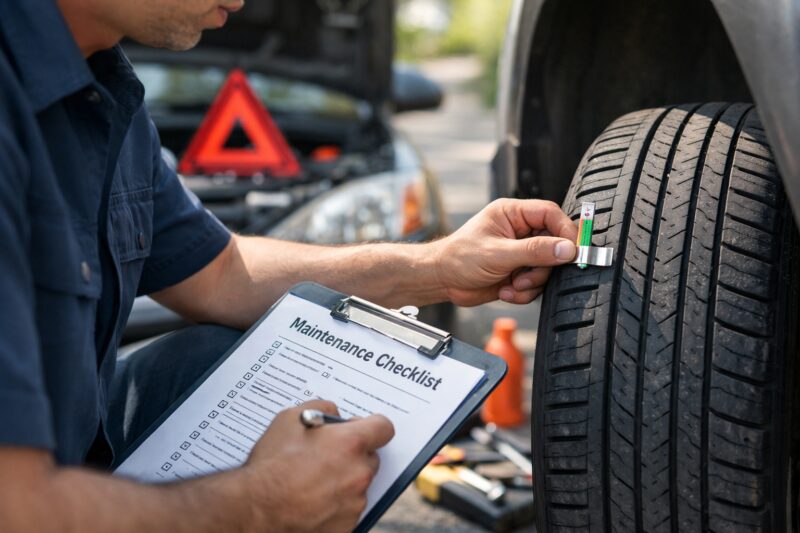
Start with tires because they influence safety and fuel use. Look for uneven wear patterns like inside-edge wear or cupping. Cracks near the sidewall often show aging. Also check tire pressure at the correct interval, because underinflation accelerates wear. Uneven tread can reflect alignment issues, but it can also reflect suspension or tire matching problems.
Next, check wipers and washer performance. Streaking can mean worn blades or clogged nozzles. If wiper motor noise increases, the system may be binding. Then inspect cabin and air filters. A clogged air filter can reduce airflow and worsen drivability. Meanwhile, a clogged cabin filter reduces airflow and can fog windows.
Belts and hoses deserve attention too. Visible cracking, glazing, or swelling can indicate aging. However, appearance alone does not always predict belt life, so the belt’s tension and condition matter. Coolant condition also matters. If coolant looks old or low, it can lead to overheating and internal corrosion.
Practical application means using both time and mileage plus a visual check. A simple rule helps: if the vehicle sees short trips, dust, towing, or extreme weather, wear may accelerate. For example, short trips can cause oil to degrade faster due to less heat cycling. Dusty roads can clog filters sooner. Heavy towing can increase cooling system load.
You can verify some items safely at home. Check tire pressure, tread depth, and visible leaks. You can also inspect wiper blades and top off certain fluids if your owner manual allows it. However, some tests require tools. Pressure tests, scan data, and brake measurements are better left to trained technicians.
For a structured approach, use a reliable ride maintenance checklist. It helps you align what you check with what you drive, not just a generic calendar.
How to triage suspected preventive maintenance signs with a clear severity path
You can act more wisely when you triage symptoms instead of reacting randomly. A severity path helps you decide what to check first, what to ignore, and what to stop for. This is one of the most practical approaches to preventive maintenance signs.
First, identify the symptom type. Is it a dashboard indicator, an odor, a sound, or a performance drift? Next, note the conditions. Did it happen after rain, after refueling, after a cold start, or during heavy braking? Then, check safety-critical items immediately when applicable. Low oil pressure, brake warning lights, and overheating concerns change the stakes fast.
A useful severity path includes three bands. Informational issues are inconvenient but usually not dangerous. Potentially damaging issues need prompt service. Safety-critical issues require immediate stopping or limited operation only if your vehicle guidance allows it. The right choice depends on the exact light and symptom, not just the category.
To help a mechanic, gather the “what, when, and how.” Include mileage, last service record, and any repairs you recently did. Also include a timeline. For example, “noticed after three weeks,” or “first appeared during the first drive after rain.” If possible, record the exact light behavior. A photo and a short video can help greatly.
A deeper insight here is to avoid part replacement chasing. It happens when a shop replaces components before confirming the root cause. You can reduce this risk by asking what tests localize the issue. Use scan results and measurements to connect symptoms to the cause. Then verify the repair resolved the cause, not just the symptom.
Tradeoffs exist. DIY checks can be helpful for triage. Still, you should not do unsafe checks for fuel or overheating systems. If the symptom is recurring or escalating, schedule inspection and request clear diagnostic steps.
Common mistakes that hide early preventive maintenance warning signs
Many owners miss preventive maintenance signs because they treat early clues as “minor” and hope they fade. Unfortunately, some issues worsen quietly. Others return after temporary relief. As a result, mistakes often come from how people interpret symptoms.
A frequent error is ignoring intermittent dashboard behavior. An occasional light may still mean a sensor or connection issue that sets codes later. Another common mistake is delaying after the first unusual sound. For example, a bearing noise can start mild and then accelerate. Also, topping off fluids without finding a leak can create false confidence. The fluid may last longer, but the leak remains.
Another misconception is that preventive maintenance is purely mileage-based. Calendar service helps, but condition and driving pattern often matter more. Short trips, winter roads, and heavy dust can accelerate wear. On the other hand, long highway miles may slow some wear but stress others. Therefore, a generic interval can miss vehicle-specific needs.
People also assume “no warning light means everything is fine.” Yet some mechanical wear does not trigger sensor codes right away. In addition, emissions monitors may not run in every drive. So a vehicle may stay quiet until conditions are met. That is why symptom tracking matters even when the dash looks calm.
Aftermarket effects can add confusion too. Mismatched tires, non-OEM fluids, or wheel spacers can create vibration or drivability changes. Even a suspension modification can affect how certain systems behave. Therefore, compare symptoms against what changed recently. If you installed new tires, repeat the checks after the first few hundred miles to see what stays consistent.
A better alternative is simple documentation. Keep a log of symptoms, dates, and conditions. Then schedule checks that fit your usage profile. Over time, this makes preventive maintenance signs easier to interpret and helps professionals diagnose faster.
DIY checks, shop inspections, and diagnostics: which option fits your symptoms
You do not need one method for everything. Instead, match the method to the symptom and risk. That way, you avoid unnecessary expense while still acting early on preventive maintenance signs.
For many owners, basic checks are the first step. Visual inspections can reveal leaks, hose wear, and loose connections. You can also check tire pressure and tread wear. You can listen for pattern changes. For smells, you can note timing and whether it repeats after cooling.
Next, guided inspection at a shop can be ideal for seasonal or pre-road-trip planning. A technician can verify component condition through measurements. That often includes checking brakes, suspension, and fluid condition using simple gauges. If you are trying to plan around a predictable timeline, an organized approach helps.
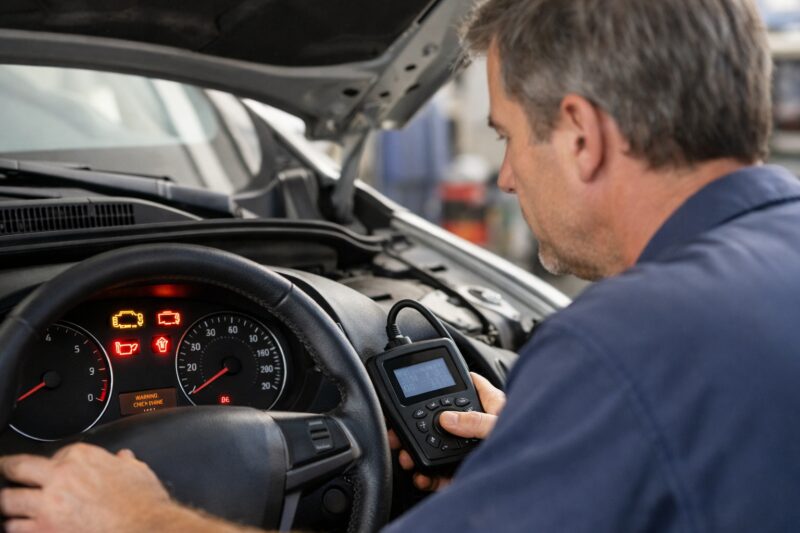
When symptoms point to sensor or drivability issues, scan-based diagnostics may be appropriate. A scan tool reads stored codes and live sensor values. However, a scan-only visit is not always enough. Mechanical wear can exist without a sensor code. Therefore, a good diagnosis combines scan data with measurements and visual localization.
Tradeoffs also matter for cost and risk. DIY checks cost less but can miss internal failures. Shop visits cost more but reduce guesswork. Meanwhile, a trustworthy shop should explain what they will check and what evidence they expect to find. If you want fewer surprises, prepare your “questions before booking diagnostics.” Ask what tests they will run and how they will confirm the root cause.
To build trust, look for transparency. They should show results and measurements. They should also connect symptoms to the cause, not just list parts. After any repair, ask what to observe during the next drive cycle to confirm improvement.
How 2026 weather and road conditions change what you should watch for
Weather and road conditions shift wear patterns and can trigger preventive maintenance signs. That means your “normal” checklist may need seasonal updates in 2026. Also, the same symptom can have different causes depending on moisture, salt, and heat exposure.
In winter, road salt can speed undercarriage corrosion. That can affect brake components, wheel bearings, and wiring. After heavy rain or flooding, moisture can cause temporary electrical faults in sensor connectors. In hot conditions, coolant degradation and heat-related aging become more noticeable. Dusty roads can clog filters faster and can hide small leaks until they reappear.
A useful deeper insight is “first warm day after winter.” Some issues become obvious when temperatures rise and moisture melts away. For example, a small coolant leak may finally drip onto the ground. A suspension squeak may appear once metal expands. Corrosion-related noises can also show up after repeated freeze-thaw cycles.
Practical application is a seasonal check plan. Inspect for corrosion, fluid leaks, and tire condition. Check brakes for extra dust buildup. Look for wetness near electrical connectors after rain events. Then schedule a maintenance appointment when you notice persistent signs, not just one-time events.
Modern vehicles also have higher electrical demand. Start-stop systems and lots of accessories can increase battery load. If you notice intermittent electrical symptoms, include charging-related checks in your plan. Still, avoid turning this guide into battery-only advice. Many other issues can create similar dashboard behavior.
When conditions improve, the symptom timeline becomes clearer. Use that to your advantage. Compare “before and after weather change” notes in your log. Then bring that evidence to a technician for faster diagnosis.
Edge cases: intermittent faults and “false confidence” after repairs
Some preventive maintenance signs come and go, which makes them hard to catch. Other times, repairs fix the symptom but miss the cause. Both scenarios can delay the right maintenance and create repeat problems.
Intermittent faults often relate to heat, vibration, or connection behavior. A sensor can read correctly until a certain temperature or road load is reached. Then it fails briefly and the fault appears later. Similarly, wiring can behave differently when it gets wet. This is why a symptom log with conditions is so important.
Edge cases also happen after you change components. If you recently installed new tires, the vehicle might vibrate during the first miles due to balance settling. After a battery change, some systems re-learn idle and shift behavior. If you recently added aftermarket accessories, they may affect power draws or sensor routing. Therefore, you should note what changed alongside the symptoms.
“False confidence” is another common issue. A repair can seem successful because the warning light goes away temporarily. However, the underlying cause may still exist. For example, a cooling issue may reappear if a pressure test was skipped. Alignment may feel fine until higher-speed tire wear shows up. In brakes, an incomplete diagnosis can leave a vibration unresolved.
To reassess when symptoms return, look for evidence. Compare the new symptoms to the original timeline. Then confirm whether the root cause was verified with a test. If it was not, consider a second opinion with your log and results in hand. Ask about reliable ride maintenance checklist items that support the verification process.
Tradeoffs apply to high-mileage vehicles too. Maintenance history often matters more than miles alone. A well-documented maintenance record can make issues more predictable. A missed service history can make symptoms more complex. Either way, the best next step is to match diagnosis to evidence, not to fear.
Frequently Asked Questions About Signs Your Vehicle Needs Preventive Maintenance
What are the most common preventive maintenance signs that appear before a breakdown?
The most common signs include dashboard indicator changes, unusual sounds, new smells, and gradual performance drift. Many owners also notice fluid level changes or visible leaks before anything fails. In addition, tire wear patterns and brake feel changes are common early clues. The key is that these symptoms often repeat under similar conditions.
How soon should I act when a dashboard light comes on?
Act immediately for safety-critical warnings, such as low oil pressure, overheating indications, or serious brake alerts. For non-critical lights, schedule service soon, especially if the light stays on or becomes more frequent. If the vehicle feels normal and the light is intermittent, you still should diagnose it within days, not months. When a light affects drivability, stop driving sooner and seek inspection.
Can I tell the difference between normal wear and a real preventive maintenance problem?
Yes, by looking for change over time rather than one-off wear. Normal wear usually stays gradual and consistent. A real preventive maintenance issue often shows up as a new pattern, like uneven tire wear or noise under specific loads. If the symptom escalates or returns quickly after service, treat it as a real problem.
Why do preventive maintenance issues seem to happen after a car is washed or after rain?
Moisture can expose electrical connectors, sensor housings, and underbody leaks. It can also temporarily mask squeaks by changing friction on some surfaces. If the issue returns after the car dries and cools, it is usually not a one-time effect. In that case, inspect for persistent leaks and check for corrosion-related issues.
What should I check first if I notice a burning smell or smoke?
First, prioritize safety. If there is active smoke, stop driving and get help. If you only smell burning, check whether the smell appears after you shut off the engine. Also look for visible leaks or signs of overheating. Do not open hot pressurized components, and avoid running the engine if the smell is strong.
Yes, because intermittent faults or sensor sensitivity can trigger warnings for symptoms rather than the root cause. Emissions readiness and drive cycle conditions can also affect when a light appears. In some cases, a warning points to a system that should be tested, not immediately replaced. Therefore, diagnosis should combine scan data with physical inspection and measurements.
How do driving habits change the timing of preventive maintenance signs?
Short trips, towing, aggressive driving, and frequent idling can accelerate wear on brakes, cooling, and fluids. In contrast, steady highway driving can reduce some wear while increasing tire and drivetrain load. Road environment matters too, because dust, salt, and extreme heat can degrade components faster. As a result, maintenance timelines should reflect your usage profile.
What measurements or tests matter most when diagnosing vehicle problems without guessing?
Measurements like fluid levels and condition, tire tread and pressure, and brake feel tests often confirm what is failing mechanically. Leak localization using safe visual checks helps narrow the source. Scan data can show stored codes and live sensor values, but it may not cover purely mechanical wear. Repeatability tests, like checking whether a fault returns under the same conditions, also matter.
What’s the safest way to investigate low fluid or fluid discoloration at home?
Check fluid levels when allowed by your owner’s manual, and only when components are safe to touch. Visual inspection can reveal discoloration, sludge, or wet areas around the engine. Do not open hot pressurized caps, especially on cooling systems. If the level drops quickly or fluid looks contaminated, stop topping off and schedule inspection for a leak source.
Should I trust a mechanic’s estimate if I don’t understand the diagnostic steps?
You can trust it more if they explain the tests they performed and how those tests connect to the cause. Look for transparency, such as showing measurements and scan readouts when applicable. A good estimate offers options and clarifies what they are confident about versus what needs further testing. Also, ask how they will confirm the repair fixed the cause.
How often should I do preventive maintenance inspections in 2026 if I don’t drive much?
If you drive fewer miles, time-based inspection still matters because fluids and seals age. A seasonal inspection can catch issues that low mileage alone would not reveal. Focus on tires, wipers, battery-related symptoms, cooling system condition, and any signs of moisture or leaks. If you see preventive maintenance signs, schedule sooner even if your calendar suggests waiting.
Recap: turning early clues into safer, lower-cost vehicle care
Preventive maintenance signs show up in dashboard behavior, sounds, smells, fluid changes, and performance drift. Often, these changes start small and gradual. As a result, your best advantage is noticing patterns early and responding with the right level of urgency.
Use the decision path to triage symptoms. Prioritize safety-critical indicators first. Then document what you observe and match the next step to severity. When the cause is unclear, combine basic checks with professional inspection and measurement-focused diagnostics.
Avoid common misconceptions that can delay repairs. No warning light does not guarantee safety, and “calendar only” service can miss condition-based wear. Instead, adjust intervals based on your driving pattern, road environment, and seasonal changes in 2026.
Finally, build accountability with a simple maintenance and symptom log. Review your notes after service, then confirm the improvement you expect. If you want a structured plan, start with a reliable ride maintenance checklist and use your observations to guide questions before booking diagnostics. Over time, this approach reduces guesswork and helps you act early when preventive maintenance signs appear.
Updated September 2026