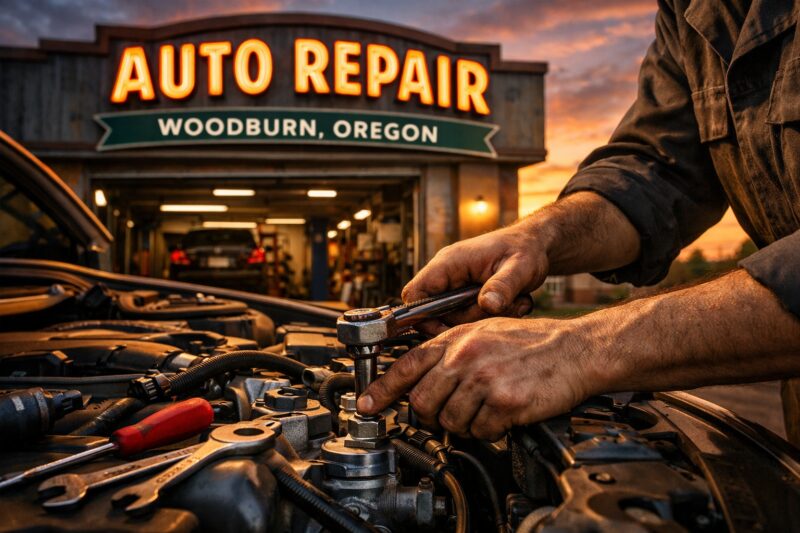
If you need auto repair in Woodburn, Oregon, the right shop should diagnose the problem first and explain the repair plan clearly. The phrase Auto Repair Woodburn Oregon often gets searched when drivers feel stuck between warning lights, unclear estimates, and repeat issues. This guide helps you choose a local repair shop for maintenance, diagnostics, and repairs without wasting time or money. It also covers what to bring, what to ask, and how to compare estimates so you can approve work with confidence.
Because you are looking for a shop, not a DIY fix, the focus here stays on how professional diagnostics and repair quality work in real life. You will also learn what “good” looks like when code scanners, inspections, and technician verification are involved. Expect many shops to use modern diagnostic tools, but the key point stays the same: tools must lead to documented testing, not guesses. If you plan ahead and share details early, you can usually schedule more smoothly and reduce back-and-forth.
How to choose an auto repair shop in Woodburn, Oregon for diagnostics and repairs
Start by choosing a shop based on its diagnostic process, not just the price on the estimate. In Woodburn, Oregon, where many drivers commute through major corridors and connect to nearby communities, a clear process saves time. A shop that does diagnostics well can prevent repeat repairs and reduce the chance of replacing the wrong part.
Good diagnostics follow a simple path. First, the technician reviews your symptoms and checks for related issues. Next, they run tests that confirm the cause before major parts replacement. Finally, they verify the fix after repair to make sure the issue does not come back.
This matters because parts “guessing” usually costs more over time. When a shop guesses, the repair may still leave the real problem untouched. That can mean another failure, another tow, and another approval request. Practical application looks like this: a technician checks live data, inspects components, and documents what they found before suggesting repairs.
Communication is also part of diagnostic quality. Ask how they will explain the problem and what evidence they will use. Look for documentation that includes the inspection steps, the parts suggested, and the warranty terms for workmanship.
Deeper insight comes from comparing testing-first shops with symptoms-first shops. A testing-first shop will often check the electrical supply, verify sensor readings, and confirm whether the part actually fails under real conditions. A symptoms-first shop may clear codes or propose parts based on the easiest match. That difference can strongly affect total cost and your likelihood of repeat visits.
A customer scenario shows why this matters. A driver in Woodburn notices the check-engine light after wet weather. The code points to a misfire, but the cause is not always the spark plugs. A reputable shop inspects ignition components, checks for vacuum leaks, and verifies the repair after testing, rather than replacing parts blindly.
When you call, be ready to share your driving pattern and when the issue appears. If you drive from Hubbard, Canby, Molalla, Salem, or Aurora, mention that as well. It helps the technician understand load, temperature changes, and how long the symptom takes to show up.

Before anything is approved, you should feel clear on what will happen and why. If you want the best chance of smooth planning, use “What to ask before booking” as your checklist phrase when you review details with the shop.
What services you should request when your vehicle needs maintenance in Woodburn, OR
When your vehicle needs maintenance, request services that include inspection, not just parts replacement. For drivers in Woodburn, Oregon, the best maintenance plan is often a mix of scheduled services and targeted checks. This helps prevent small issues from turning into bigger repairs.
Start with a basic safety and condition inspection. Ask for brake inspection, tire and wheel inspection, fluid checks, and an overall under-hood and under-car visual review. Then add the specific maintenance category based on symptoms and your mileage history.
For example, if you feel vibration or see uneven wear, request a tire and suspension inspection alongside wheel and brake checks. If you notice sluggish starts or an electrical warning, ask for a battery and charging system test, plus related cable and connection inspection. If you are seeing the check-engine light, request diagnostic scan testing and inspection tied to the code results.
Maintenance intervals should match how and where you drive. In the Willamette Valley, mild wet winters and warmer, drier summers affect wear and corrosion patterns. If you drive in fog or smoke days, visibility-related demands can also change how you use wipers, lights, and brakes. That does not mean you need special engine-only service every time. It does mean you should tell the shop when symptoms appear after specific weather conditions.
Practical call wording can reduce confusion. You can say, “I’d like a full safety inspection plus diagnostic scan for the check-engine light.” Or you can say, “Please check battery health and charging output because the starter feels weak.” Clear requests help the shop build a focused plan.
One edge case involves intermittent problems that never show up during the first test. Symptoms might occur only after highway driving, only when damp, or only during cool mornings. Waiting for a code to appear can be a trap. Instead, ask for an inspection plan that covers likely causes even when codes are absent.
To avoid delays, bring your recent service history and note when the issue started. If you can, include photos or short videos. If you drive through I-5 and connect via OR-214 or OR-211, mention that during scheduling. Where you route in and out of Woodburn helps frame load, speed, and temperature exposure.
Common mistakes that cost Woodburn drivers more during auto repairs
Many costly repairs start with decisions made too early. The biggest mistakes include approving work without understanding the diagnostic basis, accepting vague estimates, and skipping key inspection steps. When that happens, you may pay for parts that do not solve the true cause.
Another common mistake is misunderstanding parts quality options. Shops may offer used, remanufactured, or new parts. Those options can be valid, but you should ask what the difference means for fit, warranty coverage, and long-term reliability. If the shop proposes an alternative part type, ask how it matches the vehicle’s original specifications.
In addition, the way estimates are written matters. If an estimate lists “diagnostics” but does not describe what will be tested, comparing options becomes hard. Ask for a clear breakdown of labor time, parts cost, and the sequence of work. This helps you understand what you are approving now versus what may be discovered later.
A deeper nuance involves “clearing the code” without diagnosis. Resetting the light can make the problem seem gone. However, it can also mask whether the underlying fault still exists. That can lead to a quick return, especially when the issue depends on temperature or load.
Documentation gaps add risk. Before work starts, ask what you will receive at the end. Good shops will provide the diagnostic findings and a parts list. They also clarify whether old parts can be returned and how workmanship is covered.
For Woodburn drivers, road and weather patterns can change symptoms. Wet periods and damp conditions can affect corrosion on connectors and sensor housings. Fog and smoke days may change how often you use wipers and how you notice traction changes. If the shop does not ask about those timing details, the inspection may miss key clues.
If you want to avoid repeat problems, push for proof of cause. Request stored codes, freeze-frame info when available, and measurements from tests. That turns the repair from a guess into a verified fix.
The right approach follows guidance from professional repair practices. The National Institute for Automotive Service Excellence explains technician training and diagnostic importance through its ASE credential framework and service culture. You can review the general role of ASE and professionalism at ASE — it helps you understand what “qualified” should mean when choosing a shop.
Local driving realities in Woodburn, Oregon that affect vehicle diagnostics
Vehicle symptoms in Woodburn, Oregon often reflect real driving conditions, not just the engine. Woodburn is in Marion County, Oregon, and nearby towns like Hubbard, Canby, Molalla, Salem, and Aurora feed into the same road network. Many drivers also route through I-5 and connect via OR-214 or OR-211.
Because of that, diagnostic interviews should include where and how you drive. If your route includes long highway stretches, mention that the symptom appears after sustained speeds. If it happens after short local trips, mention that too. Those details help narrow causes like heat-related faults or intermittent electrical issues.

The Willamette Valley environment can also show up in vehicle behavior. Mild wet winters can increase corrosion and affect sensor connectors. Warm, drier summers can influence rubber wear and how certain components behave under consistent heat. Occasional smoke and fog can change visibility, but they can also change driving patterns like braking frequency and wiper use.
A deeper insight is that weather-linked habits can correlate with sensor data. For example, reduced traction complaints may rise during foggy periods when drivers notice slick pavement more often. Wiper or washer usage may increase on smoke or fog days, which changes how often you check those systems. A strong diagnostic interview should capture those dates and conditions, not just “it happened once.”
Practical scheduling tips also matter. Tell the shop when the issue started, what the vehicle did right before it appeared, and whether it occurs after I-5 driving or after city stops. If you can, bring a log of warning lights and how they behave. Even simple notes like “only on damp mornings” can help.
Finally, remember that local logistics affect appointment flow. If the issue feels unsafe, ask the shop for next-available options and prioritize safety checks. If the issue is intermittent but annoying, request a diagnostic plan that can capture conditions. This reduces the chance that you approve repairs only to find the symptom missed during inspection.
Comparing repair approaches: inspections-first vs parts-first, and how to evaluate tradeoffs
Not every repair plan is built the same way. When choosing between inspections-first and parts-first approaches, you should compare reliability and repeat risk. This comparison helps you choose the path that fits your vehicle’s symptoms and your budget.
An inspections-first diagnostic approach verifies the cause before replacing major parts. It typically uses a mix of visual checks, test measurements, and scan data review. This reduces the chance of replacing components that do not fix the issue. It also helps you approve a repair scope with clearer confidence.
A symptom-based troubleshooting approach can still work when codes are missing or problems are intermittent. In those cases, the shop uses your description and tests likely failure points. However, the tradeoff is that results may require follow-up if the issue does not reproduce. You should ask how the shop plans to document findings and what it will do if the symptom stays elusive.
Preventive maintenance plus targeted repair is another realistic option. If the vehicle has multiple minor concerns, a shop may propose a focused set of services. Then they address the highest-risk item first. This can reduce the chance that you pay for one repair while other wear continues unchecked.
Some shops also use contingency planning. That means they diagnose now, but confirm later after teardown exposes additional information. This can be efficient for certain mechanical access jobs. The limitation is that you must insist on written updates before approving additional work.
A deeper nuance involves comparing estimates when shops use different diagnostic assumptions. If one shop assumes a failed component and another shop tests first, their labor and part lines will differ. Ask questions that force apples-to-apples scope. You can ask, “What specific tests will you perform before parts are ordered?” and “How will you confirm the repair worked?”
Ethical negotiation is also about prioritizing safety. Ask what the shop considers required versus optional. If a safety system is involved, required items should come first. If you want to spread costs, ask about a phased plan that keeps critical risks managed.
What to do when estimates and repair results do not match expectations
When a repair does not fix the problem, you should ask for a documented re-check. This protects you and reduces the chance that the issue gets treated as “normal” when it is not. In Woodburn, Oregon, quick follow-up matters if you commute through I-5 or rely on your vehicle for daily routes.
First, request clarification on the original diagnosis. Ask what was tested, what data was recorded, and what the technician concluded. Then ask whether the shop can reproduce the concern or perform a follow-up test plan. A reputable shop will treat this as part of quality control.
Next, keep your communication factual and written when possible. Confirm the repair scope, the parts used, and what changed after the. If a warranty covers workmanship, request the warranty terms in writing. That helps you understand what the shop will do if the issue returns.
Edge cases happen when multiple warning lights connect to related systems. Fixing one issue may change how another warning behaves. A good shop will explain repair sequencing. It will also tell you what to expect if one system depends on another system’s operation.
Disagreements also come up when parts availability changes the scope. For example, a shop may discover a related component needs replacement during teardown. The best response is to ask for an updated written estimate before approval. You should also ask what evidence supports the added scope.
A deeper insight is the value of “diagnostic proof.” That means you request the stored codes, test results, and measurements used to reach the conclusion. Instead of relying on assumptions, you verify cause. This approach makes it easier to compare a first diagnosis with a second opinion.

If you need a second perspective, ask for an inspection that focuses on the original findings. You can also request that the shop retain and show old parts if applicable. That supports transparent decision-making and improves the odds of resolving the root cause.
For general consumer guidance about vehicle repair rights, you can review information from the Federal Trade Commission at FTC Consumer Advice and from state-level resources such as Oregon’s consumer protection guidance through Oregon Department of Justice. Those resources can help you understand what “fair” complaint handling typically looks like, even though your exact repair facts will vary.
Frequently Asked Questions About Auto Repair in Woodburn, Oregon
How much does auto repair cost in Woodburn, OR?
Auto repair costs in Woodburn, Oregon vary based on diagnostic time, labor rates, parts type, and how complex the repair is. A brake or tire-related service can cost differently than electrical diagnostics or engine repairs. If you are quoted, ask for a detailed estimate with line items for labor and parts.
Most shops will give you a range that depends on what they find during testing. Expect that costs often change after inspection if additional issues are discovered. The best way to get accurate numbers is to request a written quote after the shop reviews your vehicle and symptom details.
How fast can I get auto repair service in Woodburn?
Timing depends on schedule availability and the nature of the issue. Simple maintenance or a basic safety inspection may fit into shorter windows, while diagnostic work can require more time if the problem is intermittent. If your warning light affects safe driving, ask for priority scheduling.
Next-available appointments can be sooner during low-demand periods. During seasonal demand, same-week service may be harder, so calling early helps. If the symptom is weather-linked, share when it typically appears so the shop can plan tests effectively.
What should I ask a shop before approving any repairs?
Ask what diagnostic tests they will perform before parts are ordered. Also request an estimate breakdown that lists labor hours and parts, plus any optional versus required items. Then confirm warranty or workmanship coverage and what happens if the issue persists.
Before you approve, ask how they will verify the repair after work is complete. If multiple systems could be related, ask about repair sequencing. Clear answers reduce the chance of surprises later.
Will a check-engine light diagnosis always find the exact problem?
No. A check-engine light indicates a system fault, but it may show up as a symptom rather than the true root cause. Diagnostics narrow possibilities by combining scan data with inspection and targeted tests.
If codes are intermittent or a light clears after a restart, follow-up testing may be needed. A good shop will explain what it can confirm now and what it may need to re-check if the concern returns.
Do I need a full inspection, or just the issue that’s bothering me?
Targeted diagnostics are a good fit when you have one clear symptom and want help focusing on that specific system. A full safety inspection can be worth it when you want a baseline and risk review, especially if you recently bought the vehicle or skipped maintenance.
If warning lights are multiple or related symptoms overlap, a broader inspection may prevent missing a connected issue. Ask the shop to explain why a full check helps in your specific situation.
How do you handle intermittent problems when no codes appear?
Shops typically rely on your symptom history and may do guided inspections even without stored codes. You can help by keeping notes about when the issue starts, what driving conditions match it, and whether anything changes after cooling or warming up.
Some shops also recommend specific test drives or observation periods if safe to do so. Realistic expectations matter here because intermittent issues may require a couple of verification steps.
What can cause repeated brake issues after a repair?
Repeated brake problems can come from incorrect parts specs, poor installation details, or issues like worn rotors and missing hardware. Misdiagnosis can also happen when the root cause is brake fluid contamination, a caliper hardware problem, or uneven pad wear. Documentation and warranty terms help you understand whether the shop will correct workmanship issues.
Ask what tests were used to verify proper brake operation after repair. If a warranty applies, request the exact coverage terms in writing before authorizing follow-up work.
Is it okay to drive the car if the warning light is on?
Sometimes it is safe enough to drive briefly, but it depends on the warning light and symptoms. Overheating warnings, charging issues, no-start conditions, and brake-related warnings can be urgent. If you notice loss of power, severe vibrations, or overheating, stop and get help.
If the light is on but the vehicle drives normally, schedule diagnostics soon. Still, do not ignore safety-critical warnings just because the problem seems mild.
Can I bring my vehicle and request diagnostics only?
Yes, many shops offer diagnostic-only services, but you should confirm how the diagnostic labor is priced. Some shops apply diagnostic fees toward approved repairs, while others treat diagnostic labor separately. You should expect to receive diagnostic findings before you approve additional work.
Ask what “diagnostics only” includes, especially whether it covers inspection steps and test results. Then you can decide whether to authorize repairs based on documented evidence.
What should I mention to speed up an estimate for my vehicle in Woodburn?
Share when the issue started and the exact conditions when it happens. Mention dates or patterns tied to fog or smoke days, damp mornings, or when you travel along I-5 corridors. Also include where you drive from most, such as connections via OR-214 or OR-211.
If you have photos or short videos of the warning light, include them. Bring any service history details so the shop can avoid repeating earlier work. The more specific your symptom timeline, the faster the shop can narrow a focused plan.
What to request next when you need help booking an inspection or diagnostic appointment
To move fast, your next step is to book a diagnostic-focused appointment with clear context. When you contact the shop, describe symptoms in plain terms and include the conditions that match them. If the concern is intermittent, mention that upfront so they plan test steps accordingly.
Bring your vehicle’s service history, your warning light timeline, and any relevant videos. If you notice the issue after I-5 driving or after connecting through OR-214 or OR-211, say so during scheduling. If fog or smoke days seem linked, note those dates too. Even small details can reduce diagnostic time.
If you want, ask the shop to explain the diagnostic steps before they order parts. That keeps the work grounded in evidence. It also makes the estimate easier to compare if you talk with more than one shop.
Finally, use “What to ask before booking” as your phrase when you review expectations. That helps you confirm what you will get from the, including documentation and next-step options. Once the diagnosis is clear, you can approve repairs with confidence and protect your budget.
Choosing the right auto repair shop for Auto Repair Woodburn Oregon is about diagnostics quality and communication, not just the lowest quote. Prioritize shops that verify the cause, document findings, and explain warranty or workmanship terms in writing. For Woodburn, Oregon drivers, sharing your driving routes, timing, and weather-linked symptom details can improve the speed and accuracy of the inspection.
When you call, request an inspection and diagnostic plan that matches your situation. Compare options by asking the same set of questions each time, and avoid approving work based on guesses alone. If you are ready to book, plan ahead for seasonal demand and bring site and condition details that match what you see at home. This approach supports more reliable outcomes, fewer repeat visits, and better protection if repairs do not match expectations.
Updated September 2026