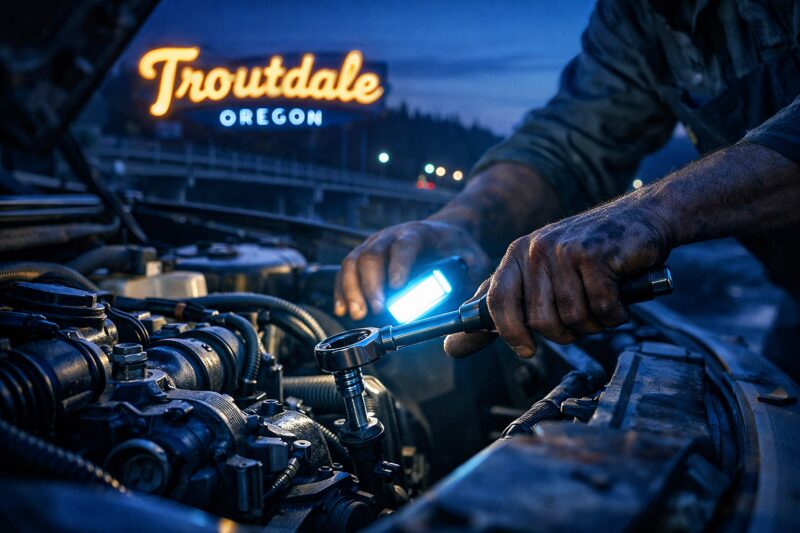
If your car has warning lights, strange noises, brake problems, engine or transmission concerns, or it failed an inspection, you do not need to guess. In Troutdale, Oregon, the safest path is a diagnostics-first visit with expert mechanics who document what they find and why. If you’re searching for Auto Repair Troutdale Oregon, here’s how to get a clear diagnosis and dependable work without wasting money. NRT Offroad Performance provides professional automotive diagnostics, maintenance, repair, and off-road performance service to help local drivers get back on the road with confidence.
Modern vehicles can show vague symptoms that point to several possible causes. Because of that, a good shop will verify the problem with scan tools, test results, and physical inspections, not just a single code. You can also expect pricing transparency, clear next steps, and realistic expectations for scheduling. If the situation is unsafe to drive, you should be told that early. If it is safe enough for short test trips, the shop should explain the plan.
Modern diagnostics keep auto repairs in Troutdale from becoming guesswork
Good auto repair starts with verification, not parts swapping. That is what makes diagnostics-first service so valuable when you need Auto Repair Troutdale Oregon. When warning lights appear, or braking and drivability change, you want the root cause identified as quickly as possible.
In practice, expert mechanics usually begin with OBD-II scan tool checks. They pull stored and pending trouble codes, then look at live data to see how systems behave right now. Next, they inspect related wear items and components that match the complaint. This matters because many codes can share symptoms, and some faults only show up under specific conditions.
Troutdale drivers often deal with wet-road braking, pothole vibration, and rapid tire wear from rough access routes. Those factors can create intermittent issues. For example, a check-engine light might only appear after you’ve been driving in heavy rain. A shop should not assume the first cold start tells the whole story. Instead, they should replicate the conditions during testing so the diagnosis matches real-world behavior.
One common misconception is that the code alone proves the cause. However, a sensor can be accurate while a wiring issue is failing. Another edge case is when a problem is intermittent and worsens when heat-soak builds after driving. If you only test briefly, you might miss the failure pattern. NRT Offroad Performance approaches diagnostics as a process: listen to symptoms, verify with evidence, and then confirm a repair plan.
For context on emissions-related diagnostic systems, the U.S. Environmental Protection Agency explains how onboard diagnostics relate to vehicle emissions monitoring EPA. That kind of official framing helps explain why codes can be real signals, yet not always complete stories without supporting checks.
The NRT Offroad Performance repair path runs from your call to a documented fix
A trustworthy shop should guide you from first contact to a repair you can understand. That process is a key reason many drivers choose NRT Offroad Performance when they need Auto Repair Troutdale Oregon support. Instead of jumping straight to estimates, the team aims to confirm findings with real test data.
After you call, you can expect symptom intake questions. The shop will ask when the issue happens, how often it occurs, and what changed before it started. They may also ask whether the vehicle is safe to drive and whether towing is needed. This helps them triage the case and prepare for the correct diagnostic steps.
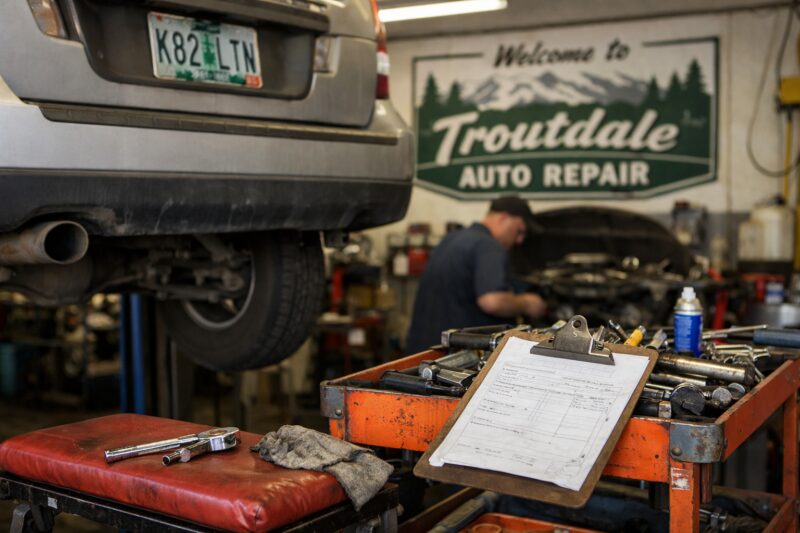
Next comes the diagnostic session. The shop checks codes, evaluates live data, and inspects the parts most likely connected to your complaint. Then they share findings before repairs begin. They should explain the difference between a confirmed fault and a possible cause. That distinction protects you from paying for the wrong repair path.
During teardown, new information can appear. For example, a surface-level issue can reveal deeper component wear. A good shop updates the estimate with your approval and explains why the plan changed. You should receive a clear breakdown of labor and parts, plus photos or readings when major work is involved. That is how you can compare options and avoid surprises later.
Finally, quality checks matter. The shop should confirm that the repair addressed the cause, not just the symptom. Practical validation might include a road test and re-checking key data. If off-road performance is part of your vehicle use, the team should also consider the components that see extra stress on gravel and muddy routes.
What expert mechanics verify when Troutdale drivers notice warning lights or noises
Expert mechanics check symptoms in categories, then connect each symptom to evidence. That is how Auto Repair Troutdale Oregon service stays accurate when your car feels “off” in multiple ways. Warning lights and noises are not always direct matches to a single failing part.
For warning lights and drivability changes, the focus often includes misfire patterns, rough idle behavior, and whether the vehicle enters a reduced-power mode. Meanwhile, the inspection should confirm ignition, fuel, vacuum, and related sensor inputs that can create similar effects. When a check-engine light is intermittent, the shop should note when it appears and whether it tracks with temperature, humidity, or load.
Brake feel issues get treated differently because safety depends on root causes. Squeal, pulsation, or a soft pedal can come from rotor thickness variation, caliper slide problems, or tire and wheel factors. A strong diagnostic approach isolates which wheel and which condition triggers the change. That prevents replacing parts that were never the real driver.
Engine overheating concerns also require pattern checks. Mechanics should confirm coolant levels, hose condition, fan operation, and whether overheating happens consistently or only under certain loads. Transmission hesitation and shifting quality get evaluated under load too, not just at idle. If you notice the problem during a climb toward the Gorge or after towing, the shop should capture that context during testing.
Failed inspection situations also fit this evidence-based style. The goal is to identify what failed and correct the underlying cause. Then the results should be documented so you can reference them later. This approach protects you from “repeat failures” caused by incomplete fixes.
When a vehicle is unsafe, the shop should recommend towing. For example, major overheating, severe brake performance loss, or driveline binding are clear safety flags. However, a shop may still allow careful short diagnostics when risk is low. The right call depends on the confirmed findings and the behavior of the system.
Estimates should separate diagnosis costs from repair decisions
Pricing works best when you know what you’re paying for and why. Reputable estimates for Auto Repair Troutdale Oregon usually start with a diagnostic approach, then transition into repair labor and parts. That clarity helps you compare quotes without relying on guesswork.
Some vehicles require a diagnostic fee to cover scan tool time and inspection labor. Other cases may roll diagnostic work into a repair estimate once the fault is confirmed. Either way, the shop should explain the plan. Next, labor hours depend on access, component layout, and test verification steps. Parts cost varies based on what is required and what quality options are available.
When you call, ask whether the shop provides a written estimate after diagnosis. Also ask what changes the price after teardown. Good shops set expectations early so you understand the conditions that could affect total cost. For example, a brake estimate can increase if a caliper, bracket, or suspension component is worn beyond what initial inspection showed.
Two shops can quote differently for the same symptom. That happens because “severity” changes, and because one shop may include extra checks to reduce repeat failures. This is a practical nuance that many guides miss. If your vehicle has intermittent faults, one estimate may include verification steps that another shop skips. In that situation, the cheaper option can cost more later.
Transparency signals are also important. You should be able to see line-item labor and parts details. If you request it, many shops can return replaced components for your review. Some shops also share photos or screenshots of readings for major work. Those details make the estimate feel grounded in evidence.
To understand how emissions checks connect to onboard monitoring, EPA can provide helpful background. While your repair estimate is unique, official emissions concepts explain why “fixing a code” is not always enough.
Scheduling and turnaround time for car repairs around Troutdale depends on parts and testing
Turnaround times are realistic when you plan around diagnosis, parts sourcing, and repair labor. For drivers seeking Auto Repair Troutdale Oregon, the safest expectation is: triage first, then testing, then parts, then work. Complexity and parts availability can change the timeline.
Most shops handle scheduling in stages. First, they prioritize urgent safety concerns. Next, they book enough time for diagnostics and test drive validation. If the fault is confirmed quickly, repair can move faster. If the issue is intermittent, more testing time may be required to reproduce the conditions.
Troutdale weather patterns can affect driving behavior and failure visibility. Wet roads can trigger traction-related sensor events. Damp conditions can also influence electrical connectors and sensor readings. Meanwhile, potholes and rough access routes can contribute to vibration, alignment drift, and wear patterns. Because of that, a diagnostic test drive can be part of the verification, not an optional step.
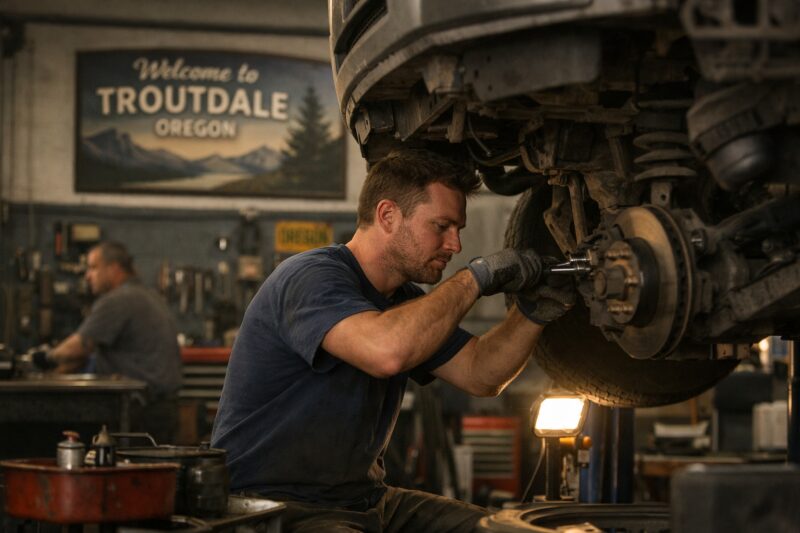 How to choose the right auto repair shop in Troutdale Oregon (decision checklist)” width=”1200″ height=”630″ loading=”lazy” decoding=”async” />
Off-road oriented components can add time as well. For example, suspension-related checks may require careful inspection of mounts, bushings, and control arms. Some work also benefits from calibration or thorough verification. A shop should explain why a longer diagnostic stage improves accuracy.
For urgent cases, ask about priority triage when you call. Provide details that help the shop schedule correctly, such as whether the car can be safely driven for diagnostics. If towing is safer, that guidance should be clear. Meanwhile, you can prepare for drop-off by noting when the symptoms start and sharing recent maintenance history.
Common mistakes cause repeat repairs, and the fix starts with better communication
Repeat repairs usually come from skipping evidence and rushing to conclusions. If you’re trying to avoid wasted money in Auto Repair Troutdale Oregon, focus on how the issue is presented and verified. A scan result is a starting point, not a finish line.
A common mistake is jumping straight to replacing parts after one code appears. Another shop might do it, but it can lead to paying twice if the code came from a different underlying cause. In addition, some drivers keep driving long after a warning sign indicates a safety risk. Brake pulsation or major overheating needs attention before it turns into bigger damage.
Communication errors also matter. If your noise happens only when turning, only during braking, or only under load, you need to say so clearly. Intermittent issues can worsen when conditions change, like tire pressure shifts or heat soak after freeway driving. Without that pattern information, even a well-trained mechanic may have to spend extra time replicating the conditions.
Aftermarket parts can create edge cases. A previously installed sensor, non-OEM component, or modification can affect what “normal” readings should be. In those cases, the diagnostic approach must account for the vehicle’s current configuration. That is why it helps to mention any recent work or modifications during the first call.
The best shops also clarify recommendations. They should explain what is needed now and what can be monitored. If you feel pressured to approve work you do not understand, ask for the evidence behind it. You can also request a second look if the symptom changes or if a repair does not restore expected behavior.
Choosing repair, maintenance, or off-road readiness service matches the problem you actually have
Not every shop visit should be “repair only.” Sometimes maintenance prevents the noise, vibration, or braking feel you’re chasing. Other times, off-road readiness inspection helps you avoid failures when you tow, haul, or drive gravel routes near the Gorge.
One path is diagnostic + targeted repair for a confirmed failure. This is common when you have warning lights, drivability issues, or obvious mechanical symptoms. Another path is preventive maintenance, especially when wear items contribute to the problem. For example, worn suspension components can change alignment and increase tire wear. That can also create vibration that feels like an engine or drivetrain issue.
An off-road readiness check fits when your vehicle needs to handle harsh road surfaces. The goal is to inspect suspension, brakes, and driveline-related concerns that matter for gravel access and muddy routes. Even if you drive mostly commute miles, a single towing event or rough-road trip can expose weak areas. NRT Offroad Performance is positioned to bridge mainstream reliability with off-road usage needs.
Some visits also connect to inspection requirements. In those cases, diagnosis-first troubleshooting should identify why the vehicle failed and then focus on the root cause. The tradeoff is that it may take a bit longer than a simple “replace a part” approach. However, it often prevents repeat failures.
So how to choose? Start with urgency and safety. Then match the visit type to your symptom and your vehicle use. If the issue changes based on wet roads or turning, say that. If the car is used for gravel access, mention that too. Then ask NRT what service category fits best. You can call and describe the symptom and your driving conditions before booking.
Troutdale driving conditions make diagnostics and repair planning more practical
Troutdale, Oregon sits in the Columbia River Gorge area, so road conditions can shift quickly. Rain, reduced visibility, and wet-road braking concerns are familiar for many drivers. At the same time, potholes and rough access routes can create vibration and faster wear. Those realities affect what fails, and how reliably a problem can be reproduced during inspection.
Because of that, a shop’s diagnostic plan should consider exposure patterns, not only mileage. For example, water and grime can influence electrical sensors and contribute to intermittent faults. They can also affect wheel bearing and suspension wear over time. Mechanics should ask about how the vehicle is used, including whether you tow, haul, or drive unpaved routes near outdoor recreation areas.
NRT Offroad Performance serves drivers around Troutdale by offering professional diagnostics, maintenance, and repairs designed to match how people drive locally. While the shop is based in Stayton, Oregon, the service approach supports customers from the Troutdale area. When you schedule, share details about whether it is safe to drive and what symptoms you see after rain, on climbs, or after rough-road sections.
A customer scenario shows why this matters. A driver might notice their Subaru starts pulsing when braking after wet highway segments. At first, they assume it is rotors only. However, the real cause can include brake hardware unevenness plus tire or wheel factors that show up during wet stops. With evidence-based testing, the shop can isolate the actual driver and plan the right repair.
If you need immediate help, ask about priority triage when you call. Then bring your symptom notes and service history. That “quick checklist before booking” habit reduces back-and-forth and helps the first diagnostic session be more productive.
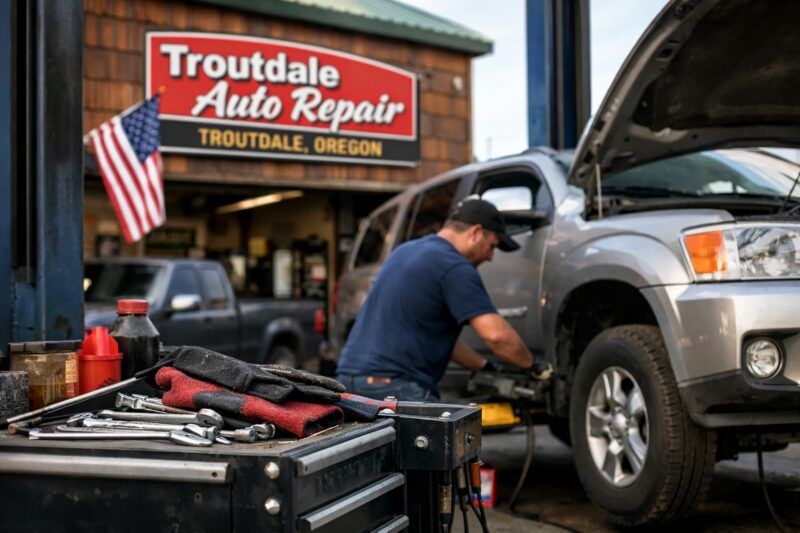
When the check-engine code does not match the way the car feels, troubleshooting protects your money
Codes do not always match what you feel. That is why skilled troubleshooting matters in Auto Repair Troutdale Oregon. When the code says one thing but the drivability issue feels different, expert mechanics connect data to physical evidence.
A good diagnostic ladder starts with basics. Mechanics check battery health, charging concerns, fluid levels, and visible inspection items. Then they verify measured values against expected behavior. After that, they evaluate mechanical constraints that could affect combustion or driveline performance. In addition, they consider wiring, connector condition, and vacuum-related factors that might not “set” the code you expect.
Sensor-related codes are a classic example. A sensor might report out-of-range values due to a bad ground, damaged connector, or intermittent signal. Meanwhile, mechanical issues like misfires can also be influenced by fuel quality or ignition components. Brake and rotor issues also sometimes produce confusing scan results, especially when wheel-speed inputs influence other systems.
Intermittent behavior creates another edge case. If the symptom happens only under load, a brief idle scan may look normal. The shop should plan a test drive that reproduces the problem safely. Documentation matters, too. You should expect to see readings, test results, and photos of inspected components when major work is recommended.
Misdiagnosis often comes from skipping the verification steps. For example, replacing a part because it appears related can overlook wiring faults or additional mechanical wear. A diagnostics-first shop reduces that risk by using evidence at every step.
If you’re searching for Auto Repair Troutdale Oregon, you want a shop that treats every visit like it matters—from diagnosis to final road test. Our team focuses on clear communication, thorough inspections, and quality workmanship so you can feel confident about your vehicle’s performance and safety, whether it’s routine maintenance or something that needs urgent attention. We also provide “professional brake repair services” to help keep your brakes responsive and reliable.
When you reach the FAQ section, you’ll find answers about what to expect during service, how repairs are evaluated, and how we handle common concerns for local drivers. We designed the process to be straightforward and transparent, so you can quickly understand timelines, service recommendations, and the steps we take to restore your car or truck to dependable condition.
Frequently asked questions about auto repair in Troutdale, Oregon
How much does a repair typically cost in Troutdale, OR for warning lights or drivability issues?
Pricing varies because the diagnostic findings determine labor time and parts needs. Many shops separate diagnostic time from repair costs, and NRT Offroad Performance will explain the plan after initial testing. Factors often include how complex the fault is, whether parts need to be sourced, and what verification steps are required to prevent repeat failures.
How fast can I get my car repaired in Troutdale, OR once I drop it off?
Turnaround depends on triage needs, diagnostic complexity, and parts availability. Often, shops can schedule initial diagnostics soon after drop-off, then repair time follows once the fault is confirmed. If the issue is intermittent or parts must be ordered, the timeline can extend.
Do I need to bring my vehicle in if the check-engine light turns off and on?
Yes, it’s still worth bringing it in, especially if drivability changes occur. Intermittent codes can still point to real faults that only show up under certain conditions. When you schedule, note when it happens and what you were doing, because that helps the diagnostic plan.
What should I tell the mechanic when I hear a noise only when braking or turning?
Share when the noise starts, such as first press of the brake, hard braking, low speed turns, or highway turning. Also describe where you feel it, like through the steering wheel or the floor. Mention any recent repairs or tire or brake work so the shop can focus on the most likely causes.
Can you help if my vehicle failed an inspection or won’t pass?
A diagnostics-first approach can identify what failed and then recommend repairs based on root causes. The goal is to address the underlying issue, not just clear a code. NRT Offroad Performance can help translate diagnostic findings into a practical repair plan you can reference later.
Will you diagnose before replacing parts, or do you start with parts replacement?
In most cases, NRT Offroad Performance focuses on comprehensive auto diagnostics services before deciding what to replace. That means confirmed faults get priority, while possible causes are tested and ruled out with evidence. You should expect clear communication about what is confirmed versus what is still being evaluated.
How do you handle estimates if you find additional problems during repair?
If new issues appear during teardown, the shop should explain what changed and why it affects the plan. Then it should request your approval before doing additional work. You should receive updated line items and a clear description of how the additional repair supports the original fix.
For off-road readiness, mechanics often inspect suspension, brake components, and driveline-related concerns that can be stressed by gravel and muddy conditions. They also look for wear patterns that show up after rough-road driving. The aim is to identify weaknesses before they become roadside problems.
Do you work with towing or vehicles that are unsafe to drive?
Safety comes first, so if a vehicle can’t be driven safely, towing is often the best step. When you call, explain what’s happening so the shop can advise on next steps for safe handling. The diagnostic plan may still proceed once the vehicle is in for inspection.
Are ASE-certified mechanics always required to get quality repairs?
Credentials can be a helpful signal, but quality repairs come from good diagnostics, clear documentation, and correct testing. Look for a shop that explains findings and ties recommendations to evidence. A strong diagnostic process and transparent estimates matter as much as any credential label.
Summary: expert auto repair in Troutdale should deliver evidence, transparency, and confidence
Auto repair in Troutdale, Oregon should feel straightforward: accurate diagnosis, clear estimates, and repair planning you can trust. When you bring your vehicle to NRT Offroad Performance, the goal is to confirm what’s causing the problem before replacing parts. That reduces repeat repairs and helps you compare options with confidence.
You also get a process built for real-world driving around the Columbia River Gorge. Wet roads, potholes, and off-road exposure patterns can affect when and how symptoms show up. By capturing those details, the shop can create a plan that fits your vehicle’s behavior. If you’re unsure what to do first, start with a quick checklist before booking your appointment.
Finally, use questions that reveal clarity. Ask for the diagnostic findings, what is confirmed, and what is still possible. Request written line items and documentation for major work. Then call NRT Offroad Performance with your symptoms, how they present, and your vehicle use, so you can get a clear plan for next steps.
Updated November 2026