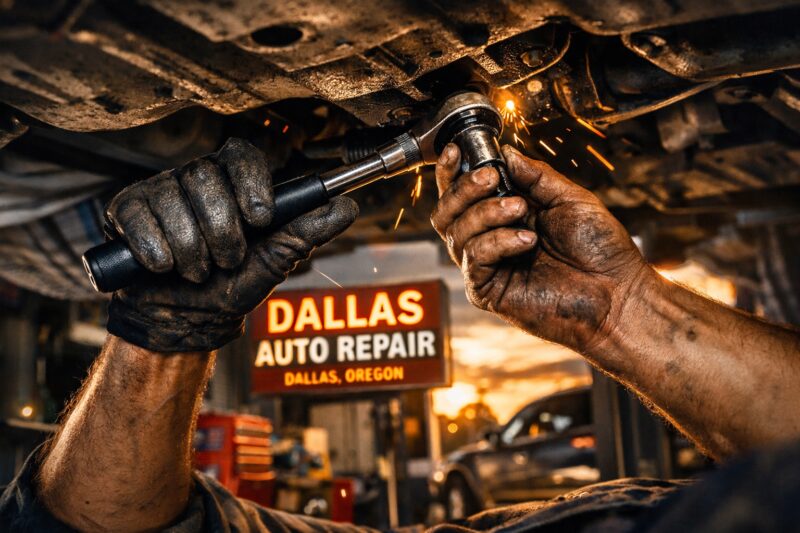
If you need reliable vehicle repair in or near Dallas, Oregon, the next step is to call a shop that starts with diagnostics and gives a clear, itemized estimate. Auto issues get expensive fast when the wrong tests lead the process. That is why people searching for Auto Repair Dallas Oregon should look for a shop that explains what it is checking and why. Convenience also matters, so expect a modern workflow with scan tools, documented findings, and a scheduling process that fits your week. Before you book, gather the basics: symptoms, warning lights, mileage, VIN if you have it, and notes on any recent repairs. Photos help too, especially for leaks or dash warning behavior that comes and goes.
Phase 1 Enviro Pros is not listed for vehicle service, but you can still use this guide to evaluate any Dallas, Oregon auto repair partner. Ask the same questions, compare the same diagnostic steps, and confirm the same warranty and quote expectations. If you are worried about cost or time, you can reduce surprises by getting details up front. You can also protect your vehicle by confirming the root cause before approving parts replacement. This article walks through choosing a shop, what diagnostics should look like, and how to avoid common cost and delay traps.
Choosing the right auto repair shop in Dallas, Oregon using a practical decision checklist
Selecting a shop is easier when you use a local shop checklist focused on diagnostics and documentation. Start by matching the shop to the type of problem. Maintenance items differ from drivability issues, and electrical faults rarely behave like simple wear items.
First, call and ask how they approach your concern. A strong shop explains the test plan before suggesting parts. It also tells you what the shop will confirm if the first test does not point to a single cause. When a shop says it will “guess” based on a code, push for a real inspection sequence.
Next, confirm how they document findings. You want clear notes, scan results, and test outcomes tied to the estimate. Ask whether they provide an itemized estimate that separates diagnosis, parts, and labor. Then ask what happens if additional tests become needed after inspection starts.
Also consider warranty expectations and repair documentation. Look for a written process and ask what is covered by labor and parts. For suspension repair warranty details, ask whether the warranty covers parts, labor, and related alignment work when applicable. This helps prevent repeat visits for the same symptom due to misdiagnosis or incomplete repair.

Edge cases matter. For example, a battery-related fault can trigger multiple codes and mimic engine problems. Another common misconception is that “normal” scan codes mean nothing is wrong. Intermittent failures can require road testing, freeze-frame review, and repeated verification to confirm the real cause.
What to expect during diagnostics and service at an Oregon auto repair shop
Diagnostics should start with your symptoms and end with a clear set of confirmed findings and options. You should not leave the building with an estimate based only on a code number. A reputable shop connects the dots between what you feel, what the vehicle logs, and what tests verify.
In most service workflows, the process looks like this. You describe symptoms, the technician performs a visual inspection, and the shop reads stored codes and live data. Then targeted tests check likely systems, such as ignition, fuel delivery, charging voltage, air intake, brake function, or wheel speed sensors. After that, the shop reports what it found and ranks likely causes by evidence.
It helps to understand the difference between a code and a diagnosis. A code is the vehicle’s stored message. It does not always identify the root cause. For example, a misfire code may come from ignition components, low fuel pressure, compression issues, or even wiring problems. Therefore, the shop should test systems that can trigger the same code.
Practical application starts with the results you request. Ask for plain-language explanations and the suspected causes ranked by likelihood. Then ask what risks exist if you repair now versus defer. If the shop claims a single fix, ask which test result supports that claim.
For intermittent drivability or electrical problems, pay attention to evidence. Ask whether they reviewed freeze-frame data and whether they verified the fault under similar conditions. Common mistakes include clearing codes too early and failing to reproduce the issue during a road test. If you returned with the same concern, you should also request the earlier test history so the second visit does not repeat guesses.
Common pitfalls and misconceptions that raise repair costs or delay fixes in Dallas, Oregon
Many cost problems start when the repair plan ignores what the vehicle is actually doing. A frequent misconception is that a check engine light points to one specific part. In reality, multiple problems can trigger similar codes. Another misconception is that the newest code is always the newest failure.
Approving repairs before diagnosis is complete often leads to rework. When a shop works “parts first,” it may replace components that look related but do not address the root cause. Therefore, you should ask what diagnostic steps will happen before authorizing parts replacement. If the shop needs more tests, it should present supplemental options with updated authorization.
Another pitfall is skipping wear-item fundamentals during major symptoms. Even when you think the engine is the cause, basics matter. For example, battery health and charging stability can affect sensor readings. Tires and brakes can also create vibration or pulling that resembles engine misbehavior. If the shop treats only the most obvious subsystem, you can end up paying twice.
Estimate clarity also affects costs. A fair quote process should define what is included. Ask whether labor hours cover diagnosis, teardown, replacement, and reassembly. Also ask how the shop handles deferred items found during inspection.
Seasonal complaints can add confusion. On a road-focused drive in Dallas, Oregon, traction changes and stop-and-go patterns can make symptoms feel like an engine fault. Misfires can mimic ignition issues, while wheel and tire problems can mimic drivetrain vibration. A stronger shop separates these possibilities with targeted tests, not guesses based on how the vehicle feels.

Dealer vs. independent vs. specialty Services for auto repair in Dallas, Oregon
You can reduce risk by choosing the right service category for your specific symptom. Dealership service departments, independent multi-brand shops, and specialty shops each bring different strengths. The best choice depends on your vehicle’s needs and your comfort with how diagnostics will be documented.
Dealerships can be a fit when your vehicle needs OEM parts, model-specific updates, or warranty and recall alignment. They often have access to manufacturer information and service bulletins. However, independent shops can still perform accurate repairs using proper scan tools and verified test procedures. Therefore, the deciding factor is not the badge, but the diagnostic process and communication.
Independent shops often balance cost and flexibility. Many handle everything from routine maintenance to complex electrical and drivability concerns. You should ask how they document findings and how they separate diagnosis from replacement. A shop that offers an itemized estimate and a clear test plan can serve many vehicle types well.
Specialty services can be ideal when the problem is narrow or system-specific. For example, a brake-focused provider may excel at brake hydraulic diagnosis or vibration causes. An electrical or diagnostics specialist may be stronger when wiring, sensors, or charging systems cause intermittent faults. Yet, even in specialty situations, you should still request a transparent plan and evidence-based recommendations.
Mixed scenarios happen often. One shop might diagnose drivetrain issues, while another performs alignment or tire work. The best approach is coordination through documentation. Ask each provider what they tested and what measurements they recorded. This prevents conflicting repair attempts and reduces repeat labor.
Dallas, Oregon appointment realities that affect repairs, diagnostics, and follow-up visits
Dallas, Oregon drivers often need repairs that fit real schedules and real symptom patterns. You may be commuting with a vehicle that runs, but not reliably. You might also be relying on a family car that cannot sit for long. As a result, your appointment planning matters, especially when symptoms are intermittent.
When you call, provide specific details that help the shop plan diagnosis time. Include your vehicle year, make, model, mileage, and when symptoms started. Mention any recent work, any warning lights that appeared, and how the issue behaves under different driving conditions. If you have a VIN, share it too. These details help the shop choose the correct starting tests.
Then prepare for diagnostic time variability. Some issues confirm quickly with scan data and a short road test. Others need longer verification because the fault shows up only under certain loads. For intermittent electrical concerns, technicians may wait to reproduce the problem rather than guessing. Ask the shop how it updates you during testing.
Local practicality also includes what you should bring for drop-off. Keep the key fob, and note any recent changes like after-market accessories or battery replacement. If possible, bring your service history notes. If you already saw a code reader display, bring a photo of the reading.
A customer scenario shows how this plays out. A commuter may notice a rough idle on cool mornings, then it disappears later. They book an appointment, but the fault does not appear immediately. A good shop documents live data and road-test behavior until the pattern repeats, then reports findings tied to that evidence. When you return with the same concern, ask for the test results and freeze-frame data so the second visit builds on the first.

Advanced expectations for complex problems and repeat customer concerns
Complex problems often involve multiple systems that interact, especially with charging, electronics, and drivability. If your vehicle shows symptoms in more than one area, a strong shop sequences work to avoid thrash. It should also explain what it expects to learn at each step.
For example, a vehicle can feel like it has an engine issue while the root cause sits in the charging system. Low voltage can distort sensor readings and cause misleading codes. Therefore, the shop should verify power and ground integrity before concluding what part is failing. This reduces repeat visits caused by incomplete root-cause checks.
Repeat complaints should not be treated as a fresh guess each time. The shop should re-check the evidence, confirm prior findings, and refine the test plan. Ask whether it will review earlier test history and scan results rather than starting from zero. That is especially important for intermittent faults that depend on speed, temperature, or load.
Shop communication matters when customers ask, “Why do you need more time?” A reputable shop answers with data. It explains what was tested, what result was found, and what additional test helps confirm the next hypothesis. It also frames risk. For instance, deferring a safety-related issue may still be acceptable, while another concern may require immediate repair.
Parts choices should be documented too. Ask about OEM versus aftermarket options and how the shop verifies compatibility. Also ask how parts-related warranties apply to your repair. Legitimate upsells are condition-based and evidence-backed. Vague recommendations without inspection evidence are a warning sign.
Frequently asked questions about auto repair in Dallas, Oregon
How much does a repair diagnostic cost in Dallas, OR, and what does it include?
Diagnostic fees vary by the shop and the type of testing needed. Some charge a diagnostic labor rate and apply it toward approved repairs, while others separate it from the estimate. The price depends on whether the shop only reads codes or performs deeper checks like road tests and system verifications. Before authorizing anything, ask for a written scope for the diagnostic portion.
How fast can I get my car diagnosed in Dallas, Oregon?
Appointment lead times vary based on shop schedule and the urgency of your issue. Many shops can start diagnostics quickly for straightforward concerns, while intermittent problems often need flexible time. Diagnostics may also take longer when the fault must be reproduced under specific driving conditions. When booking, ask what the shop expects to complete the first round and how it will update you.
What should I bring when I call an auto repair shop about a warning light?
Bring your vehicle’s year, make, model, and mileage. Also share when the light started and how the car drives when the light appears. If you have code reader output, a photo helps the technician compare stored and recent codes. Finally, mention any recent repairs, battery changes, or maintenance so the shop can avoid re-testing what is already known.
Can a check engine light turn off and still mean something is wrong?
Yes, the light can shut off when the fault does not occur during a drive cycle. However, intermittent problems can still damage components or affect drivability. Freeze-frame data can show important conditions from when the fault triggered, even if the code is currently absent. That is why a shop may still recommend verification tests.
Should I replace parts based only on the code number?
No, codes can point to multiple root causes. The same code can occur due to different failures in sensors, wiring, fuel delivery, ignition, or engine mechanical health. A diagnostics-first approach confirms the cause with targeted tests. Ask what evidence ties each suspected part to your vehicle’s symptoms.
What’s the difference between scheduled maintenance and repair-now recommendations?
Scheduled maintenance is planned based on mileage or time, such as oil service and filter replacement. Repair-now recommendations come from inspection results that affect safety, reliability, or drivability. A good shop prioritizes items based on severity and risk. It should explain which items are safety-related and which are comfort or convenience upgrades.
Do you always need to replace brake pads and rotors together?
Not always. Many cars can keep rotors if they measure within spec and have acceptable surface condition. The shop should check rotor thickness and inspect for scoring or uneven wear. If rotors are below measurement or damaged, replacement may be necessary.
Why do estimates change after the car is taken apart?
Estimates can change when inspection reveals additional defects that were not visible at first. Once parts come off, technicians can measure components and identify hidden issues. A reputable shop will request supplemental authorization before proceeding. It should also explain how the new finding relates to your original symptoms.
Ask what tests confirm the diagnosis and what results the shop found. Also ask what parts and labor are included, and what warranty terms apply to the work. Confirm the expected outcome and what happens if the symptoms persist. A clear plan and documented evidence reduce the chance of unnecessary replacement.
Is it normal to get multiple suspected causes for the same problem?
Yes, it can be normal when symptoms overlap across systems. A strong shop ranks likely causes based on test evidence, not guesses. It should also explain what it will test next to narrow the possibilities. When documentation is clear, you can understand the logic behind each step.
Conclusion: use evidence-first shop standards to get the right repair in Dallas, Oregon
When you are searching for Auto Repair Dallas Oregon, choose a shop that proves its work through diagnostics-first documentation. Start with a local shop checklist that focuses on the test plan, itemized estimates, and clear communication. Then match the service category to your symptom, whether that is dealership coverage, independent flexibility, or a specialty provider.
Expect a diagnostic workflow that connects your symptoms to scan results and test evidence. Ask for plain-language findings and a ranked list of suspected causes when multiple failures could trigger the same code. If you hear vague recommendations, request more explanation and updated testing before approving parts replacement.
To prevent cost and timeline surprises, follow the shop’s fair quote process steps and confirm warranty expectations in writing. Also ask how supplemental inspections work if new damage is found after teardown. When you return with the same concern, request your earlier results so the next visit builds on evidence rather than repeating guesses.
If you need help selecting a Dallas, Oregon provider, call and ask about diagnostic scope, authorization gates, and what the shop covers under its repair warranty documentation. Then ask for an itemized estimate process and confirm how it handles intermittent faults. You deserve a repair plan you can understand, not just a list of parts.
Updated September 2026