If your car, truck, or SUV needs trustworthy repairs in Sublimity, Oregon, the right shop starts with solid diagnostics and clear repair plans. That’s what you can expect from Auto Repair Sublimity Oregon shoppers who want the real cause, not guesswork. NRT Offroad Performance supports drivers with professional automotive diagnostics, maintenance, and repair across common vehicle types, plus off-road–oriented service for customers in Oregon. From warning lights and strange noises to accident-related concerns and routine maintenance approaching, NRT helps you decide what to fix, what to watch, and what comes next.
This guide explains what “all vehicle types” typically covers in an automotive repair setting. It means passenger cars, SUVs, light trucks, and off-road-capable vehicles the average driver owns and uses. It does not mean every specialized commercial fleet system exists in every case. Instead, it focuses on the systems most likely to fail on daily transportation and weekend adventure rigs.
You can also use this page to plan your next step. Learn how the repair process works, what to bring, how estimates are handled, and how to set realistic expectations. You’ll also find a direct way to book through NRT Offroad Performance at 503-910-6294.
What “all vehicle types” repair means in Sublimity, Oregon
“All vehicle types” means the shop can diagnose and repair the common systems found across everyday cars and light trucks. In Sublimity, Oregon, that usually includes vehicles that see wet roads, heavy rain glare, and uneven traction. It also includes off-road vehicles that handle gravel, mud, and trail heat.
In practice, NRT Offroad Performance treats each vehicle category with the same repair discipline. First, the shop inspects the symptom and checks for warning codes and related data. Next, it verifies the root cause with targeted tests. Then it explains a repair path that matches your vehicle type and use.
“All vehicle types” also includes different risk profiles. A sedan owner may prioritize smooth commute drivability. An off-road driver may prioritize cooling, drivetrain protection, and suspension durability. As a result, the inspection focus can shift even when the shop follows the same diagnostic mindset.
One limitation matters. Not every complex drivetrain or specialty system can be resolved with the same parts availability. If your vehicle needs a component that is hard to source, the repair plan may change after inspection. Still, a good diagnosis helps you avoid paying for parts that do not fix the issue.
How the auto repair process works from intake to verification
A reliable repair shop earns trust by showing its work from first visit to final checks. In Sublimity, Oregon, that means you should expect a clear intake, a careful inspection, and verification after repairs. NRT Offroad Performance is built around that full workflow for daily drivers and off-road–capable vehicles.
The process usually starts with symptom intake. You describe what happened, when it happens, and whether any warning lights appeared. Next, the shop inspects visible components and checks for obvious damage or loose connections. Then it moves into diagnostics using appropriate test equipment.
After diagnostics, the shop provides an estimate and an approval-first plan. Repairs happen only after you agree to the scope. Finally, verification checks confirm the problem is gone and the vehicle behaves normally during real-world conditions.
Oregon roads can add friction to repeat complaints. Wet braking feel, tire wear changes, and suspension strain can mimic new problems. That’s why verification matters. If the root cause was missed, the symptom often returns quickly, and you end up paying twice.
Diagnostic services that pinpoint warning lights and unusual noises
Diagnostics are how a shop finds the real cause behind check engine lights, traction warnings, or odd noises. If you search Auto Repair Sublimity Oregon, you likely want a place that can read codes and then prove what they mean. NRT Offroad Performance focuses on connecting symptoms to likely systems and then testing those systems before repairs start.
Common scenarios include rough running, overheating indicators, reduced engine power, or grinding and squealing sounds. Some complaints also show up as vibrations, pulling, or “it feels wrong” steering. Diagnostics start with scanning and inspection, then move into targeted tests like live data review and system-specific checks.
Intermittent faults need a different approach. A code may clear after a reset. A sensor may fail only when the vehicle heats up. In those cases, technicians may test under controlled conditions, then verify repair behavior with a test drive.
A common mistake is replacing parts based on a code alone. Codes point to a system, not always the exact failed part. For example, a charging-related warning can show up with different symptoms depending on battery health and load. A thorough diagnostic plan prevents you from paying for guesswork and delays.
Bring your context. When a shop knows whether you recently towed, drove off-road, or hit potholes, it can prioritize the right tests. Use a quick checklist before booking so you capture details you might forget later.
Common repairs for cars, SUVs, and off-road vehicles
Most vehicle problems fall into a few repair categories, even when the symptoms feel different. NRT Offroad Performance handles common repair needs for passenger cars, SUVs, and light trucks, plus off-road–focused concerns that show up after trail use. That coverage helps drivers get practical, cost-aware solutions without jumping between unrelated shops.
Typical categories include engine performance and maintenance issues, cooling system concerns, brake service, and electrical charging checks. Suspension and steering repair also matters in the Willamette Valley, where pothole hits and wet-road traction can strain components. When the vehicle feels unstable or pulls, the shop needs to inspect more than just tires.
For off-road vehicles, the inspection often expands to undercarriage wear points and heat management. Drivetrain components can show increased stress after rough terrain. Brakes may need more frequent attention due to repeated heat cycles. Tires can also wear unevenly when alignment shifts after lifted suspension or hard impacts.
A key nuance is that some symptoms overlap across systems. Vibration can come from a tire imbalance, a brake issue, a drive shaft concern, or alignment geometry. If you treat every vibration like the same problem, you increase the chance of repeat visits.
When repairs involve handling and stability, ask what testing confirms the fix. That helps connect the repair to the way the vehicle actually drives. It is especially relevant for suspension and steering repair where geometry and wear history both matter.
How transparent estimates and pricing work before repairs begin
Clear pricing starts with a clear estimate tied to diagnosis findings. In Sublimity, Oregon, drivers often need predictable costs because weather and road conditions can quickly affect safety. NRT Offroad Performance aims to give an understandable plan before work begins, so you can approve what makes sense.
Estimates typically separate diagnostic work from repair labor and parts. Parts pricing can vary based on options like OEM-equivalent quality versus like-for-like matching. The estimate also depends on access difficulty, labor time, and whether additional tests are needed after disassembly begins.
That last part surprises many customers. Once a technician opens a system, they may find corrosion, hidden damage, or additional wear. A good shop updates you before expanding scope. It should also explain what changed and why that changes cost.
Ask about warranty coverage on parts and labor. The best shops can clearly describe what is covered and how long it applies. When you’re comparing options, look for documentation and specific terms, including suspension repair warranty terms if the work involves steering or suspension components.
Finally, request itemized clarity. An itemized estimate helps you understand what you’re paying for and reduces the odds of surprises at pickup.
How fast you can schedule auto repair in Sublimity, OR
Repair timing depends on diagnosis first, then parts sourcing, then completion and verification. In most cases, the fastest path starts with booking a diagnostic visit so the shop can confirm the root cause. For drivers around Sublimity, OR, the goal is to avoid waiting on parts for the wrong repair.
A realistic timeline often looks like this. First, the shop schedules intake and performs inspection and scanning. Next, it may order parts if needed, or it may locate common components quickly. Then repairs happen, followed by verification checks and road testing.
Oregon conditions can influence parts wear and urgency. If brake performance on wet roads is unsafe, it becomes a higher priority. Likewise, overheating concerns can push diagnostics to the front because continued driving can worsen engine damage.
Intermittent issues can add time too. The shop may need test-drive reproduction or heat-load checks to confirm the fault. That is not a delay for the sake of delay. It’s how a diagnostic sequence becomes more reliable.
On your call, share vehicle year, make, and model. Also mention the symptom, any warning lights, whether the vehicle is drivable, and any towing or off-road history. That information helps the shop schedule the right diagnostic work at the right priority.
Choosing the safest, most cost-effective repair plan
The safest repair plan is the one that fixes the root cause and prevents collateral damage. When you’re deciding between options, start with the diagnostic findings, not the loudest symptom. NRT Offroad Performance helps customers compare choices based on safety impact and realistic vehicle use.
Common decision paths include fixing only the proven failing component versus repairing related wear. For example, brake symptoms may tie back to fluid condition, caliper operation, or uneven tire wear. If the shop finds connected problems, it may recommend a broader repair to restore proper function.
Another choice is “fix now” versus “monitor with a diagnostic plan.” If a symptom is non-safety-critical and intermittent, the shop may suggest a staged approach. However, if the fault affects braking, cooling, or steering control, delaying can raise risk and cost later.
Parts choice also matters for cost and durability. Like-for-like matching can reduce compatibility concerns. OEM-equivalent options can offer strong value when quality is consistent. The tradeoff is always documentation and confidence in fit, finish, and performance.
A good plan helps you avoid repeat visits. When the repair matches the confirmed failure, the vehicle returns to normal operation and stays there. When the fix misses the root cause, the same symptom often returns, sometimes with new parts needed.
Why wet roads, potholes, and trail use affect repair needs
Road conditions in and around Sublimity, Oregon can create the symptoms you notice, even when the repair cause is deeper. Wet roads can reduce traction and change brake feel. Potholes can shift suspension geometry and contribute to uneven tire wear. Trail use adds heat cycles that stress cooling and brakes.
For example, many drivers describe brake performance that feels inconsistent on wet pavement. They often assume it is just pad thickness. However, brake performance can also depend on caliper movement, fluid condition, brake hose condition, and alignment or tire wear that changes how the tire contacts the road.
Off-road vehicles add another layer. After rough terrain, suspension travel and drivetrain loads can create wear patterns. You might feel vibration, see uneven tire wear, or notice a new pull. Those are reasons to schedule inspection rather than guess.
A customer scenario helps. A driver from the Sublimity area may notice steering vibration after a rainy week and a hard pothole impact. They might also get a brake-related light. In a good diagnostic, those clues guide testing toward tires, alignment, and brake operation rather than random part replacement.
When you contact NRT Offroad Performance, mention both commute driving and off-road use. That context helps the shop focus on the most likely failure paths and helps you plan maintenance for trail readiness and daily safety.
What to expect when booking at NRT Offroad Performance
Booking is simple when you have the right details. NRT Offroad Performance offers automotive repair and off-road performance service for drivers across Oregon, including people in Sublimity, Oregon. To schedule, call 503-910-6294 during business hours, Monday through Friday, 8:00 AM to 5:00 PM.
NRT is based at 41175 Cole School Road SE, Stayton, OR 97383. Even though the shop’s location is in Stayton, the service focus supports nearby drivers who need dependable repair for common vehicle issues. When you call, be ready with your vehicle’s year, make, and model, plus the symptom timeline.
If the vehicle is not safe to drive, say so right away. Then describe what happens, such as grinding sounds, overheating behavior, or warning lights. Clear descriptions help the shop prioritize the right tests and plan the visit accordingly.
Before your appointment, prepare symptom notes and any photos or short video you can safely capture. If you have recent repair invoices, bring them. That paperwork can show what was replaced and what may have changed since then.
If you want the process to go smoothly, follow a quick checklist before booking so your intake is complete and your diagnostic visit starts with context.
How to avoid repeat visits and unnecessary repairs
Repeat visits usually happen when the root cause was not confirmed or when related wear was ignored. Many drivers feel frustrated when a part replacement does not stop the symptom. In practice, some missteps are easy to avoid with a better diagnostic approach.
One misconception is that a scan result proves a single part is bad. Codes point to systems, not always the exact component failure. Another mistake is ignoring tire wear and alignment links to vibration and pulling. If a shop does not check those connections, repairs can fail to address the real driver of the symptom.
Intermittent problems also tempt shortcuts. If you clear a light and drive without diagnosing, the fault can return under the same conditions. A more reliable approach tests under conditions that reproduce the issue. That may include heat-load or load-related checks, depending on the system.
Off-road vehicles can develop wear patterns that standard maintenance checks might miss. Suspension geometry can shift after hard impacts, and drivetrain stress can reveal weaknesses sooner. That’s why an inspection that respects your vehicle use matters.
If you receive conflicting estimates or the symptom returns after a repair, ask for the diagnostic findings and verification tests. Then consider a second diagnostic visit with your documentation so the shop can confirm what was tested and what was not.
How to judge quality: reviews, documentation, and proof of verification
Quality is more than a good reputation. You should look for communication that explains what was tested and what changed. For drivers searching Auto Repair Sublimity Oregon, the best sign is clear documentation that connects diagnosis to repair results.
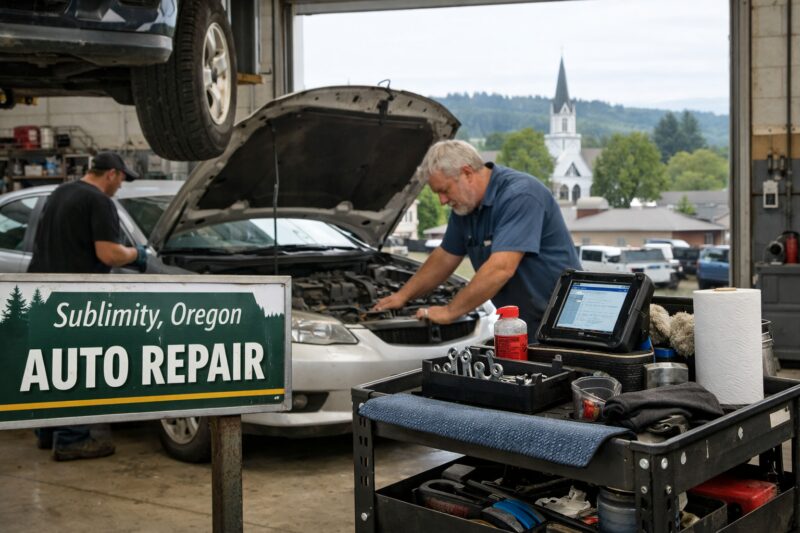
Before approving work, ask what the technician checked. Then ask what test confirms the repair. That might include a re-scan after a fix, a functional test of a system, or a road test verification. When those details are missing, it is harder to feel confident.
Reviews can help, but they need context. Some reviews praise friendliness but do not describe whether the diagnostic process was thorough. Other reviews mention clear estimates, fewer surprises, and confirmation steps. Focus on the review details that indicate reliability and accurate diagnosis.
NRT Offroad Performance is an automotive repair and off-road performance business serving Oregon drivers. That positioning matters because off-road use can create different wear and diagnostic priorities than a purely street-only vehicle. When a shop understands both, the repair plan can better match your needs.
Before approving, use a “questions to bring” checklist. Confirm what was diagnosed, what parts are replacing, and what verification you should expect after repairs. That keeps the process transparent and helps you avoid repeat problems.
Frequently asked questions about auto repair for all vehicle types in Sublimity, Oregon
Can NRT Offroad Performance repair both daily drivers and off-road vehicles in the same visit?
Yes. NRT Offroad Performance services common daily vehicle systems and also supports off-road use concerns like drivetrain stress and heat management that can affect components. During the diagnostic, the shop adjusts inspection priorities based on how you use the vehicle, not just the make and model.
What symptoms should I bring for a vehicle that won’t pass inspection or runs rough?
Bring details about what the vehicle does, when it happens, and any warning lights. Also note drivability changes like rough idle, hesitation, reduced power, overheating, or unusual vibrations. If you have recent repair invoices, bring them too so the diagnostic plan can build on what has already been attempted.
How much does auto repair cost in Sublimity, OR?
Pricing varies based on what the diagnostic finds and what repairs are approved. Diagnostic work is one part of the cost, and labor plus parts are another. A realistic range depends on severity, parts availability, and whether additional wear is found during disassembly, so you should request an estimate after the inspection.
How fast can I get auto repair in Sublimity, OR when I need help soon?
Timelines usually start with scheduling a diagnostic, then ordering parts if needed. Many repairs can be completed in stages as parts arrive, while intermittent issues may take longer to reproduce and confirm. If the vehicle is unsafe to drive, call promptly and describe the urgency so the shop can prioritize appropriate testing.
Do you offer estimates before repairs start?
Yes, you should expect an approval-first approach. After diagnostics, the shop provides an estimate tied to the proposed repair scope. If new findings appear during work, the shop should discuss changes with you before continuing.
What should I do if the check engine light keeps coming back after a recent repair?
If the light returns, the most likely cause is that the root cause was intermittent, incomplete, or misidentified. The best next step is a diagnostic approach that focuses on freeze-frame data and system behavior under load or heat. Bring documentation from the prior repair so the shop can see what was tested and what was not.
Can you help with brake performance problems on wet roads?
Yes. Wet-road brake performance complaints can involve more than pads and rotors. NRT can evaluate brake operation, fluid condition, related components, and also check for factors like tire wear or alignment issues that change how the vehicle stops on slippery pavement.
Will off-road driving affect alignment, suspension, or drivetrain wear?
Yes. Off-road use increases impacts, heat cycles, and suspension travel, which can shift alignment and accelerate wear. NRT can inspect suspension and steering repair needs, plus drivetrain-related concerns that show up after trail use, then suggest a maintenance plan that matches how you drive.
Are there repair options when the problem is intermittent and hard to reproduce?
Yes. Intermittent issues often need live-data checks and a test-drive reproduction plan rather than guessing. The diagnostic sequence may involve targeted monitoring and verifying behavior under the conditions that trigger the fault.
Do you work on different vehicle types like sedans, SUVs, and light trucks?
Yes. NRT Offroad Performance works on common vehicle categories such as sedans, SUVs, and light trucks. The diagnostics and repair approach stays consistent, while the inspection priorities can change based on your vehicle’s systems and how it is used.
Reliable auto repair for Sublimity, Oregon drivers starts with the right diagnostic visit
When you need Auto Repair Sublimity Oregon help for cars, SUVs, and off-road–capable vehicles, the best first step is a diagnostic visit that confirms the root cause. NRT Offroad Performance serves Oregon drivers from 41175 Cole School Road SE, Stayton, OR 97383, and supports people in Sublimity with clear repair planning and verification.
Your decision path is straightforward: book a diagnostic, get an estimate you understand, approve the repair scope, and confirm the results after the work. Because Oregon roads can create repeat symptoms through wet traction, tire wear, and pothole impacts, verification is what protects you from paying twice.
If your vehicle includes suspension concerns, ask about the repair plan details and any applicable suspension repair warranty terms. If you want the process to move faster, prepare symptom notes and use a quick checklist before booking so the intake is complete.
Ready to schedule? Call NRT Offroad Performance at 503-910-6294. Share your vehicle details, the symptom timeline, warning lights if any, and how the vehicle is used for commute driving and off-road time.
For background on emission-related warning lights and system checks, you can review EPA’s OBD guidance and for general vehicle service safety and consumer guidance, see NHTSA’s consumer resources. For best-practice diagnostic caution around automotive emissions-related codes, the EPA materials provide helpful context on how onboard systems relate to warning behaviors.
Updated November 2026