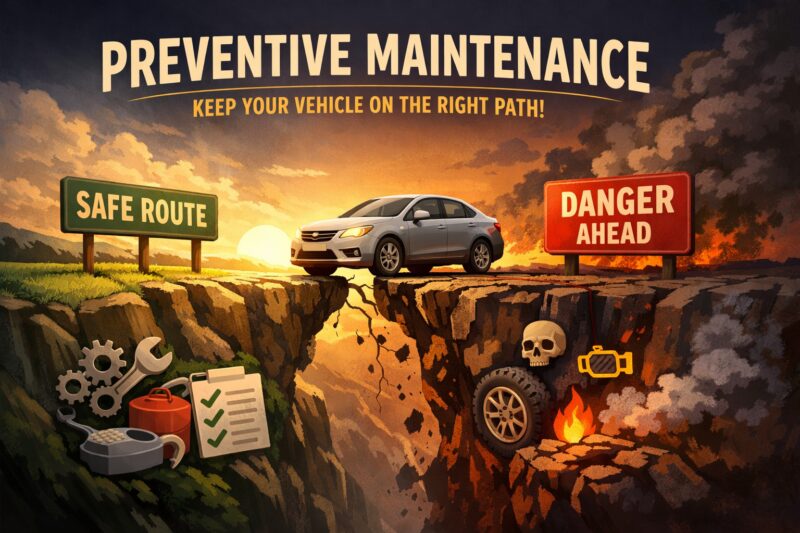
If you want fewer breakdowns and safer driving, you should treat preventive maintenance as a core part of ownership. The importance of preventive maintenance shows up in real life when small problems are found before they become roadside failures. It also helps you plan budgets, because you are paying for service stages instead of emergency repairs. Still, preventive maintenance is not a guarantee. Aging parts can fail without warning, especially after prior neglect.
In this guide, you will learn what to maintain, how to choose schedules, and how to avoid common traps. You will also see how maintenance protects safety systems, reduces total cost of ownership, and keeps your vehicle dependable. By the end, you will have a practical decision framework and a clear “next service” mindset for your car or truck.
Most manufacturers publish a maintenance schedule in your owner’s manual. However, your real driving conditions change the timeline. For example, short trips, road salt, and towing can accelerate wear. Therefore, the best plan starts with the manual and then adapts using inspection findings.
Preventive maintenance reduces breakdown risk and protects safety
Preventive maintenance lowers the chance of failures by catching gradual wear early. When you inspect parts at the right time, you prevent small faults from crossing a hard failure threshold. That matters because some safety issues do not feel serious at first.
Think about cooling system problems. A slowly leaking hose or a worn water pump can reduce coolant level over time. You may notice nothing until the engine runs hotter, and then overheating can happen quickly. Similarly, degraded brake pads can start as a faint noise or a longer pedal feel. However, worn brakes can reduce stopping power when you need it most.
Even tires show how risk builds gradually. Tread wear and uneven alignment can increase hydroplaning risk on wet roads. Also, sidewall damage can worsen under load without warning. Therefore, inspections should include both visual checks and measurements, not just “looks okay” assessments.
Preventive maintenance works like trend detection. Instead of reacting to one symptom, you compare what you measured last time to what you measure today. For example, a battery test may show decreasing cold cranking performance. As a result, you can plan replacement before a no-start incident. You reduce uncertainty, but you cannot eliminate it, especially with unusual driving or unknown prior care.
When it comes to safety-critical systems, measurements matter. Brake inspections often include pad thickness and rotor condition. Tire inspections often include tread depth and wear pattern notes. Lighting inspections should check function, aim, and bulb health. Seat belt checks should include condition and operation. Meanwhile, steering and suspension inspections should look for play, leaks, and abnormal wear.
A common misconception is that preventive maintenance only prevents “major” breakdowns. In reality, it also helps avoid chain reactions. For example, contaminated engine oil can accelerate internal wear. Then, worn bearings can damage other components and raise labor hours. Therefore, preventive work protects safety and reduces cascading damage.
A practical decision path helps you choose the right maintenance schedule
The best maintenance schedule balances manufacturer guidance with your real usage. Start with the schedule in your owner’s manual, then adjust based on conditions and inspection results. This approach supports the importance of preventive maintenance because it keeps service at the stage where it does the most good.
First, use the manufacturer’s schedule as the baseline. It reflects average driving and typical part wear rates. Next, adjust for your environment. Short trips keep engines from reaching full operating temperature. Extreme heat can stress cooling components. Cold winters can reduce battery capacity and change tire wear patterns. Road salt also increases corrosion risk on suspension parts.
You can apply a simple decision path. Inspect the vehicle, measure where possible, then decide what gets done now versus later. Document findings so future visits make sense. Finally, re-evaluate after service, and after seasonal changes.
Warning lights and scheduled service play different roles. Warning lights show current conditions. They do not always show the earliest wear stage. Schedules reduce the chance that you reach a warning state. Therefore, treat lights as signals, not as a substitute for timed inspection.
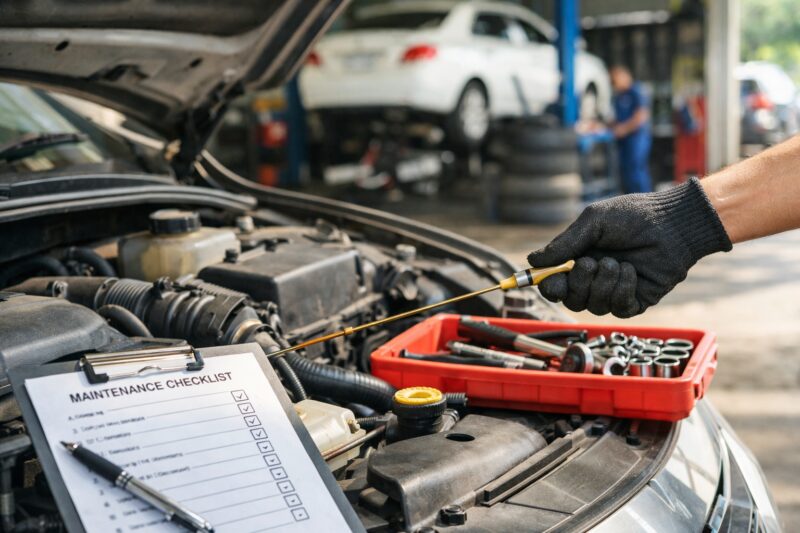
There is also “variant reality.” Two cars with the same year and model name can have different engines, transmissions, or drivetrain setups. In addition, prior maintenance history can change what wears first. If a vehicle has unknown service records, you may need a fresh baseline inspection early on. Otherwise, you might follow a schedule that assumes normal wear.
Edge case matters. If you tow frequently, brake and transmission wear can shift the timeline. If you drive mostly in dust, air filtration and fuel system care can become more important. Therefore, schedule decisions should be evidence based, not generic.
Maintenance tasks that matter most prevent failures across key vehicle systems
Preventive maintenance works best when you focus on high-impact tasks. Those tasks protect how the engine, brakes, tires, and electrical system perform. They also reduce the chance that one issue creates another.
Start with fluids and filtration. Engine oil, coolant, and transmission fluid carry heat and reduce internal friction. Over time, they pick up contamination. Therefore, preventive maintenance includes checking condition, levels, and leak signs. Technicians may use inspection notes and lab-style checks when available, or they may use simple tests like visual assessment and measurement of contamination indicators.
Next, handle brakes and related components. Brake wear is not only about pad thickness. Rotor condition, caliper function, and brake fluid moisture all matter. As a result, preventive brake service can prevent longer stopping distances and brake fade. Measurements such as rotor thickness trends and brake pedal feel can guide decisions. Also, replacing “by time” only can lead to under- or over-servicing.
Tires, wheels, and alignment also deserve attention. Tires prevent traction loss, and alignment prevents uneven wear. Uneven patterns can reveal problems like worn suspension bushings. Meanwhile, correct inflation and balance can reduce vibration and improve handling consistency. A good preventive approach records tread depth and notes wear direction, not just the tire brand.
Cooling and heat management is another core category. Belts, hoses, thermostat operation, and radiator condition affect temperature control. Therefore, preventive maintenance often includes inspection for cracking, swelling, and seepage. Coolant condition also matters because degraded coolant loses corrosion protection.
Batteries and electrical basics help you avoid no-start events. A battery can look fine while performance drops under load. That is why preventive checks may include a battery test and alternator output checks. Belt-driven charging components can also contribute, especially if you see tension issues.
Finally, suspension and steering keep the vehicle stable. Worn ball joints, worn shocks, or loose steering components can increase tire stress. Misalignment and play can also create vibrations. Those vibrations can feel minor at first, yet they can escalate if ignored. Therefore, it helps to treat small anomalies as inspection triggers.
Right service at the right interval is essential. Replacing parts too early can waste money. Replacing parts too late increases failure probability. Therefore, technicians should aim for evidence based decisions, such as measurements and tests, rather than assumptions.
Neglect can create cascading failures. For example, contaminated fluids can speed up internal wear. Misalignment can accelerate tire and suspension wear. Then, those worn suspension parts can affect steering response. Therefore, preventive maintenance should be systematic, not random.
When you look for a service plan, ask the shop how they document the process. A clear service narrative supports future decision making. Many owners find it useful to request a “scheduled service checklist” style report each. That kind of documentation also pairs well with a preventive maintenance inspection appointment early in your ownership.
Preventive maintenance protects your wallet by lowering total cost of ownership
Preventive maintenance reduces total cost of ownership by reducing expensive surprises. You pay for smaller repairs and routine labor instead of large, time-consuming failures. That balance often saves money even if preventive work has a clear upfront cost.
Cost is more than parts. Labor time matters, especially when technicians must remove multiple components. Also, emergency repair situations can lead to higher urgency pricing. In addition, delayed fixes can create secondary damage. For example, an overheating event can damage head gaskets or warp components. Fixing the early coolant leak is far cheaper than dealing with major engine repairs.
Maintenance also improves your ability to budget. If you schedule seasonal service, you can align tasks and avoid repeated shop visits. For example, combining tire-related checks with brake inspection can reduce duplicate labor. Therefore, preventive maintenance supports planning and helps you manage downtime.
There is a tradeoff. Some items are replaced by schedule even when their measured condition is still acceptable. That may be wasteful for your situation. Other items are better replaced sooner when tests show decline. Therefore, the best shops use inspection results to prioritize service.
Prioritization helps when budgets are tight. If funds are limited, focus on safety and preventable damage first. Brake and tire issues usually rank high. Cooling system issues also rank high because heat affects the whole engine. Then, address comfort and convenience items.
Preventive maintenance can also protect vehicle value. A documented service history often increases buyer confidence. It shows you did not ignore basic wear items. However, it cannot erase all depreciation. Cosmetic wear still affects value, and missing documentation limits how much buyers trust claims.
Edge case: if you keep a vehicle beyond what the manual assumes, wear patterns change. You might need more frequent checks even when schedules look “good.” For older vehicles, a baseline preventive maintenance inspection is often the most cost-effective starting point.
Common mistakes undermine the benefits of preventive maintenance
Several common habits reduce the value of preventive maintenance. They usually fall into two categories: skipping key inspection steps, or following schedules without regard to evidence. When owners do this, problems arrive faster and cost more.
The first mistake is treating preventive maintenance as “only oil changes.” Oil service matters, but many failures are unrelated to oil. Brake wear, tire aging, coolant degradation, and battery load tests still need attention. Therefore, an oil-only approach often misses the real drivers of breakdown risk.
Second, some drivers skip inspections because they feel fine. However, many issues develop silently. For example, a slow coolant leak may not show up as a warning light right away. Also, alignment problems may not cause a clear pull until tread wear becomes uneven. Therefore, inspections should not depend on how the car “feels” today.
Third, people ignore small anomalies. A vibration, an odd odor, a slow crank, or a minor pull can be early signals. Then, those signals can escalate once loads increase. For example, a vibration might begin as tire imbalance but could later point to worn suspension parts.
Fourth, using incorrect parts or fluid types can backfire. Different fluids have different properties, and mixing wrong types can affect performance. Also, parts that do not match the vehicle spec can wear faster or cause improper fit. Therefore, preventive work should follow manufacturer requirements.
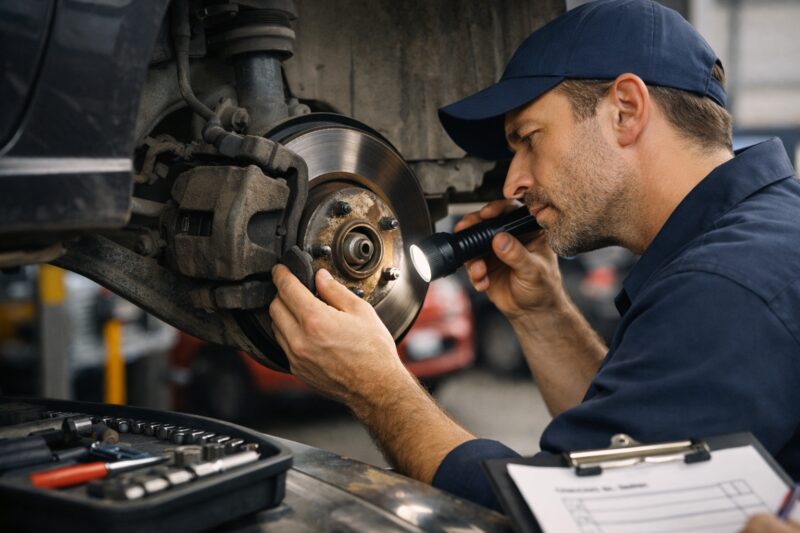
Documentation is another frequent issue. The paperwork trap is real. If you cannot show what was inspected, replaced, or measured, it becomes hard to plan future service. Future technicians also lack baseline data. As a result, they may repeat tests or recommend parts earlier than needed.
These mistakes often stem from time pressure and cost anxiety. However, they remove the “trend detection” advantage. Without evidence, preventive maintenance becomes guesswork rather than planning.
If you want to keep your process strong, ask for clear notes. Many shops can provide measurements and observations from a preventive maintenance inspection. In addition, they can use a scheduled service checklist format to keep visits consistent.
Where preventive maintenance happens affects what you actually get
The service approach matters because preventive maintenance depends on competence and documentation. A good shop does more than replace parts. It inspects, measures, reports, and helps you decide priorities.
Dealer service departments often use OEM parts and access manufacturer technical guidance. That can be useful for complex systems or model-specific issues. However, dealer pricing may be higher in some regions, and communication quality can vary by shop.
Independent mechanics can offer strong value when you find a team with real diagnostic skills. They may also explain tradeoffs more directly. Still, you should verify that they follow vehicle specs and use appropriate tests. Otherwise, you can get “replacement by schedule” instead of evidence based care.
DIY can work for tasks like basic fluid checks and simple visual inspections. It can also help with accessibility items like wipers and cabin air filter replacement, depending on the vehicle design. However, safety-critical tasks like brake work and suspension adjustments often require proper tools and torque specs. If those are wrong, the work can become unsafe.
When you choose where to service your vehicle, use clear selection criteria. Ask about how they verify condition and how they report results. Look for trust signals like before-and-after measurements. For example, they should explain what changed on brake thickness or battery test values.
Estimates can mislead if they are vague. Distinguish “necessary now” from “suggested soon.” Recommendations should tie to measurements and failure risk. For example, a tire with low tread should not be treated the same as a tire with good tread but minor uneven wear. The urgency should match the evidence.
Edge case: warranty or prior work. If your vehicle has warranty coverage or recent repairs, parts selection and documentation become even more important. You may need OEM components or specific installation steps to avoid complications later.
Edge cases change what you should maintain and when
Your maintenance priorities shift when your driving patterns differ from the average. Preventive maintenance still matters, but the “when” can change. Therefore, the same schedule can produce different results across vehicles and use cases.
Short-trip and urban driving can increase buildup and reduce fluid life. Engines may not reach steady operating temperature. That can contribute to fuel dilution in engine oil over time. Also, frequent start-stop cycles can stress components more than steady highway miles. As a result, you might need more frequent checks for fluids, battery health, and engine air filtration.
Extreme climate also changes priorities. Heat can accelerate rubber aging and stress cooling system components. Cold can strain battery capacity and make certain fluids behave differently. Road salt and humidity can increase corrosion risk on brakes, undercarriage, and suspension hardware. Therefore, preventive maintenance inspection should include rust and leak checks after seasonal exposure.
High-load usage adds another layer. Towing, roof racks, and frequent aggressive driving increase heat, load, and wear. Brakes and tires can degrade faster under high loads. Cooling demands increase, and transmission stress can rise depending on design. Therefore, maintenance timing may require adjustment based on severity and measured condition.
After a major repair or replacement, schedules can shift. For example, brake resurfacing or new pads may change how you monitor wear patterns. Cooling repairs may change the baseline for hoses, clamps, and coolant condition. Meanwhile, a battery replacement often improves short-term starting reliability, which changes how you prioritize next tests.
Vehicle history uncertainty is a key edge case for used cars. If you just bought the vehicle and the maintenance record is unclear, you need a baseline inspection. That preventive maintenance inspection helps you identify what is worn now, not what someone says was done before. Then you can build a schedule that fits the vehicle’s actual condition.
Tradeoff: baseline inspections cost time and money upfront. However, they often prevent expensive corrections later. Therefore, they are usually worth it for neglected or unknown-history vehicles.
How manufacturer schedules and real measurements work together
Maintenance schedules are the starting point, but measurements make them accurate for your car. The manual sets intervals based on typical conditions. Your real use changes the wear rate, so measurements help you adjust safely.
When technicians perform inspections, they can look for both condition and trend. Condition tells you what is happening now. Trend tells you if wear is accelerating. Therefore, two vehicles with the same mileage can need different service actions.
For example, brake pad thickness alone does not predict future wear exactly. Driving style, rotor condition, and caliper function change the rate of wear. Also, contamination from fluid issues can affect performance. Therefore, a good inspection connects measurements to a plan.
Similarly, tire replacement decisions should not rely only on calendar time. Tire age matters, but tread depth and wear pattern matter too. A tire with cracks from age but low mileage still has risk. Meanwhile, a tire with good tread but uneven wear may point to alignment or suspension problems.
Real-world application improves results. Keep your receipts and service notes. Then, re-check what changed after each repair. If a shop replaced a component, ask what the baseline measurement was. That makes it easier to judge the next interval.
Limitations exist. Some parts lack simple measurements. For those, inspection relies more on visual checks and functional tests. That is why a detailed report helps. If a shop only says “inspected,” you get less value than if they list findings and measurements.
For reference, many manufacturers cover routine maintenance concepts and interval reasoning in their owner documentation. For example, owners can review general service guidance through the resources provided by major automakers. Also, the National Highway Traffic Safety Administration provides consumer information on vehicle maintenance concepts and safety awareness. You can also see general guidance from NHTSA to connect maintenance to safety outcomes.
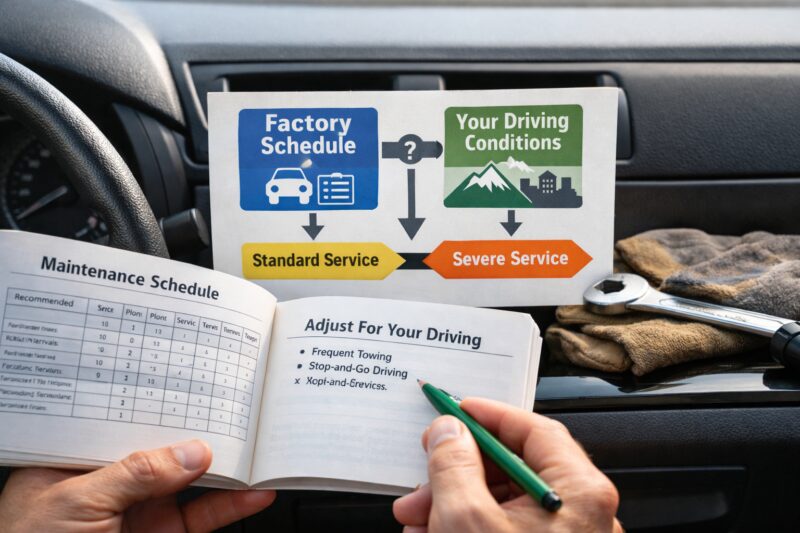
When you treat maintenance as a system, you reduce uncertainty. That is the practical heart of the importance of preventive maintenance.
How often should I do preventive maintenance on my car?
Use your vehicle manufacturer’s maintenance schedule as the main guide, then adjust for your driving. Short trips, towing, road salt, and extreme temperatures can shorten intervals. Prioritize safety items by measurement, such as brake pad thickness, tire tread depth, and battery test results.
What’s the difference between preventive maintenance and routine maintenance?
Routine maintenance is often fixed and recurring, like scheduled oil changes or filter replacements. Preventive maintenance is broader and more inspection-driven. It focuses on finding wear trends before they reach failure points.
Can preventive maintenance really prevent breakdowns, or is it just a cost?
It reduces risk, but it does not eliminate all failures. The real benefit comes from early detection, which lets you repair issues at serviceable stages. That also reduces the chance of secondary damage from delayed repairs.
What preventive maintenance should I do before a long road trip?
Start with tires, including tread depth and visible damage. Next, check brakes for performance, and verify fluid levels like coolant and windshield washer. Then check battery and charging health, plus critical lights and wipers. If you notice symptoms like vibration or overheating, escalate the plan to a shop inspection before you leave.
Do I need to follow the maintenance schedule exactly as written in the manual?
You should follow it strictly when you do not know your vehicle’s condition or service history. When you have evidence from inspections, you can adjust intervals based on measurements and usage. Also follow warning lights and prioritize urgent safety findings over calendar-only timing.
How do I know whether a recommended service is necessary right now?
Look for inspection evidence and measurable indicators, not vague timing. Ask what the measurement shows, and what failure risk exists if you wait. Many shops can explain whether an item should be monitored or replaced based on current condition.
Is preventive maintenance different for older vehicles with high mileage?
It is often more inspection-focused because wear accelerates as parts age. You may need a baseline preventive maintenance inspection first, especially after buying a used vehicle. Then prioritize safety and systems that affect temperature control, braking, and drivability.
What are signs that I’m overdue for preventive maintenance even if there’s no warning light?
Watch for vibration, slow cranks, burning odors, unusual noises, and inconsistent acceleration. Also check for tire wear patterns and fluid condition changes, like dark or contaminated oil. Misalignment and fluid degradation can develop without a warning light.
Should I do preventive maintenance myself or hire a professional mechanic?
DIY can work for accessible, non-critical tasks like visual inspections and fluid level checks. However, safety-critical tasks like brake work, suspension adjustments, and diagnostics often need professional tools. If you DIY, keep receipts and photos so you preserve service records.
How does preventive maintenance affect resale value and future repairs?
A documented service history can improve buyer confidence because it shows you addressed wear items on time. It can also reduce future uncertainty for repairs. However, limits apply if paperwork is missing or if records do not include what was actually measured.
Conclusion: preventive maintenance is your plan for fewer surprises
Preventive maintenance reduces safety risk, lowers breakdown likelihood, and improves the predictability of vehicle ownership. It works because you catch problems in the “early wear” stage instead of after a failure. That is why the importance of preventive maintenance matters to both safety and day-to-day budgeting.
Your best starting point is the manufacturer schedule. Then adjust using your driving conditions and measured findings, not just the calendar. Keep service records so future decisions are easier and more accurate.
When you book your next appointment, use evidence-based priorities. Review what is due next, and ask for a preventive maintenance inspection report with clear findings. If your shop offers a scheduled service checklist style summary, request it so you can track trends over time.
Finally, take action now. Look up your current interval in your owner’s manual, check what was last completed, and then book a service appointment or baseline inspection if your history is unclear. With that process, you turn maintenance into a reliable plan rather than an emergency reaction.
If you want help building smart service habits, consider pairing this maintenance mindset with your broader vehicle care routines. Many owners also benefit from organized record-keeping and consistent inspection notes that make future service decisions simpler. When you maintain clear documentation and measured findings, you protect both your safety and your budget through 2026 and beyond.
For readers who want deeper vehicle-safety context, review consumer guidance from NHTSA and general vehicle service concepts. Also, check guidance on maintenance planning from reputable owner resources. These references can support the same idea: preventive care improves safety outcomes and reduces unnecessary risk.
Updated September 2026