If you want your vehicle to stay reliable and safe, you should book comprehensive, end-to-end maintenance—not just routine refreshes. Look for car maintenance services that combine inspection, preventive work, and documentation. In 2026, modern vehicles also expect updated scan diagnostics, correct parts specs, and careful resets for systems after service. This guide shows what “comprehensive car maintenance services” should include, how to evaluate a provider, and what to ask before authorizing repairs.
What “comprehensive” car maintenance services should cover
Comprehensive maintenance means a complete vehicle health check, not a single shortcut service. A reputable provider connects what they , what the vehicle reports, and what the manufacturer recommends. That approach helps you prevent breakdowns and address safety issues before they become costly.
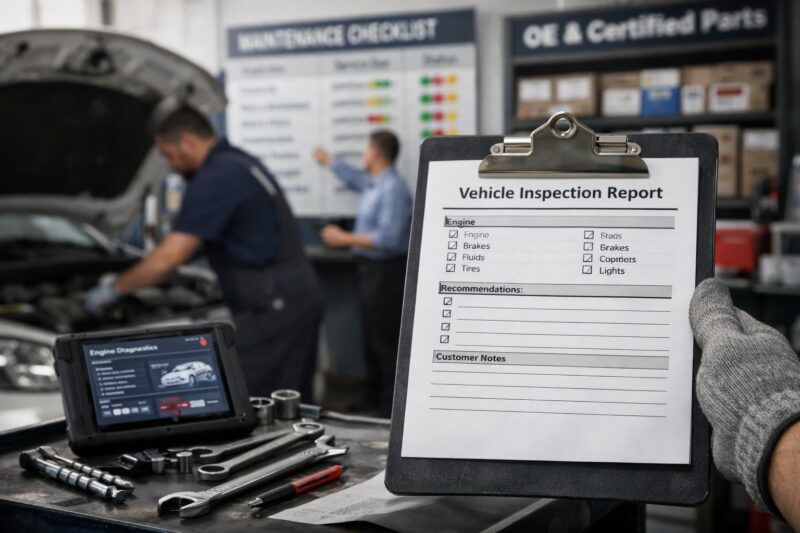
Most shops start with an inspection that covers wear and safety items, then layer in scheduled preventive tasks. Fluids, filters, belts, hoses, lights, wipers, and underbody checks are common parts of a full assessment. Brakes, tires, and suspension components receive extra attention because small changes can quickly affect control.
Where applicable, technicians also use diagnostic scanning to confirm concerns that a visual check can miss. Scan data can reveal sensor faults, misfire patterns, and readiness status for emissions-related systems. Still, a good process does not stop at reading codes. It validates findings through tests and inspections, then documents the evidence you can review.
Comprehensiveness also adapts to your vehicle and usage. A daily commuter faces different risks than a towing vehicle or a high-mileage SUV. A professional team should explain what fits now, what can wait, and what they will monitor next .
A reliable maintenance process you can evaluate before you book
You can judge a service provider by how clearly they run the maintenance workflow. A reliable maintenance process shows the inspection method, the findings, and the decisions tied to safety and reliability. It also makes approvals straightforward, so you know what work happens and why.
Start by asking what their first step looks like. Many providers begin with a structured inspection and then review results with you before any repairs. A strong service visit uses a clear documented approach and often includes photos or notes of concerns. This helps you see damage, wear patterns, and potential leaks rather than relying on verbal descriptions.
Next comes the estimate and authorization flow. You should receive itemized line items that separate diagnostic work, parts, and labor. If technicians discover additional issues mid-job, a trusted shop explains impact, urgency, and cost before proceeding. They should also track what was done and update your maintenance record.
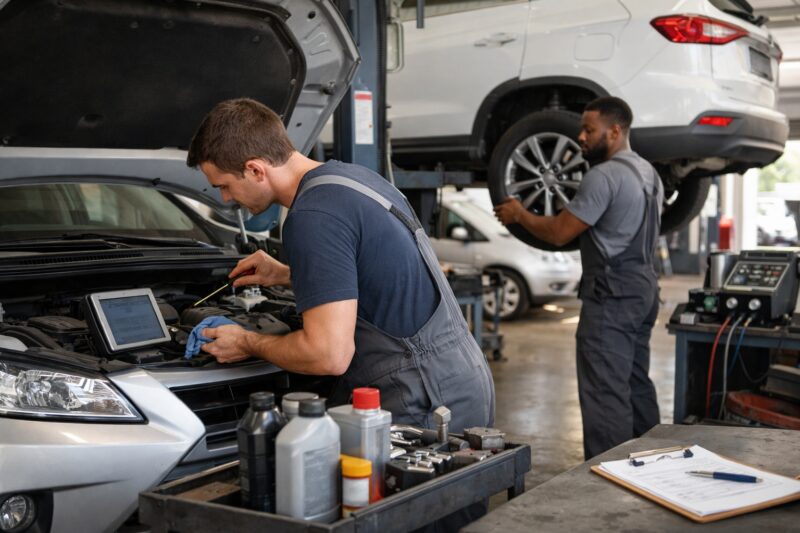
After repairs, good shops verify the outcome. That can include test-driving, re-checking the exact concerns you reported, and confirming the correct reset procedures where needed. You should also expect a written summary that ties each repair to the original findings.
One common mistake is assuming the process ends at “approved work completed.” In practice, re-checks prevent rework and protect safety outcomes. If a shop cannot describe what they verify after repairs, ask more questions or consider a different option.
Preventive maintenance schedules that match your vehicle’s risks
Preventive maintenance works best when it matches your driving conditions and your vehicle’s wear patterns. Many owners rely only on mileage, but time intervals and usage can matter just as much. A comprehensive plan considers both.
Professional schedules balance mileage and time-based needs. Short-trip driving can load fluids and wear components differently than highway travel. Extreme heat, cold starts, dusty roads, and frequent stop-and-go can also change what wears first. Shops should use your actual history and manufacturer guidance to choose service intensity.
A good shop also triages “now vs. later” with risk-based logic. If a belt shows cracking, that is not the same priority as a minor fluid dampness. Similarly, tires with uneven wear can point to alignment or suspension issues that affect braking and handling. The right plan sequences repairs to restore safety first, then reliability.
Parts selection can also shape preventive maintenance outcomes. Some providers prefer OEM-equivalent components because fit and specifications match the original design. Others may offer quality aftermarket options, but they should still meet the vehicle’s requirements. That includes correct specs for fluids, filters, and brake components.
A nuance many owners miss is “over-maintenance.” Replacing parts too early can waste money and still miss the true cause of symptoms. For example, repeated attention to a fluid or sensor without diagnosing a leak or cooling issue can lead to the same problem returning.
Safety-first diagnostics and repairs for long-term reliability
Safety-first diagnostics protect both you and your vehicle by confirming what actually needs repair. A shop that performs reliable diagnostics and safety checks should treat every recommendation as evidence-based. They should explain which symptoms they saw, what tests they ran, and what changed after repair.
Comprehensive care often targets the systems that control braking, steering, and visibility. Brakes include more than pad thickness. Tires require proper pressure setup and inspection of sidewall and tread patterns. Lighting and wipers get checked because reduced visibility can be a safety risk in rain, night driving, or fog.
Technicians then use a diagnostic workflow that avoids guesswork. They may review scan tool data, check live sensor readings, and inspect wear components directly. If a fault points to multiple possible causes, they should explain the likely paths and what they will test next.
Scan codes can also be misleading on their own. Some faults appear temporarily or as secondary effects from another issue. A strong shop handles false positives by validating with inspection and test results before recommending expensive replacements. That protects you from unnecessary parts and labor.
A common scenario is a check-engine light with vague drivability complaints. The correct approach compares symptoms with scan data, then checks related components like ignition parts, air intake conditions, fuel delivery indicators, and cooling system health as appropriate. This is where “comprehensive” truly shows up.
How to choose a provider for comprehensive car maintenance services
The best provider earns trust through clarity, consistency, and accountability. Choosing the right team should feel like you are evaluating a process, not just a price. With comprehensive car maintenance services, the quality of inspection and documentation matters as much as the repair itself.
Begin with basic credibility signals. Ask about shop licensing and insurance where relevant, and confirm technicians are experienced with your vehicle class. You can also look for transparency in how they present findings and estimates. A trusted provider should be able to describe their checklist, tools, and approach to verification after repairs.
Next, verify documentation quality. Good shops provide itemized quotes, state parts sourcing policies, and include before-and-after checks where possible. They should also clarify warranties or guarantees on parts and labor, and explain any coverage limits in plain language. If a shop cannot show what they found, it is harder to confirm the work you paid for.
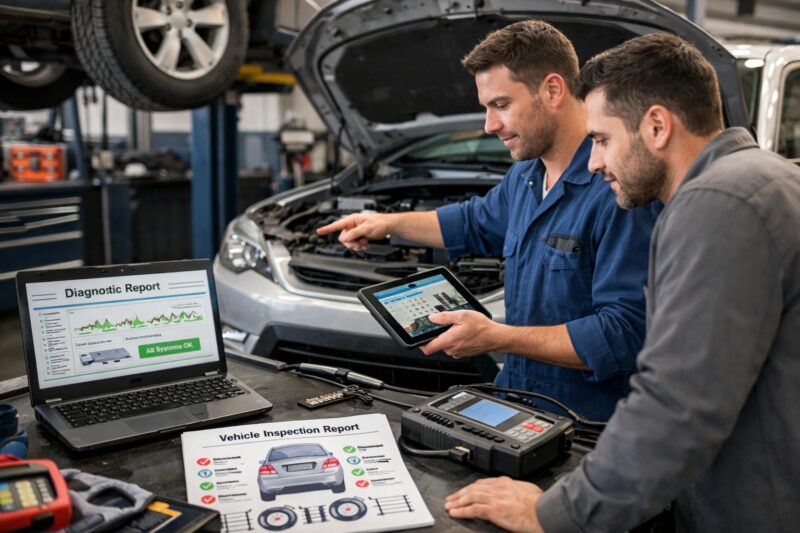
When you book, ask practical questions. What is included in the inspection? What is optional, and what requires your approval? How do they handle additional repairs discovered during the visit? A reputable shop will outline an authorization process and explain expected time windows for each step.
Watch for pricing patterns that do not align with the inspection findings. Estimates that ignore obvious safety wear can signal shortcut work. On the other hand, a too-cheap quote can imply missing checks or low-quality parts. This is a key part of trusted vehicle repair shop selection.
Options and service models for full-coverage maintenance
Full-coverage maintenance is available through multiple service models, and each model can fit different needs. You can choose an independent shop, a dealership service department, or a specialized fleet-style provider depending on your vehicle and priorities. The best option matches your need for documentation, parts access, and inspection depth.
Independent shops often offer flexible scheduling and detailed customer communication. Dealership departments can be strong for certain makes because they may have easier access to model-specific information. Fleet or wholesale-style providers can deliver consistent work patterns for high-volume vehicles, which can benefit businesses with multiple cars.
Some providers offer mobile inspection that gathers findings before you bring the vehicle in. Others support appointment-based “maintenance visits” with a full inspection and then follow-up repairs. If you value convenience, ask how they document findings and how they avoid missed items when switching from mobile to in-shop work.
The biggest risk when changing providers is inconsistent inspection standards. You can reduce that risk by ensuring maintenance records are transferable and by asking for the same categories of checks each. Request a comprehensive auto shop services checklist style summary so your next provider does not repeat work or contradict prior recommendations.
For consistency, ask how they handle parts fitment and installation specs. A reliable shop confirms the correct torque, fluid types, and any required system resets. That helps prevent rework and protects long-term reliability.
Common misconceptions that cause wasted money or unsafe repairs
Many problems start with simple misconceptions about what repairs fix and what symptoms mean. One misconception is that an oil change alone solves engine wear issues. Oil service matters, but it does not correct cooling system problems, ignition faults, or brake wear.
Another misconception is that warning lights always mean the same thing. A check-engine light can relate to emissions components, drivability issues, or sensor problems. It can also be a secondary result of another system failing. Waiting too long can turn a manageable issue into a bigger repair and can affect safety.
Owners also underestimate tires and alignment. Tires matter for stopping distance and handling, not just tread depth. Uneven wear can indicate suspension or alignment problems, and ignoring it can cause premature tire replacement and reduced control in wet conditions.
Incomplete inspections create another common failure mode. When shops skip underbody checks, they may miss leaks, corroded hardware, or damaged components. When they overlook cooling system health, small losses can become overheating and serious engine damage. A comprehensive inspection helps catch these patterns earlier.
A nuance many guides skip is “one-size-fits-all” maintenance. Some vehicles need more frequent attention to brakes or cooling than a generic schedule suggests. Risk-based prioritization is how real comprehensive service avoids wasted spending.
When your car needs maintenance outside the normal routine
Some situations demand a broader maintenance scope than routine intervals. After accidents or other repairs, components may shift or new faults may appear. Persistent drivability issues, repeated warning messages, or new noises also justify an expanded diagnostic and inspection approach.
Neglected or high-mileage vehicles often need a catch-up plan. The right order of operations restores safety first, then addresses reliability items that support smooth operation. A professional provider should start with a baseline inspection so they can identify what is urgent versus what can wait for later budgeting.
Certain usage changes also alter maintenance needs. Towing, heavy hauling, or frequent long-idle cycles can increase stress on cooling systems, transmission components, and battery charging. Even if you do not hit high mileage, these factors can accelerate wear. A shop should ask about your driving and explain how it affects your plan.
Intermittent problems can complicate maintenance. A shop may see codes that disappear and return, or symptoms that show up only under specific temperatures or speeds. Good providers handle this by confirming patterns with tests, not just parts replacement. They also document what they observed during the .
One practical edge case is “maintenance after service interruptions.” If prior work was delayed or undocumented, you may not know what was actually replaced or verified. Asking for written records and re-checking key items can prevent compounding errors and repeated labor.
Frequently asked questions about comprehensive car maintenance services
What should be included in a comprehensive car maintenance inspection?
A comprehensive inspection should cover safety systems, visible wear items, and a structured review of fluids and components. Many shops also perform diagnostic scanning where applicable to check for stored faults and system readiness. Expect the findings to be presented with clear explanations and a written summary you can review.
How much do comprehensive car maintenance services cost?
Pricing varies based on vehicle make and model, the scope of inspection, and whether repairs are needed. It also depends on how much diagnostic work is required and what parts specifications are required for your vehicle. Most providers will give you an estimate after inspection, so ask for itemized line items and any warranty terms before approving work.
How long does comprehensive car maintenance usually take?
Typical turnaround depends on whether it is inspection-only or inspection plus repairs. Inspection visits can often be completed within the same day in many cases, while repair-heavy visits may take multiple days depending on parts availability. For the most accurate timeline, ask for an expected range and a process for notifying you if work expands.
How do I know if I need repairs now or can wait safely?
A good shop prioritizes recommendations by risk, not by convenience. They should tie each “now” repair to safety impact, likely failure rate, and evidence from inspection or tests. You should also receive guidance on what symptoms to watch if you choose to defer any work.
Are car maintenance services the same for every make and model?
No, maintenance scope and intervals differ because manufacturers specify system-specific needs. A comprehensive provider uses your vehicle’s requirements and your driving conditions to tailor the plan. This is why two cars with the same mileage can receive different maintenance intensity.
Will a shop find and fix issues I haven’t reported?
It depends on the shop’s authorization rules, but a comprehensive inspection is meant to uncover issues beyond your top concerns. Technicians should separate what you reported from what they found during inspection. They then ask for your approval before performing repairs that you did not request.
How can I compare estimates from different providers fairly?
Compare itemized parts and labor, not just the total price. Look for the same repair scope, the parts specs or brands proposed, and what verification checks are included after the work. If one estimate lacks inspection notes or offers vague parts sourcing, treat that as a red flag.
Can I trust a diagnostic scan alone to decide what to replace?
A scan is a starting point, but it should not be the only basis for parts replacement. Technicians confirm scan data with visual inspection and targeted tests to ensure the code is not a secondary symptom. For intermittent faults, they may also check live readings and confirm conditions that trigger the issue.
What’s the difference between preventive maintenance and reactive repairs?
Preventive maintenance reduces the chance of failure by addressing wear before symptoms escalate. Reactive repairs fix confirmed problems that show up as symptoms or faults. Comprehensive car maintenance services blend both by using a schedule for prevention and diagnostics for confirmed issues.
How often should I schedule maintenance if I drive only occasionally?
Even with low mileage, time-based wear still affects batteries, tires, fluids, and seals. Many shops recommend inspection-focused visits at regular intervals to catch issues early. Ask your provider to include a battery and charging health check, tire condition review, and fluid condition assessment.
What results should I expect from comprehensive maintenance long-term?
You should expect improved reliability and fewer unexpected breakdowns, plus better safety confidence from verified repairs. Comprehensive maintenance also builds a clearer vehicle history, which makes future diagnostics faster and more accurate. Over time, that can reduce repeat labor and improve how efficiently systems run.
Ask for an updated estimate, the specific findings that triggered the extra work, and what safety risks apply. You should also ask whether the recommended repair is urgent or can be monitored. A good shop records your approval clearly and explains what happens next before proceeding.
Choosing the right next step toward dependable maintenance
Comprehensive car maintenance services deliver value when they combine a documented inspection, preventive maintenance, and validated repairs focused on safety and reliability. The process should feel checkable: clear findings, itemized estimates, consent before extra work, and post-service verification. That is how owners avoid paying twice for repeat problems.
If you want a practical way to shortlist providers, compare their inspection method and how they explain recommendations. Ask whether they use a comprehensive auto shop services checklist approach and how they confirm repairs after completion. This is where a fast accurate repair service center separates itself through communication and accountability, not just speed.
Before you commit, treat it as trusted vehicle repair shop selection. Use your questions to confirm their diagnostics approach and the evidence behind every recommendation. When you find a provider that offers reliable diagnostics and safety checks, you can plan future maintenance with fewer surprises.
If you are ready to act, call the shop you like best and request the scope details for your vehicle. A reputable provider will describe what is included, what is optional, and how they handle updates if new concerns appear. Then you can schedule with confidence and keep your maintenance history aligned for the long run.
Updated September 2026