If you need auto repair in Dundee, Oregon soon, this guide will help you choose the right shop and book the correct diagnostic path for your symptoms—so you understand pricing, timing, and what you’re authorizing before any work starts. When you search for Auto Repair Dundee Oregon, you’re usually making a “call now vs wait” decision, and transactional clarity matters: the fastest route to getting back on the road is a shop that diagnoses accurately, communicates honestly, and provides approvals in plain language.
In 2026, most vehicles (including newer models) rely on modern scan tools, sensor verification, and documented test drives to confirm root causes instead of “guessing” based on codes. You also should expect transparency around diagnosis fees, parts sourcing, and warranty terms, because the fastest way to avoid surprise costs is vetting the intake and estimate process up front. Use the checklist approach in this article to call efficiently, collect the right details, and confirm next steps before you approve repairs.
How do you choose the right auto repair shop in Dundee, OR?
The right auto repair shop in Dundee, Oregon is the one that diagnoses first, explains options clearly, and confirms your approval before they replace parts. If you pick based only on price or convenience, you can end up paying twice when the root cause was never verified.
Why it matters: in real life, the most expensive failures are often the ones caused by skipped checks—especially on electrical, cooling, drivability, and brake systems. A good shop treats “problem definition” as part of the service. They start with your symptoms, verify with technician-level inspections and test drives (or equivalent testing), then document what they found and what they recommend next. This approach aligns with consumer-protection expectations around clear communication of estimates and vehicle condition reporting, which is a consistent theme in guidance from Federal Trade Commission (FTC) and consumer repair resources.
How it works: when you call, you should expect a structured intake. The shop should ask about warning lights, when symptoms began, whether the issue is constant or intermittent, and what changed recently (maintenance, battery replacement, tires, towing, minor accidents). They should then outline a diagnostic plan—often including a scan for stored and pending codes, visual inspections of common failure points, and targeted tests that confirm likely causes. Practical application: if your check engine light came on during a specific drive pattern, a shop should incorporate that detail into the test sequence rather than running a generic “code read and send” workflow.
Tradeoffs and limitations: some shops advertise “same-day repairs,” but same-day outcomes can be either accurate diagnosis with readily available parts or a riskier rush to replace components. Intermittent problems are a classic limitation—an issue that disappears when the vehicle is in the bay may require careful road-test replication, technician notes, and sometimes time for verification. If a shop refuses to discuss the diagnostic path at all, that is a red flag because you cannot reasonably approve repairs without understanding what is being tested and why.
For quicker vetting, prepare the minimum info before you call: VIN, mileage, exact warning lights/messages, when the issue started, whether it is worsening, and any recent work. If you already have a “scan printout” from a parts store, bring it, but ask the shop to verify with their own process. A strong starting point is using an Auto Repair Shop checklist (https://nrtoffroadperformance.com/auto-repair-shop/) to guide your call and keep conversations consistent.
How do you request a diagnostic plan before approving Auto Repair Dundee Oregon work?
Before you approve repairs, ask for a diagnostic plan that states what will be checked first, what results they expect, and how those results lead to an estimate. This helps ensure your “diagnosis fee” is actually used to verify the root cause instead of ending at a code-reading stop.
Decision path (symptoms to authorization): start by mapping your symptoms into categories like safety risk (brakes, steering, overheating), emissions/drivability (check engine, misfire, limp mode), and comfort/handling (vibration, pull, suspension noise). Then shortlist shops that can handle your vehicle type and issue category. Next, request the diagnostic plan: what tests they’ll run, whether they’ll do a road test, and what they’ll do if the problem cannot be reproduced immediately.
“Good fit” for transactional users means competency plus clarity. Competency is often reflected in ASE-related standards, manufacturer training, and experience with your system type (brakes, transmission, hybrids, sensors). Clarity is reflected in documented intake, a stated approval process, and willingness to explain why they are not guessing. If a shop says “we can fix it same day” without confirming what they will measure first, that might be fine for simple wear items—but it is risky for intermittent drivability, cooling contamination, or electrical faults that require verification.
Practical application: before calling, collect details the shop needs to plan diagnostics. Include VIN, mileage, warning lights, when the symptoms started, any recent maintenance, tire changes, battery replacement, and whether the vehicle feels normal when cold versus warmed up. If the issue is intermittent, note driving conditions when it appears (speed range, temperature, after turning the steering wheel, after braking, or only at specific RPM). A helpful next step is to use an Auto Repair Near Me checklist (https://nrtoffroadperformance.com/auto-repair-near-me/) to structure what you say on the phone and what you ask for in writing.
Tradeoffs: good diagnostic shops may take longer than “parts replacement” shops because they verify before committing money. That delay can be worth it—if the shop finds that the code indicates a symptom (like a misfire triggered by fuel pressure) rather than the failed component itself. A shop that refuses to guess and instead diagnoses first is often acting in your best interest, not blocking progress.
To avoid surprise costs, ask: is there a diagnostic fee, what does it include (scan, inspection, road test, teardown checks if needed), what hourly rate applies after diagnosis, and what is the approval process if additional findings appear. Also confirm how they handle uncertainty: do they provide “test-first” options and let you authorize each step?
What auto repair services do Dundee drivers actually need most often?
The most common auto repair needs in Dundee typically fall into safety-critical maintenance (brakes, cooling, tires), emissions and drivability diagnostics (check engine lights, misfires), and wear/handling issues (suspension, steering alignment). A shop that prioritizes troubleshooting correctly can prevent repeat callbacks and reduce total cost.
How this should work: a good shop prioritizes safety first and then verifies root causes. Codes do not equal diagnosis. For example, a brake warning light can be triggered by a sensor, low fluid, a hydraulic issue, or a wiring problem—each requiring a different test sequence. For cooling concerns, a shop should verify leak sources and confirm whether thermostats, fans, pressure caps, and hoses are behaving correctly under real temperature conditions. For suspension and alignment concerns, a “steering wheel pull” complaint can be tires, toe/camber settings, worn bushings, or even brake drag—each with different checks.
Practical application by category: when a driver asks about check engine diagnostics, the shop should scan not only stored codes but also readiness status, freeze-frame data, and any pending codes to understand conditions when the fault occurred. For transmission concerns (shudder, slipping, delayed engagement), a responsible shop checks fluid condition and type, verifies for software issues if applicable, and evaluates whether the symptom matches internal wear versus external factors (like low fluid level, torque converter issues, or mounts affecting driveline vibration). For suspension/alignment, they should perform measurements and inspect related components (ball joints, control arm bushings, sway links) before recommending alignment changes alone.
Tradeoffs and limitations: intermittent problems are the biggest challenge—something that comes and goes may not present during a brief inspection. Good shops handle this by documenting conditions carefully and correlating them with test results. For example, if misfires happen only when accelerating in a higher gear, the shop should replicate load conditions during a road test and note when symptoms occur relative to sensor readings. They should also be clear about whether parts removal is unavoidable for certainty or whether they can verify with measurements first.
Real-world scenario: a customer reports vibration under load. A rushed approach might replace a wheel balance weight or brake rotor. A better approach tests tire/wheel condition, checks for uneven wear, verifies brakes for drag, inspects engine/transmission mounts, then checks driveline components. Before authorization, the shop should share what they found and why it points to a specific repair path, not just present a bill afterward. If you want reliable communications throughout, also review the Auto Repair Amity Oregon support page (https://nrtoffroadperformance.com/auto-repair-amity-oregon/) as a model for how to structure service questions and document findings.
Example outcomes you should receive before authorization: a summary of preliminary inspection findings, which tests they ran, what the results indicate, and what symptoms they can/cannot reproduce. You should also get a clear statement of what changes after repair and what evidence will confirm success.
How do pricing and estimates work for Auto Repair Dundee Oregon?
To get an accurate quote for Auto Repair Dundee Oregon, you need to separate diagnosis from repair authorization and require line-item clarity. A reliable shop will explain what the diagnosis fee covers, how labor is estimated, and what parts/warranties apply before you approve work.
First, understand the terms: an estimate or quote is typically a pricing expectation based on inspection and assumptions. A diagnosis fee is payment for time spent identifying the root cause. The key is that a diagnosis fee should lead to an authorization decision. If a shop asks you to approve a large repair before they have verified the cause, you should ask why diagnostic verification is being skipped.
Without guessing exact Dundee-area pricing, here’s what a transparent draft should discuss. You should expect labor hours to be tied to a documented scope, diagnostic time to be itemized or clearly described, and parts choices to affect total cost. Parts sourcing affects price and warranty: OEM parts usually carry the strongest fitment assurance, aftermarket can be quality with the right brand standards, and used/refurb parts may reduce cost but require clear disclosure about warranty coverage and testing. Your safest approach is to ask what parts standard they use and what you’re covered for if the repair does not fix the issue.
Line-item clarity matters: labor time, diagnostic time, parts, applicable fluids, taxes/fees, and disposal should be explained. You should also understand what is “optional”—for example, whether a fluid service is recommended due to test results or simply suggested as a general upsell. With ethical “while-you’re-here” add-ons, a good shop explains necessity based on wear measurements, inspection photos, or specifications, then asks for separate authorization.
Tradeoffs and how to compare two quotes fairly: compare like-for-like scopes. If one quote includes diagnostic verification and another simply lists parts replacement without confirming the cause, they are not comparable. Ensure both quotes use the same parts quality standard and similar assumptions about labor time. If one quote includes additional checks (like verifying related sensors, verifying cooling system behavior, or inspecting connectors), the difference may be justified even if the total number is higher.
| Document | What it means | What to look for | How it affects your bill |
|---|---|---|---|
| Estimate | Expected cost based on initial inspection/assumptions | Stated scope, parts quality standard, listed unknowns | May change after diagnosis/inspection |
| Quote | Price expectation for an agreed scope | Line-item labor/parts, exclusions, authorization steps | Should be closer to final if scope matches |
| Diagnosis fee | Payment for identifying the root cause | What tests are included, max time, documentation provided | Often separate from repair labor/parts |
| Warranty terms | Coverage for parts and workmanship after repair | Duration/mileage, exclusions, reinspection process | Can reduce repeat-cost risk |
What common mistakes and misconceptions lead to expensive auto repair?
The most expensive auto repair mistakes come from authorizing work without verification, misunderstanding what warning lights and codes represent, and choosing solely by lowest price. The goal is to match your approval to documented findings and a sound diagnostic workflow.
Why this matters: many vehicles show “symptoms” that trigger codes but the failed component is downstream or upstream of what the code names. For example, a check engine light might appear due to a misfire, but the root cause could be fuel pressure, a wiring/connector issue, an ignition component, or even an air intake leak. Brakes are another common misconception: a worn pad set is straightforward, but a repeated brake vibration or pull could be rotor condition, caliper slide issues, hub corrosion, or alignment problems.
How it works when mistakes happen: shops that skip verification may recommend component replacement that does not resolve the problem. A misdiagnosis often happens when the shop fails to conduct basic checks like verifying fluid condition, testing electrical grounds, checking for vacuum/boost leaks, or verifying coolant behavior. Intermittent problems are particularly vulnerable—if the shop does not document conditions and does not attempt replication, you can end up with the same complaint returning.
Common mistakes that transactional users make include ignoring service history. If you have records showing a recent battery replacement, alternator work, or fuel system service, mention it. Electrical faults often have “history clues,” and missing context can waste diagnostic time. Another mistake is authorizing without asking what is included: diagnosis-to-repair approval should be explicit, and you should be clear whether a teardown is planned or whether they will test first.
A deeper insight: coupon traps. Limited-scope offers may include basic inspection but exclude diagnostic verification, related components, or the time needed to reproduce intermittent failures. Treat “cheap intake” as a starting point only—confirm what the coupon covers and what it does not. If a shop uses unclear wording like “we’ll check the light,” ask what “check” means in terms of tests and documentation.
Practical guidance for documentation: request photos of worn components when relevant, ask whether they retain old parts for review, and if applicable request before/after measurements (brake thickness, rotor condition notes, alignment specs, coolant test results). That evidence helps prevent repeat callbacks and supports warranty discussions if a problem returns.
What repair options should you consider besides “just fix it”?
Besides simply fixing the symptom, the best auto repair decision is usually about choosing the right service category for your vehicle, budget, and risk tolerance. Dealership service, independent shops, mobile repairs, and specialty providers each have tradeoffs in speed, diagnostic depth, and parts sourcing.
How to choose the best category: dealership service often excels when you need OEM-specific procedures, recalls-related work, or highly model-specific updates. Independent shops can be faster for many repairs and often offer strong diagnostic value at a competitive labor rate. Specialty shops can be ideal for brake-only or transmission-focused issues because technicians may concentrate on fewer systems and develop deeper patterns in troubleshooting.
Mobile mechanics can be convenient when access is limited or for simpler issues, but they may be limited by equipment, lift access, and test capabilities. For modern vehicles with complex electrical/diagnostic requirements, some mobile setups may still succeed—but you should ask whether they use up-to-date scan tooling and whether they can perform verification steps like road testing under load.
Parts strategy matters: choosing OEM versus reputable aftermarket depends on fitment requirements and warranty coverage. OEM may be critical for sensors, control modules, and safety-critical components where calibration or fitment precision matters. Aftermarket can be a good value when quality standards and warranty terms are clear. If you choose used/refurb components, ask what testing verifies the part’s condition and whether there is a realistic warranty period.
Repair now versus monitor: sometimes the correct decision is to monitor. If a code is present but the vehicle remains safe and drivability is normal, a shop might recommend short-term monitoring with inspection intervals. But urgency triggers exist: overheating, brake warning lights, power steering failure, severe steering pull, major fuel leaks, or progressive driveline vibration should not be treated as “wait and see.” A well-run shop should help you decide based on risk and urgency, not pressure.
Modern diagnostics are an important differentiator. Some shops require current scanners and procedures because hybrid/electrical systems often need specialized reading of modules beyond a basic code pull. If your vehicle is equipped with advanced systems—even if it is older—ask whether the shop will verify with the correct diagnostic steps. A shop that can explain this clearly is more likely to prevent repeat work.
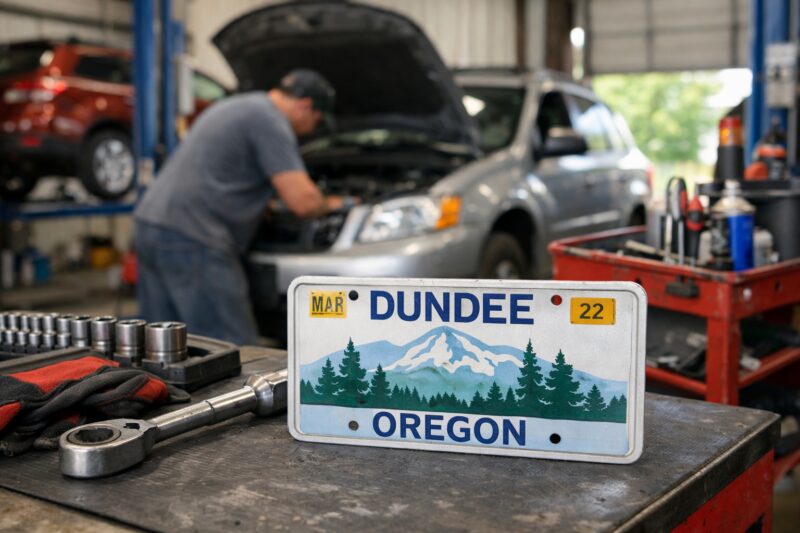
Best-fit mapping (real-world): if you have a simple brake pad/rotor wear issue, an established independent shop or brake-focused specialty might be efficient. If you have a persistent transmission slipping complaint, a transmission-centered shop with a strong inspection-to-authorization process may reduce wasted labor. If you have a check-engine light with intermittent misfire under load, seek a shop that emphasizes verification and documentation, not just component replacement.
What advanced edge cases can change cost, safety, and turnaround?
Edge cases like hidden rust, frozen fasteners, coolant contamination, electrical grounding faults, or worn mounts can change both the cost and the timeline of a repair. When you encounter these situations, the best shop is the one that communicates uncertainty early and still insists on verification before you spend.
How these cases affect scope: rust can turn “easy” brake or suspension service into a multi-step job requiring additional parts and time to safely remove components. Frozen fasteners can add labor hours and require alternative strategies, and that often becomes visible during disassembly. Coolant contamination (from a failing gasket or head-related issue, for example) can widen the scope from a simple hose replacement into a more involved repair that requires proper cleaning and verification. Worn mounts can alter sensor readings or create driveline vibration patterns that mimic wheel or brake problems.
Transmission edge case: a drivability complaint may look like a transmission fault, but it can be related to mounts, driveshaft balance, or even torque converter behavior influenced by fluid condition. A careful shop will test related systems, verify fluid service history, and document the observed symptoms before authorizing a major teardown. Drivability edge cases like vibration under load, steering pull, or intermittent misfire require test protocols that mirror the conditions when the problem occurs.
Repeat failures should be handled with a reinspection process. A good warranty claim experience includes: reinspection, review of prior documentation, and clear explanation of whether the original cause was verified and whether related components should be checked. What to ask for if you’re worried: ask what evidence supports the original diagnosis (photos, measurements, test data) and how they’ll confirm the new fix. If they only say “we replaced the part again” with no reinspection plan, that is a common failure mode.
Communication objections: when a shop refuses to proceed without additional diagnostics, interpret it correctly. For example, if you ask them to replace a part but they explain that the symptom could be caused by multiple systems and the code does not prove the failed component, that refusal can be a positive sign. It often prevents unnecessary parts replacement. The limitation is when the shop is unwilling to communicate at all; you should expect a rationale and a next step, not just a refusal.
Timelines and logistics: diagnosis-first work can take longer than “parts availability-first,” but it reduces rework. Parts availability can also impact turnaround—especially for OEM parts, specialty items, and less common components. If your vehicle must stay overnight, ask what the shop needs from you and whether they will provide a status update timeline. Plan transportation if needed, and request a clear update schedule so you are not guessing.
When you’re searching for reliable Auto Repair Dundee Oregon Services, the best results often start with preparation. A good Auto Repair Shop checklist helps you confirm the basics before work begins, from basic diagnostics to how parts and labor are documented.
Choosing an experienced shop means you can ask questions and understand the process without feeling rushed. Using an Auto Repair Shop checklist can also help you keep track of estimates, warranty details, and any follow-up recommendations after repairs are completed.
After the initial assessment, it’s normal to wonder what happens next and how long the service might take. Many drivers find it easier to move forward when they know what to expect at each step, especially when the shop is organized and transparent.
Top 10 questions about Auto Repair Dundee Oregon (transactional FAQ-style guidance)
You can reduce repair risk quickly by asking the right questions before authorizing work. Below are the most useful questions to confirm diagnostic process, cost transparency, parts standards, and turnaround expectations for Auto Repair Dundee Oregon needs.
When these questions are answered clearly, you can confidently compare shops, understand diagnosis fees, and avoid surprises. If any shop refuses to answer or provides vague responses, that is useful information. The goal is not to “trap” a mechanic—it is to ensure the repair is matched to the verified cause.
Use this mini checklist as you call. If you need help structuring your script, the Auto Repair Near Me checklist (https://nrtoffroadperformance.com/auto-repair-near-me/) can help you keep questions consistent across multiple shops.
FAQs about Auto Repair Dundee Oregon
How do I choose the best auto repair shop in Dundee Oregon for my car?
Choose a shop that clearly explains its diagnostic process, provides a repair authorization step, and documents findings before replacement work begins. Ask whether they use up-to-date scanning and whether they do inspections plus road tests when drivability is involved. Confirm their parts/warranty standards and whether they can handle your vehicle’s make and system type. A quick call checklist makes it easier to compare shops consistently.
What should I ask before approving an auto repair estimate in Dundee OR?
Ask what the estimate includes and what is excluded, including diagnostic fee coverage and any maximum test time. Confirm the labor rate, parts standard (OEM vs aftermarket), and whether parts include a warranty. Also ask how “authorization” works if they discover additional issues mid-repair, so you do not approve work implicitly. Request line-item clarity for labor, parts, fluids, taxes/fees, and disposal where applicable.
Is it better to get OEM or aftermarket parts for auto repair in Dundee Oregon?
OEM parts can matter most for sensors, control modules, and components where fitment precision and calibration depend on manufacturer specifications. Reputable aftermarket parts can be a good value when the shop verifies fitment and provides clear warranty terms. If you prioritize lowest cost, ask what standard the aftermarket parts meet and how warranty coverage works if the part fails. In all cases, avoid approving without understanding the parts source and coverage.
How much does auto repair diagnostics cost in Dundee OR?
Diagnostic pricing varies based on the scope of testing, but the key is whether the fee leads to root-cause verification and a documented plan. Ask what diagnostics include (scan, inspection steps, road test, and follow-up checks) and whether there is a maximum time before you get results. A good shop connects diagnostic outcomes to repair authorization, rather than stopping at a code reading. If the diagnostic fee is waived with approval, confirm the terms in advance.
Can a shop fix my car the same day, and what are the tradeoffs?
Same-day repairs are realistic when the issue is straightforward and parts are available, like many brake or battery-related service cases. The tradeoff appears when the shop skips verification for more complex intermittent faults or electrical problems. Ask what tests they will complete before claiming “fixed.” If they cannot reproduce the issue, they should explain what changes in the plan to avoid repeat failure.
Why does my check engine light stay on after repairs?
Sometimes the code clears but the light returns because the underlying cause was not resolved or because the repair did not complete the expected verification. Some systems require readiness monitors to complete before the light fully clears. Ask for a re-scan result and whether the shop verified the root cause conditions, not just code removal. If the vehicle still drives normally but the light persists, request documented next steps or warranty support.
What is the safest way to handle brake repairs that need immediate attention?
Treat brake-related warning lights, low brake fluid signals, grinding noises, or pulsation under braking as urgent. A safe shop should inspect pads/rotors, check caliper function and brake hydraulic condition, and verify the issue with measurements and a controlled road test when appropriate. Ask for before-and-after evidence like pad thickness and rotor condition notes. Confirm what symptoms should improve after repair and what to do if they do not.
How do I compare two repair quotes without getting misled?
Compare quotes only after confirming they cover the same scope, using the same parts standard, and assume the same diagnostic findings. Ask whether each quote includes diagnostic verification time or teardown checks if needed. Watch for differences in labor hours, parts equivalency (OEM vs aftermarket vs used), and exclusions. If one quote is cheaper but vague, it may omit the checks that prevent repeat work.
What should I do if I’m worried the repair shop might be overcharging?
Request an itemized estimate and written explanation of diagnosis findings before authorizing. Ask for documentation such as photos of worn components, retained parts policy, and any measurements related to the complaint. If something feels unclear, get a second opinion focused on diagnostics rather than just replacement parts. Staying calm and specific helps you evaluate transparency without creating conflict.
You can authorize add-on work if the shop explains why it is necessary based on inspection findings and if it is clearly separated from the original scope. Ask whether the add-on affects safety, longevity, or labor efficiency due to already-disassembled components. Require separate authorization for items you did not request. If the shop discovers something new, they should provide evidence and a clear approval step.
What questions should I ask for transmission repairs in Dundee Oregon?
Ask what symptoms they are diagnosing (slip, delayed engagement, shudder, harsh shifting) and how they will verify fluid condition and drivability behavior. Confirm whether they will check service history and fluid type, and ask whether they use diagnostic scan data relevant to transmission control. Ask what the repair scope includes and whether they recommend related services only if evidence supports it. Finally, confirm warranty terms for both parts and workmanship and what reinspection looks like if the problem returns.
2–3 real external sources to consult if you want broader repair-rights context: Federal Trade Commission (FTC) for general automotive repair guidance, NHTSA for safety recalls context, and EPA for emissions-related background on vehicle systems. These can help you understand what “reasonable communication” and safety priorities look like across repairs in the United States.
Conclusion: choosing Auto Repair Dundee Oregon should be a decision based on documented diagnostics, like-for-like quote comparisons, and repair authorization tied to findings—not pressure. The three themes to remember are: vet the diagnosis process, compare estimates with aligned scope and parts standards, and authorize repairs based on what the shop verified. Then take an immediate next step: gather your symptoms and VIN, call two local shops, and ask the questions from this article to confirm diagnostic plans, fees, warranties, and timelines.
If brakes, cooling, or major drivability issues are involved, prioritize safety-first decision-making and do not delay diagnostics. Contact/compare local shops now, and if you want, use the provided checklists to review what to ask and how to interpret estimates without getting misled.
Updated May 2026