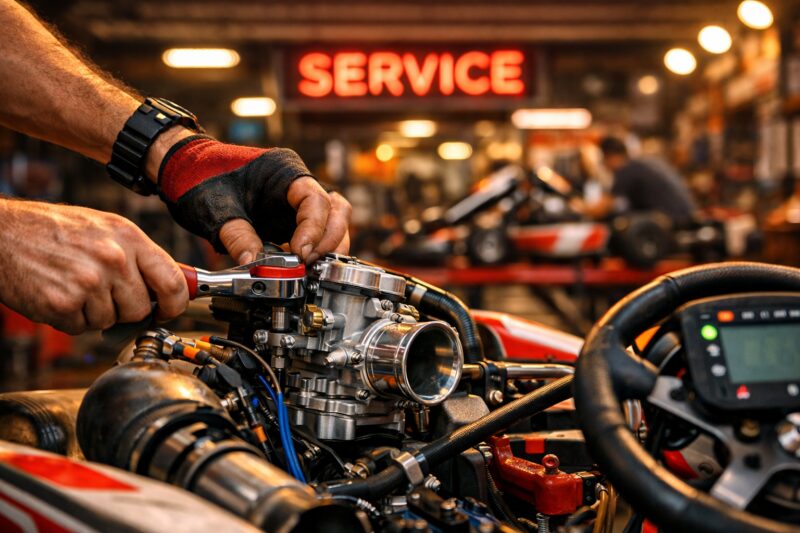
When you search Go Kart Service Near Me, your next step should be to call two or three nearby shops with the same short question set so you can confirm safety, scope, pricing structure, and turnaround in one day. This matters because kart issues are safety-critical, DIY guesswork can waste money on the wrong parts, and inconsistent maintenance/workmanship can create repeat failures on the track.
In other words, don’t “research for weeks.” Use this quick checklist to navigate from local search results to a confirmed diagnosis plan and written estimate. You’ll learn exactly what details to collect, what to ask on the first call, how to decide yes/no/ask more, and how to avoid mismatched service.
Go Kart Service Near Me: Quick Checklist to Identify the Right Provider Fast
If you want the best local option quickly, run a structured intake checklist before you book. The goal is to choose a provider that can diagnose correctly, justify recommendations, and document work clearly—not just complete a basic tune-up.
Why this matters: kart failures are often interconnected (fuel delivery affects power, power affects driveline load, and worn brakes/clutch can mask what’s really going on). A shop that shortcuts diagnosis may “replace parts until it runs,” which can waste money and still leave intermittent or safety issues unresolved. A careful provider will separate diagnosis from labor, explain why a service is needed, and show test results after repair.
How the checklist works in practice: before contacting any shop, gather your kart’s model/brand, approximate age, engine type (2-stroke/4-stroke), and the exact symptoms (for example, “bogs under throttle,” “won’t idle,” “vibrates at mid RPM,” or “rear brake drags”). Then ask the shop how they approach diagnosis vs flat-rate work, what their process timeline looks like, and how they update estimates if additional problems appear.
Here’s a fast way to compare providers. Call each one with your symptoms and your parts/safety concerns, then score the answers using a simple decision rule:
- Yes: they can explain diagnosis steps, quote a diagnosis fee or diagnostic window, and offer a written scope + warranty terms before disassembly.
- No: they refuse to document findings, won’t confirm parts compatibility, or pressure you to approve work without explaining why.
- Ask more: they give only vague pricing, can’t confirm turnaround, or mention “inspection later” but can’t say what the inspection includes.
To support your planning, you can also follow a reliable rides maintenance checklist so your questions match what’s actually monitored during service. If you’re trying to solve a specific performance concern, start by pointing the shop to what you want fixed and ask whether they include engine service for performance when appropriate. And if you need a quick, well-scoped repair after an inspection, look for fast, reliable kart fixes rather than “guaranteed speed gains.”
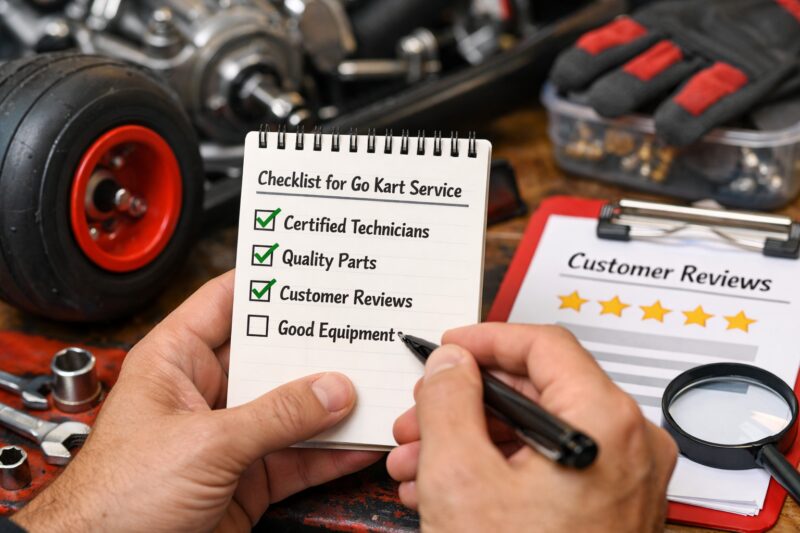
Real-world scenario: a kart that “cuts out when hot” is often a fuel delivery or ignition heat-soak issue, not necessarily a dead carb. A provider who asks targeted questions (fuel pressure/flow, spark condition, choke behavior, air leaks, and temperature-related symptoms) is more likely to catch the root cause than one that recommends a default carb rebuild immediately.
How to Choose a Nearby Kart Repair or Maintenance Shop (Decision Path)
To choose a nearby shop without losing time, follow a shortlist-to-schedule decision path that verifies safety standards and clarifies scope before work begins.
Start with a shortlist: use your ZIP/city radius search, then select 3 providers you can reach quickly by phone. Next, verify by asking about safety practices, technician qualifications, and what equipment/tools they use for diagnosis. Finally, confirm the scope of service and warranty terms before scheduling so you do not get surprised by “extra issues” discovered after disassembly.
Practical application: many shops will handle basic maintenance well, but kart repairs differ from car work because tolerances, sprocket ratios, clutch specs, and track-driven loads matter. When you contact a shop, ask how they perform inspection and test procedures. For example, “Do you run a test/load check after brake or clutch replacement?” or “Do you verify fuel delivery and idle behavior after tuning?” This is the difference between a repair that looks good and one that survives repeated heat cycles.
Deeper insight: the tradeoff between faster turnaround and thorough troubleshooting is real. If you have an intermittent stalling problem, staged testing may take longer (cool-down vs heat-soak test, then repeat under load). The best providers explain why staged checks are needed rather than claiming a “quick fix” with no evidence.
Common mistake: confusing “mobile availability” with “full diagnostic capability.” A mobile tech may be excellent for fast checks (leaks, basic tune verification, battery/coil tests when accessible), but certain safety inspections (chassis alignment checks, full brake system teardown, torque verification at multiple points) may require a shop. Set expectations early: ask what they can do onsite and what requires bring-in service.
If you need a structured method to evaluate work you receive, you can align your process with a before your next repair planning approach. The key is not just choosing “the closest” option, but choosing the provider whose process matches the failure mode you’re seeing.
Edge case: if your kart has recurring driveline failures (clutch slip, sprocket wear, chain tension issues) after prior service, insist on a root-cause review. Ask whether they check clutch engagement settings, chain alignment, hub condition, and torque specs—otherwise you risk repeating the same failure with a new part.
What to Ask Before Booking: Questions That Prevent Mismatched Service
Before you book, ask questions that force clarity on diagnosis vs replacement work, pricing structure, and how findings are documented. This prevents mismatched service and surprise approvals.
Start with a call script for intake and scheduling: ask whether they can service your kart’s brand/engine type, what their intake process looks like, and whether they can match parts/specs from your kart’s model/serial information. Then ask how they handle symptoms. A strong shop responds with targeted intake questions such as when the issue happens (cold/hot, idle vs throttle, straightaway vs cornering) and what changed recently (tires, fuel, battery, chain tension, sprockets).
Next, clarify how they quote. You want a breakdown that includes diagnosis fee (or diagnostic window), labor rates, parts markup policy, and whether they provide a written estimate before work beyond an initial scope. If problems expand after inspection, ask how they re-approve changes—who contacts you, how quickly, and what documentation you receive.
Safety and compliance questions matter more than most owners realize. Ask whether they inspect brakes thoroughly (pad thickness, rotor/drum condition, linkage adjustment), clutch/transmission components (engagement, wear patterns), and whether they perform a track-ready checkout (test/run procedure) before handing the kart back. Brakes/clutch issues are not “cosmetic”—if they’re out of spec, the cart can behave unpredictably under load.
Warranty/guarantee expectations should be explicit. Ask what is covered (parts and labor), the duration, any exclusions, and what triggers warranty denial (for example, using non-matching parts, missing service intervals, or owner-installed components that interfere with safety-critical systems). Also ask for a before-and-after communication summary: what they found, what measurements they recorded, what they replaced, and what tests they ran before reassembly.
Deeper insight: the “communication failure” risk is common when issues are intermittent. A shop should describe how they document findings (photos, measurement notes, test results) and whether they will re-check a problem after initial repair if symptoms persist. If they can’t provide a written summary, you increase the chance of repeated disassembly without resolving the root cause.
To frame your intake for the right kind of repair, you can use a practical “symptom-to-service” expectation map tied to engine service for performance only when the symptom actually suggests engine/fuel/ignition tuning. If the symptom is driveline vibration or dragging brakes, confirm they prioritize safety inspection rather than chasing RPM gains.
Common Mistakes and Misconceptions When Searching for Go Kart Service Near Me
The biggest reason searches for Go Kart Service Near Me lead to disappointment is mismatched expectations—owners often assume the closest shop (or the cheapest quote) will automatically deliver safe, correct diagnosis.
One frequent mistake is skipping the verification call. If you do not confirm their safety policy, warranty terms, and how they define scope of service, you may approve work based on assumptions. Another navigation pitfall: choosing “the nearest shop” without asking whether they have the tools and process for kart-specific systems like clutch engagement and chain alignment. Car shops may handle basic tune-ups but can miss kart-specific tolerances.
Pricing misconceptions also cause problems. Deposits are not the final cost, and not every estimate includes diagnosis work. Some quotes exclude test/run procedures, brake system checks, or labor for reassembly if parts require ordering. Ask whether estimates include diagnostic time, and if it is separate, when you will receive results and a recommended plan.
Parts compatibility is another misconception. “Same size” or “generic” parts are sometimes not interchangeable due to tolerances, sprocket ratios, clutch spec differences, and fitment variations that affect engagement. A shop should confirm compatibility using your kart’s model/spec or OEM references, not just visual similarity.
Safety misunderstandings are especially dangerous. Brake drag or clutch slip issues can be driven by setup errors, worn friction surfaces, or incorrect adjustment. Treat these as performance and safety issues, not “cosmetic wear.” If a shop minimizes safety concerns to protect schedule speed, request a proper inspection or move on.
Deeper insight: warranty voiding can happen through communication gaps, not just owner wrongdoing. For example, if you installed parts yourself and you cannot provide evidence of part identity/spec, a shop may struggle to confirm compatibility. Or if previous repairs did not document torque settings and measurement references, a new shop may not be able to validate what went wrong. This is why written documentation and measurements before/after matter.
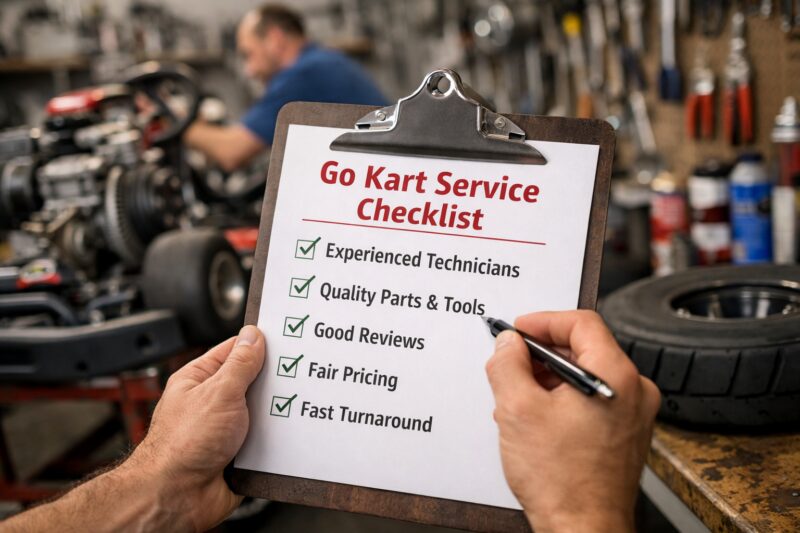
To keep your decisions aligned, you can structure your review of what a shop offers using a reliable rides maintenance checklist mindset: every recommendation should tie back to an observed condition, test result, or measurable spec.
Service Types and Options: What You May Need (and What to Look for)
When you call a shop near you, the fastest path is to match your kart’s symptoms to the right service type and confirm the diagnostic depth included.
Common service categories include basic maintenance (fluids/fuel system check where applicable, chain/brake checks, fastener inspection), brake/clutch/transmission repair, carb/fuel/engine tuning, electrical/wiring fixes (battery, ignition components, grounds), and full safety inspection. The “right option” depends on symptom patterns. For instance, overheating plus loss of power often points toward fuel/air delivery or cooling-related setup checks, while driveline noise at specific RPM ranges suggests clutch/transmission or chain alignment.
Practical application: before booking, ask how each category is executed. For brake service, confirm whether they inspect linkage/adjustment and verify braking performance after reassembly. For clutch/transmission work, ask how they check wear patterns, engagement behavior, and whether they run a short test to confirm shift/engagement under load. For electrical issues, ask whether they test grounds and resistance values rather than swapping parts randomly.
Tradeoffs and limitations matter. Mobile service is convenient when the problem is accessible and safe to evaluate onsite, but it may have limited tools for deeper diagnostic work. Shop-based service typically offers better access to measurement tools, teardown capability, and controlled test runs, but you may wait longer for scheduling. Specialty vs general repair is also important: if your issue is advanced ignition mapping or complex driveline vibration, you want a shop that can justify their recommended path with evidence.
Deeper insight: performance requests can conflict with safe setup. If you ask for “more speed,” a good provider still verifies safety-critical specs and friction/brake capability because increasing RPM or changing fuel/air balance can raise stress on clutches, chains, and braking systems. The best results come from safe performance adjustments, not from ignoring safety checks.
If you’re comparing what to request, you can align engine-focused work with engine service for performance when symptoms indicate tuning needs, and align basic safety reviews with reliable rides maintenance checklist concepts so you do not pay for unnecessary teardown.
Advanced Checklist: When the Job Is More Than a Simple Tune-Up (Edge Cases)
For complex kart issues, choose a provider that can prove root-cause diagnosis with staged testing, post-repair verification, and measurement-based documentation—not just “tune and send it.”
Edge cases include recurring driveline failures (clutch wear returning quickly, repeated chain issues, inconsistent engagement), persistent vibration, misfires under load, overheating that does not resolve with basic tune adjustments, or uneven tire/brake wear patterns. These problems often involve more than one subsystem. A top shop treats the symptom as a clue in a chain: fuel/ignition affects combustion; combustion affects load; load affects driveline wear; and wear affects vibration and handling.
Advanced questions you should ask: do they use OEM/spec references for settings, how they calibrate or verify (for example, verifying idle stability and throttle response), and whether they perform post-repair test runs. Ask what “success” looks like: “What measurements or behaviors confirm the repair fixed the root cause?” A reputable provider can describe the pass/fail criteria and can repeat checks if symptoms return.
Parts sourcing edge cases are also common in 2026 because some kart brands/engine models change configurations and tolerances. Ask how they handle discontinued parts and aftermarket tolerances. If aftermarket parts are used, ask how they confirm fitment and spec alignment so you do not lose warranty coverage or reintroduce failure points.
Another nuance: the kart’s user type changes the service cadence. Rental fleets may need standardized documentation, quick turnaround, and evidence of safety checks for each unit; personal owners may prioritize reliability and performance consistency. If you run multiple karts, ask whether the shop can maintain a consistent inspection/check standard so you can compare results across units.
Deeper insight: when you and the shop disagree about labor or diagnosis, request evidence. Ask for measurements, photos, before/after test notes, and a clear explanation of why certain parts were replaced (or why they were not). This reduces the “trial-and-error” dynamic and prevents repeated disassembly.
If your goal is to minimize repeat failures, you may want to ensure your repair plan includes documentation aligned with fast, reliable kart fixes only after diagnosis is clarified. Pair that with the planning approach from before your next repair so your expectations match the level of troubleshooting required.
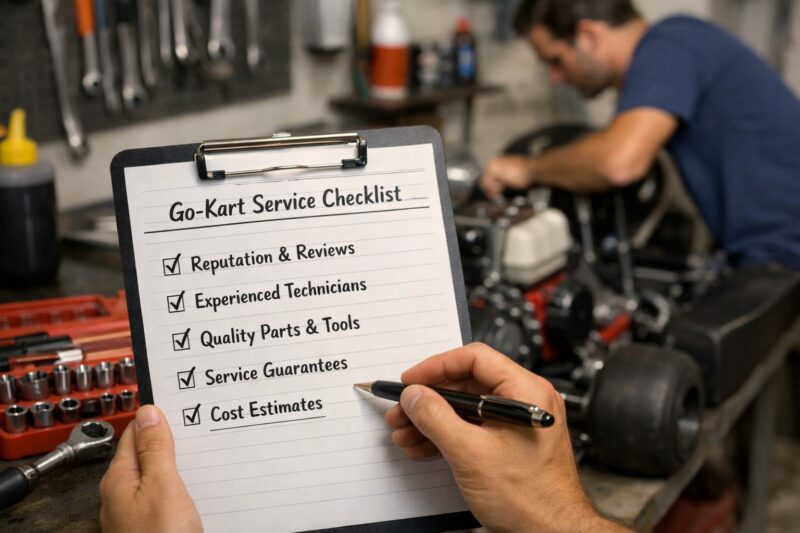
Locally Anchored Options: Finding the Best Nearby Service Without Guesswork
To find the best nearby service, anchor your search geographically, then verify the shop’s actual service radius, appointment availability, and pickup/drop-off options before you commit.
Local intent is not just “near me” wording—it’s about travel time, response speed, and who can reliably handle your kart in your area. Use your ZIP code and set a realistic radius, then confirm the shop’s location details. When you call, ask: “Do you have shop service or pickup options in my area?” and “What is your earliest appointment date for my kart issue?” This prevents the common scenario where a shop advertises nearby service but effectively expects you to bring the kart to a distant location.
Verification workflow for “near me” claims: confirm the address they will service, whether they provide onsite/mobile service for your type of repair, and how long it takes between intake and first diagnostic check. Also ask whether they communicate in writing (estimate, scope, findings summary) so you can compare providers consistently. Distance vs quality is a real tradeoff: for simple maintenance, a farther-but-surer shop might be unnecessary; for complex diagnosis, travel may be worth it if the shop’s process prevents repeated disassembly.
Review reading guidance that stays navigational: look for evidence of safety-focused behavior (brake/clutch checks), clear communication (documented scope, not vague updates), realistic timelines (diagnosis time included or explained), and transparent pricing structure. Reviews that mention “they fixed it the first time” and include specifics about the issue are usually more helpful than generic praise.
Deeper insight edge case: some out-of-area shops advertise as local but subcontract to another technician. This can be fine, but you should verify who will do the work and where the repair will be performed. Ask whether you will get the written scope from the actual service provider and whether warranty is backed by the same entity that touches your kart.
If you want to keep your planning consistent across providers, treat each call like an intake step in a reliable rides maintenance checklist process: same symptom details, same questions, and same request for documented scope and test results.
Frequently Asked Questions About Go Kart Service Near Me
How do I choose the best go kart repair shop near me quickly?
Shortlist 3 local providers, then verify them with the same question set: their safety policy, how they separate diagnosis from repair labor, and what documentation they provide before disassembly. A good decision rule is to book only if they can explain a clear diagnostic process and give a written scope plus warranty terms up front.
What should I ask before scheduling a kart tune-up or repair?
Ask what the estimate includes (diagnosis fee, labor breakdown, parts policy) and how they update pricing if additional problems are found. Also confirm the test/run procedure after the work is completed so you know the repair was verified, not just assembled.
Do I need an inspection before ordering parts for my go kart?
In most cases, yes—especially for intermittent stalling, vibration, and overheating, because symptoms can originate in multiple systems. An inspection helps confirm compatibility and avoid buying parts that do not match your kart’s exact spec or the actual root cause.
How much does go kart service near me usually cost?
Costs vary based on service type, diagnosis time, parts availability, and labor rates, so you should request a diagnosis-and-scope quote rather than a single “all-in” number. Pay attention to whether the estimate includes diagnostic work, test/run verification, and any reassembly labor requirements.
What signs mean my go kart needs brake or clutch repair?
For brakes, look for dragging, grinding sounds, reduced stopping power, or uneven braking behavior. For the clutch/transmission, watch for slipping under throttle, delayed engagement, unusual RPM changes, or vibration that appears at specific speeds.
Can a mobile go kart mechanic handle serious engine problems?
Mobile service can handle many problems, but limitations apply if the repair requires full teardown, specialized measurement equipment, or controlled test runs. For serious engine issues, ask what they can diagnose onsite and what will require shop service to confirm the root cause.
What’s the difference between maintenance and full service for karts?
Maintenance typically covers routine inspections and adjustments (like brakes, chain condition, and basic tuning checks). Full service usually includes deeper troubleshooting, parts replacement with documented verification, and post-repair testing to confirm everything is safe and operating as intended.
Will a shop void my warranty if I installed parts myself?
Many warranties depend on documentation and compatibility, not just the fact that parts were installed by the owner. To minimize risk, keep receipts and part numbers, avoid mismatched specs, and ask the shop how they verify compatibility before performing warranty-relevant work.
How do I verify parts compatibility for my go kart before service?
Provide the shop with model/engine details, part numbers when available, and any evidence of prior replacements. Ask them how they confirm compatibility (OEM/spec references vs visual “same size”) and request documentation of what was installed.
Are there common scams or red flags when searching for go kart service near me?
Red flags include bait-and-switch pricing, refusing to document findings, vague scope statements, and withholding warranty details. Another risk is recommending costly parts without explaining diagnosis evidence or offering a clear test/run verification step.
Long-tail: Is it worth paying for diagnosis instead of swapping parts first?
Diagnosis is usually worth it when issues are intermittent, when symptoms could match multiple systems, or when you want to avoid repeat failures. Parts-first troubleshooting can be reasonable for obvious wear items, but for complex behavior (stalling when hot, vibration, or misfire patterns), diagnosis can save both time and parts spending.
Conclusion (planning notes — no H2)
The outcome you’re aiming for with Go Kart Service Near Me is straightforward: shortlist → verify → confirm scope/pricing/warranty → schedule → confirm documentation/test results. This checklist approach keeps you from paying for guesswork and helps ensure your kart returns to safe operating condition.
Use the quick checklist repeatedly. Next time you have a brake, clutch, fuel, or electrical issue, call 2–3 nearby providers with the same symptom details and the same questions about diagnosis depth and written scope. The provider that can justify recommendations with evidence (and show post-repair verification) is the one you should trust.
Finally, before committing to major parts spending, request an inspection/diagnosis or a written estimate that clearly separates diagnosis from labor and defines what is covered under warranty. For safety-first results, choose a shop that can demonstrate post-service testing and communication—because the fastest “fix” is the one that prevents downtime next practice day. If you want a consistent maintenance mindset, reference your work plan using a reliable rides maintenance checklist and align performance requests with the right engine service expectations.
Updated May 2026