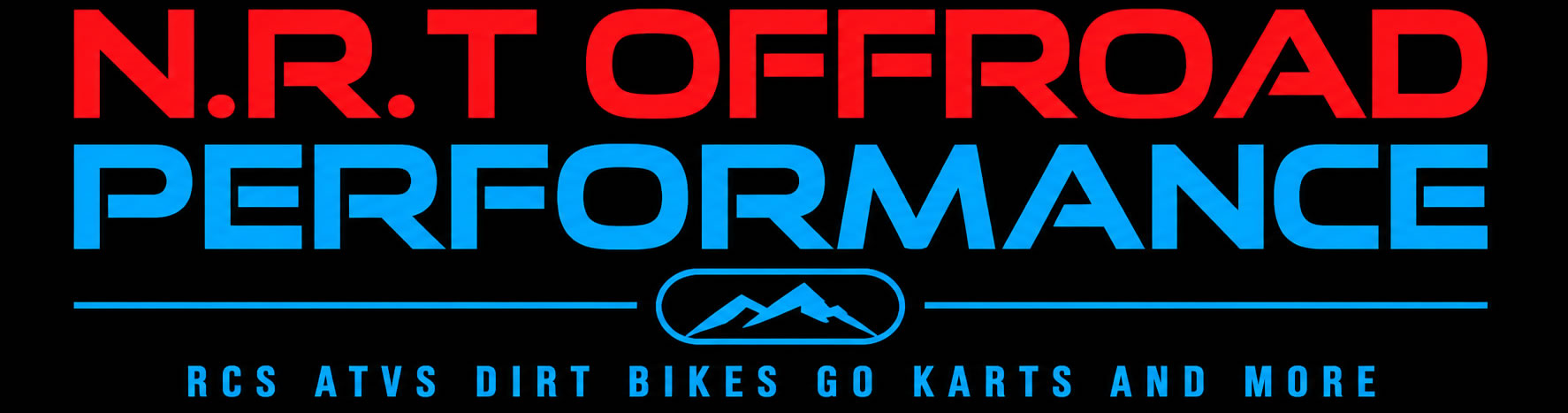

If you’re searching Auto Repair Near Me, you can quickly verify a good shop by confirming they match your vehicle’s system, communicate clearly about diagnosis and approvals, and provide an itemized estimate before any major work starts. This pre-booking checklist helps you choose the right nearby option fast—without guessing, misquotes, or unnecessary repairs.
This guide is designed for the moment right before you book a visit, not for learning how to repair cars yourself. It reduces the odds of “scope creep” (extra work added after you arrive), prevents surprise parts/labor changes, and helps you schedule with confidence. You’ll identify the shop, confirm fit for the job, validate price and process, and prepare for drop-off—using checks you can complete in minutes online or by phone.
Because “near me” can mean very different things depending on towing access and your area’s parts availability, this article also explains what “nearby” should practically include for 2026 logistics. You’ll end with a short shortlist of 1–3 shops you can contact, plus a scoring approach to decide where to book.
The fastest decision path: what to check first before you book
The fastest way to narrow Auto Repair Near Me is to verify three things in order: your vehicle fit, the shop’s diagnosis and communication process, and the appointment/towing logistics. If you get those right, pricing becomes easier to interpret and you avoid wasted trips.
Start with vehicle info. Have your year/make/model, mileage, and the symptom summary ready (for example: “2018 Camry, check engine light plus intermittent hesitation at 45–60 mph”). Then ask one quick question that reveals capability: whether they routinely diagnose your specific type of system. The goal is not to “solve it” on the phone—it is to confirm they can run the right tests and interpret results for your complaint.
Next, confirm shop fit. Some shops are strong at routine maintenance but avoid deeper diagnostics or certain technologies. Your questions should expose whether they handle the category of issue you’re dealing with (brakes, transmission diagnostics, hybrid/electric systems, electrical/low-voltage issues, or advanced driver-assistance systems). This is where many “nearby” searches fail: the shop is close, but not equipped—so you end up booking again or paying for repeated partial diagnoses.
Then validate estimates and communication. In a good process, they explain diagnostic approach and what the diagnostic fee covers, and they describe how they’ll request approval before major repairs. If they cannot articulate the order of operations—diagnose first, then propose—you may be walking into a “guess and replace” visit.
Finally, handle appointment logistics. For 2026, nearby should include realistic access: towing availability if you can’t drive safely, how long they need the vehicle, whether they offer rental coverage guidance, and what to do if the shop can’t source parts quickly. If parts delays are likely, confirm their plan upfront (approved suppliers, alternatives, or a timeline that reflects lead times).
Minimum viable vetting (under 10 minutes): Ask whether they service your exact vehicle category, request their diagnostic fee and what’s included, ask how they provide an estimate (itemized), and confirm they call before replacing major components. If the answers are clear and consistent, you can usually book with lower risk.
Deeper insight: the “nearby but not equipped” edge case. A shop may be only a few miles away yet still be a mismatch if they lack the scan tools for your system or don’t perform the right checks (for example, transmission control module adaptation, EV battery system inspections, or ADAS calibration verification). A phone call should reveal whether they use proper test steps rather than relying on generic codes.
Tradeoff to understand: Shops that promise “we’ll know in 30 minutes” may be fast, but speed without evidence often produces repeat visits. A well-run shop may take longer to diagnose because it isolates the root cause before quoting labor and parts.
Outcome of this step: you either book confidently, ask targeted follow-ups, or continue searching. At this stage, your goal is fit and process clarity—not a final repair price.
How to verify the shop is actually the right match for your car
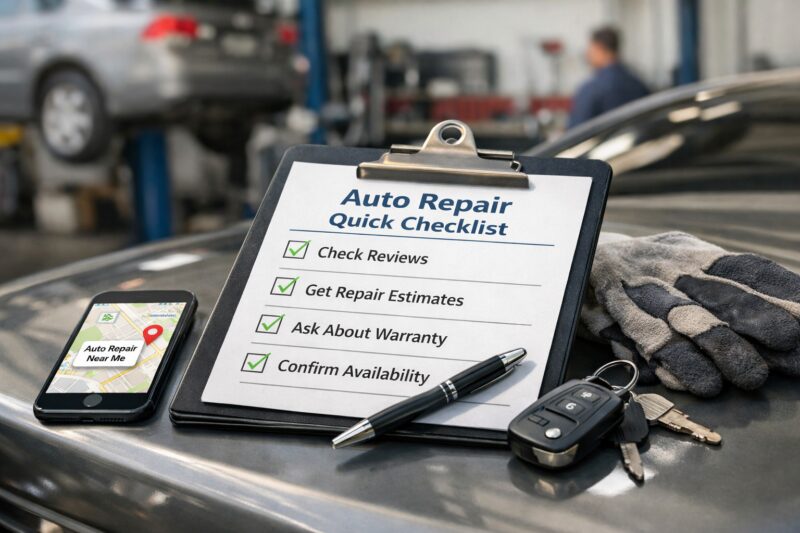
To verify a shop is the right match, confirm they specialize in—or at least reliably diagnose—the exact system causing your symptoms and that they can document what they find and replace. This matters more than how close they are, because diagnostics drive correct repairs.
First, confirm specialization fit. Many problems cluster by system: brakes and ABS sensors, transmission drivability and shift strategy, engine misfires and fuel delivery, or electrical issues like parasitic drain and charging faults. Ask whether they “diagnose first” for your category rather than starting with parts replacement. For example, brake concerns may require component and hydraulic checks plus road test validation—not just replacing pads.
Next, require evidence of capability. You don’t need to verify every credential in depth, but you should ask what certifications or training they have that relate to your vehicle type. ASE-style credentials (or equivalent manufacturer training) plus the presence of proper scan-tool capability are strong signals when paired with an explanation of diagnostic steps. For electrical and control-module concerns, the shop should be comfortable interpreting live data, freeze-frame context, and module history rather than only reading one code.
Ensure they service your vehicle type and constraints. A shop may handle domestic sedans well but struggle with AWD transfer cases, specialized cooling systems, commercial fleet scheduling, or EV/hybrid battery integration. This is especially important for 2026 when more vehicles on the road have advanced electronics and sensor networks. Ask directly about make/model/year scope and whether they’ve serviced your specific platform or at least similar architectures.
Deeper insight: parts sourcing + warranty without stalling. Even if the shop is capable diagnostically, it must be able to complete the work: sourcing the correct parts, choosing reman vs. new appropriately, and providing warranty terms that reflect their supply source. Ask how they handle lead times, whether they use approved suppliers, and what they do if the first attempt at a fix does not resolve the issue. If the shop cannot describe their parts and warranty process, you risk an incomplete repair that drags into repeat labor or additional trips.
Pass/fail criteria you can apply on the spot: A “pass” call includes (1) clear confirmation they work your system category, (2) an explanation of how they verify the diagnosis, (3) a statement about calling for approval before major replacements, and (4) a willingness to provide itemized documentation. A “fail” call includes vague assurances, refusal to discuss diagnostic scope, or inability to explain parts and warranty handling.
Real-world scenario: your car hesitates only under load after warming up. A mismatched shop may replace a single suspected component based on one code and leave the root cause unresolved. A good match will discuss likely test paths, confirm whether related sensors or fuel/air delivery are involved, and document pre/post readings so you can see what changed.
In terms of supporting content, you may also want to review how vehicle service scope is determined in “car-mechanic-near-me” style searches, since the best shops tend to align their diagnostic workflow to what a customer can confirm quickly.
For later comparison planning, this is a good place to ground your decision using criteria from choosing a reliable shop workflows and “choose right service” thinking. Those frameworks align with your pass/fail criteria and help you avoid booking the first result that looks convenient.
Questions to ask when you call or chat “Auto Repair Near Me”
The questions that matter most when you call “Auto Repair Near Me” are the ones that clarify diagnosis approach, estimate/approval structure, and what happens if the issue differs from the initial complaint. If you ask those early, you reduce the chance of surprise costs and repeat visits.
Use a script-like checklist. Start with: “What diagnostic steps will you take for my symptom?” Then ask what the diagnostic fee covers and how you handle uncertain results. A strong shop will explain the process in a way that reflects evidence: scan tool data, test drive criteria, inspection order, and confirmation steps before recommending expensive parts.
Next, confirm estimate structure and approvals. Ask how they provide the estimate: itemized labor line items, parts details, taxes/fees, and any assumptions they’re making. Then ask when you will be contacted: typically after diagnostics, before disassembly or major part replacement. If they can’t describe the approval step, that’s a red flag for scope expansion.
Ask about documentation. You should expect an itemized estimate and some form of evidence trail—such as pre/post test results, replaced-parts descriptions, and notes that explain why a component was selected. This protects you if you later need to compare diagnoses or if the issue reappears.
Deeper insight risk question: “Will you call me with findings before you replace any major components?” Then ask what “major” means to them (for example, transmission internal components, engine assemblies, module-level replacements, or battery system work). This question is powerful because it forces the shop to define their change-order threshold. A transparent answer usually improves your confidence.
Also ask about turnaround time and constraints that affect estimates. For instance, request their expected diagnosis timeline and whether they’ll provide updates if parts arrive later or if additional testing becomes necessary. In 2026, some systems require calibrations after repair, so ask if calibration/programming is part of the job for your vehicle category.
Outcome: translate their answers into a confidence score for booking. You can do this informally: give points when they describe diagnostic steps, specify itemized estimates, commit to calling before major work, and explain how they manage uncertain findings. If answers conflict or feel evasive, continue searching.
As a final planning tie-in, you may find it helpful to align your call with a “what to ask before pay” approach so your approval boundaries are clear before you drop off the vehicle. This reduces friction and supports smoother scheduling.
Estimate and pricing red flags (and how to avoid getting steered)
A good estimate is transparent about what they’re charging and why; pricing red flags show up when details are vague, diagnostics are skipped, or approval boundaries are unclear. Use these signals to avoid being steered toward unnecessary work.
First, understand what a “good estimate” includes. It should list diagnostic findings (at least in summary form), labor lines with rates or time estimates, specific parts (including brand/OEM vs aftermarket if relevant), and all applicable fees and taxes. It should also state assumptions, such as “if the testing confirms X” or “if the replacement part matches your vehicle specification.” When estimates include these elements, it becomes easier to compare shops and harder for scope creep to happen silently.
Second, identify common red flags. Look for vague pricing, pressure tactics (“we have to do it now”), or statements like “we’ll just do it and see.” Another risk pattern is when the shop does not discuss diagnostic requirements but instead suggests replacements based on a single symptom. These situations are especially common in intermittent issues where multiple faults can coexist.
Third, interpret unusually low or high quotes carefully. A low quote can be accurate only if it reflects a narrow scope and a clear diagnostic plan. If the low price skips diagnostics for a complex system (like transmission drivability or hybrid/electric charging faults), it may be under-scoped. A high quote might be warranted if it includes parts plus labor plus calibration and documentation—but you should still get an itemized explanation.
Deeper insight: estimates can be accurate but scope control weak. Sometimes a shop gives an estimate that matches the first diagnosis, yet expands the work after disassembly without a clear approval checkpoint. To prevent this, ask how they handle additional findings: will they call with options before proceeding, and will they document the reason for changes? This is not about mistrust; it’s about process control.
Quick decision rule: If the shop can produce an itemized estimate and define what triggers additional approvals, you can request a booking. If they refuse itemization, don’t explain diagnostic scope, or won’t commit to calling before major changes, move on.
To apply these ideas quickly, use a workflow that resembles “fair quote fast steps.” That kind of checklist-driven comparison helps you verify that the estimate is structured around evidence, not just sales pressure.
Tradeoff: asking for itemization and evidence may reduce the chance you get the absolute cheapest option. But it usually increases the chance your first visit produces a correct outcome, which reduces the cost of repeated repairs.
Service quality signals you can check without taking your car in
You can assess service quality without driving in by looking for transparency signals, communication reliability, and evidence-oriented reviews. These clues predict whether the shop will diagnose correctly and document decisions.
Start with review relevance. You want reviews that mention diagnostics, documentation, and how the shop communicated findings—not just “they fixed it.” Review recency matters because tools, staff, and processes change. Also scan for complaint patterns: repeated mentions of “no communication,” “surprise charges,” or “they guessed and replaced” often indicate process problems.
Then check transparency. A trustworthy shop usually publishes or clearly states warranty terms and return-policy language for parts and labor. When appointment instructions are clear (drop-off procedures, what to bring, how long repairs may take), it often reflects operational competence. If their website or phone scripts are inconsistent, that inconsistency may carry into the customer experience.
Communication reliability is a major quality indicator. Ask whether they can provide a case number, confirm parts availability before you approve, and give realistic timelines (including what happens if parts are delayed). In 2026, some components require longer lead times due to supply chain variability; a quality shop should still provide an actionable plan rather than vague promises.
Deeper insight: “review bait” patterns. Be cautious of shops that accumulate many generic five-star reviews but few that mention specifics like diagnostic steps, scan-tool testing, or symptom-to-test mapping. Common mistake: taking a star rating as proof of competence. A better approach is to look for reviews that describe process details that match how you’ll need the shop to operate for your issue.
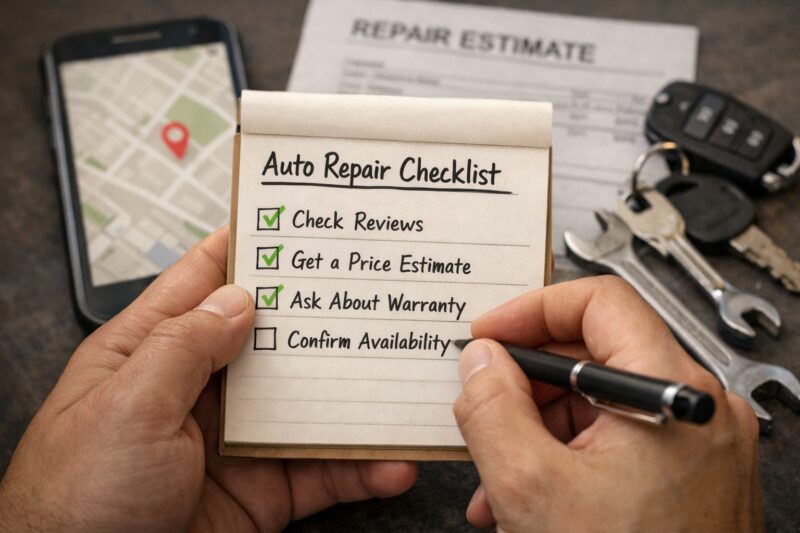
Practical application: shortlist 1–3 shops that show evidence-oriented reviews and clear warranty language. Then call each using your “questions to ask” script. The non-in-person checks help you avoid wasting your time before you invest in a diagnostic appointment.
As you shortlist, it helps to align your choice with a broader framework for “choose a reliable shop,” because the most consistent predictors tend to be transparency, documentation, and consistent approval behavior across customer stories.
Finally, remember limitations: online signals can’t guarantee success. But they can dramatically improve your odds that you’ll be dealing with a diagnostic-first shop that can communicate and document—especially for complex electrical and transmission scenarios.
Common mistakes and misconceptions when choosing Auto Repair Near Me
The biggest mistakes when choosing Auto Repair Near Me usually come from prioritizing convenience over fit, trusting a single signal (like distance or one review), and treating “quick” as “proper.” Avoid these patterns and you’ll reduce wasted visits.
First mistake: booking based only on distance or one review. Proximity is useful for logistics, but it doesn’t validate capability. A single review might describe a totally different issue category (routine maintenance vs. deep diagnostic work). Practical counter: use your pre-booking questions to validate system match and diagnostic process.
Second mistake: confusing a “quick fix” with proper diagnosis. Intermittent symptoms, warning-light combinations, and drivability complaints often involve multiple potential root causes. If the shop skips diagnostics, the repair may only address the most obvious symptom while leaving the actual cause unresolved.
Third mistake: assuming every shop can handle complex systems. Hybrid/electric vehicles, ADAS calibration, transmission control, and advanced electrical diagnostics require specialized experience and tooling. A good shop won’t promise to fix everything instantly; instead, it will confirm it can diagnose and that it has the steps to verify the cause.
Deeper insight misconception: “If it’s covered by insurance, quality is automatic.” Insurance coverage can help with cost, but it does not guarantee diagnostic quality, correct parts selection, or correct documentation. Before any work begins, still verify estimate structure, parts sourcing rules, warranty terms, and approval requirements. If the shop can’t explain how documentation will be handled for insurance-related workflows, ask again.
Do not do this checklist (process failures to prevent): do not approve “replace it and see,” do not ignore approval boundaries, do not accept vague estimates, and do not let the shop proceed with major work without discussing findings. If the shop resists itemization or refuses to explain diagnostic scope, it’s usually better to continue searching.
Real-world example: you have a check engine light plus a shifting delay on an automatic transmission. A “quick fix” approach may replace a sensor, clear codes, and send you away only to have the issue return. A diagnostic-first process tests related components and confirms the root cause. That is why your pre-booking verification matters.
If you’re applying a structured approach, “choose right service” thinking helps you separate symptom type from service category and match that to how shops perform their diagnostics. That reduces the chance that you end up booking a shop that is convenient but not aligned with your problem complexity.
Options and alternatives beyond one shop: comparison approaches that still stay local
You don’t have to pick just one shop from Auto Repair Near Me. A local comparison approach can be smarter: evaluate dealership vs. independent vs. specialist vs. mobile pre-diagnosis based on symptom complexity, documentation needs, and warranty considerations.
Dealership service departments can be the right choice for manufacturer-specific systems, software updates, and warranty-linked repairs—especially when you need exact factory procedures and detailed repair histories. However, dealerships may be pricier and sometimes less flexible on scheduling. Independent shops may offer lower costs and more personalized communication, but you must verify they have the tools and documentation practices required by your manufacturer or warranty plan.
Specialist shops can be ideal when your symptom is strongly tied to one system (like transmission drivability issues or complex electrical diagnosis). A specialist typically has refined workflows and may get to the correct test path faster. Generalist shops can still be excellent for routine maintenance and many repairs, but if your complaint suggests multi-system complexity, a specialist may reduce diagnostic loop time.
Mobile inspection / pre-diagnosis + local install: a mobile service can help you confirm symptom context before you commit to a full shop appointment, particularly if your vehicle is difficult to drive or you need an initial scan and triage. The tradeoff is that mobile pre-diagnosis may not include the full inspection depth (for example, internal component testing, calibration access, or multi-step drive cycle verification). You may also still need a local shop to complete the repair and provide documentation.
Deeper insight: warranty + documentation scenarios. If warranty coverage is a major concern, your comparison must include how the shop documents work and whether it follows manufacturer requirements. Confirm what records they provide, whether they use compatible parts, and how they handle programming, calibrations, and replaced-part policies. A transparent independent shop can often work well, but you should verify your obligations before authorizing repairs.
If you plan your comparison around a structured “fair quote fast steps” or “choose a reliable shop” method, you’ll be more consistent across your shortlisted options. A simple rule is: compare process first (diagnosis, documentation, approvals), price second, and timeline third.
Optional decision table idea: if you want to build one for yourself, compare dealership vs. independent vs. specialist vs. mobile pre-check using criteria like “documentation quality,” “tooling,” “calibration capability,” “approval workflow,” and “expected turnaround.” Even without a formal table, thinking in those categories improves decision accuracy.
What most guides get wrong: edge cases, complexity, and “diagnosis first” reality
Most guides fail because they treat car problems like single-cause puzzles, when many real issues are symptom clusters. The correct approach is diagnosis first, with scoped testing and clear approvals before major work.
Guessing a part from symptoms is risky because symptoms overlap. A check engine light can reflect fuel, ignition, sensor plausibility, vacuum leaks, emissions components, or even intermittent electrical faults. Drivability complaints can include transmission strategy issues, throttle control interactions, wheel speed sensor input errors, or battery/charging instability. Without evidence-based tests, “replace X” can become an expensive cycle.
Multi-system edge case example: You bring in a vehicle that won’t shift smoothly and also shows traction control warnings. One warning might trigger follow-on faults. A diagnostic-first shop isolates which fault is primary by checking module data, verifying sensor readings, and confirming whether the transmission behavior aligns with commanded control values. That prevents replacing multiple components without confirmation.
Another edge case: additional steps may be required after the repair. Depending on the vehicle and system, it could include wheel alignment, brake bleeding, programming, immobilizer resets, or ADAS calibration. A shop should identify which steps are likely and how you approve them. Common mistake: approving only the visible repair while ignoring calibration steps that are needed for correctness and safety.
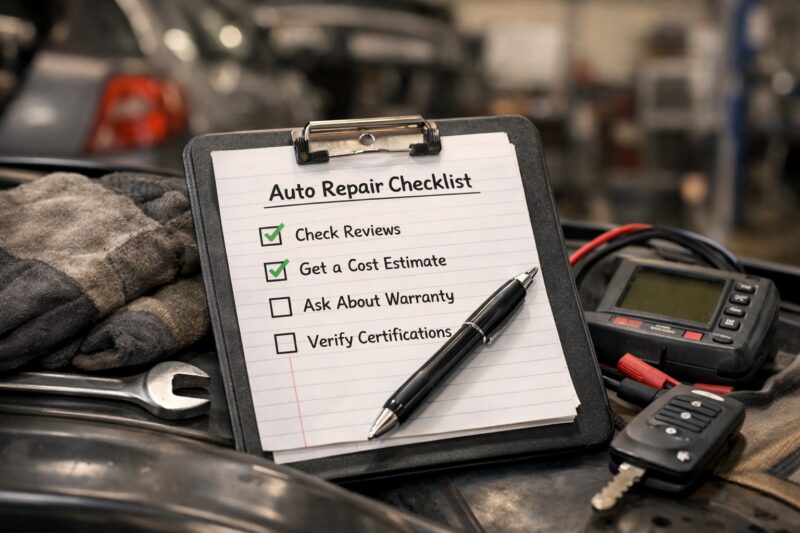
Deeper insight on the objection: “They won’t promise a fix, only a diagnosis.” A good diagnostic shop should avoid guaranteeing outcomes without evidence, especially on intermittent or multi-fault scenarios. The difference between honest risk-management and avoidance is specificity: do they explain what tests they’ll run, what evidence they expect, and how they’ll communicate findings before major parts replacement?
So what do you do when the problem is unclear but you still want a trustworthy booking? Ask for a staged plan. For example: “Can you run diagnostic tests and provide a finding summary, then propose repair options with approval before you begin disassembly?” This gives you control while acknowledging diagnostic uncertainty.
To reinforce your approach, use “what to ask before pay” as your mental checklist. It aligns with diagnosis-first reality by keeping approvals tied to evidence rather than guesswork.
Location anchor: choosing nearby in 2026 when your area has different constraints
In 2026, “near me” should mean more than a short drive—it should reflect towing options, rental or transport practicality, parts lead times, and realistic scheduling access. A truly nearby shop is one you can use effectively even if the car can’t safely move.
In dense urban areas, you might benefit from quick appointment availability and easier towing, but traffic and limited hours can complicate drop-off and pickup. In suburban or rural areas, the constraints often shift: towing can be more expensive, parts may take longer to arrive, and fewer shops may specialize in complex systems. Your “near me” decision should incorporate those realities.
Practical U.S. logistics planning: confirm whether the shop can accept your drop-off if the vehicle needs to be towed, ask about after-hours intake procedures, and verify whether they coordinate rental car steps or provide guidance on vehicle transport. If your vehicle is unsafe to drive with warning lights, you need a plan that doesn’t depend on you attempting the trip.
Also consider parts availability by region. A shop might be close but unable to source a specific control module quickly due to regional supply constraints. That affects estimate accuracy and turnaround time. Ask the shop how they handle lead times and whether they provide options (for example, waiting for original sourcing vs. approved alternatives) along with documentation and warranty terms.
Deeper insight: local capacity matters for delay risk. A shop that is “nearby” but booked weeks out may not be truly convenient when you need a predictable timeline for safety or commuting. Ask if they have capacity for your service category and whether they can provide an initial diagnostic window. Sometimes a slightly farther shop with faster access and better system fit results in an overall quicker resolution.
Outcome: shortlist shops that are operable near you—not just geographically close. You want shops that can handle your vehicle category, provide evidence-based diagnosis, and manage the logistics if the repair takes longer than expected.
As a final support concept, “choose a reliable shop” frameworks often include operational readiness checks, which pair well with this location-anchor approach.
Frequently Asked Questions About Auto Repair Near Me
How can I choose a trustworthy auto repair shop near me fast?
Run a quick workflow: confirm vehicle/system fit, ask what diagnostic steps they’ll take, and verify they’ll call you with findings before major parts are replaced. Then request a diagnostic fee structure and whether they provide an itemized estimate. If their answers include clear documentation and an approval boundary, you can usually narrow your shortlist quickly and book with less risk.
What questions should I ask before booking an appointment for auto repair?
Ask how they diagnose your symptom category, what the diagnostic fee covers, and how they communicate results. Confirm whether estimates are itemized and whether they require your approval before major components are replaced. Finally, ask for their expected timeline and what happens if parts are delayed or if additional testing becomes necessary.
Are diagnostic fees worth it when I’m searching “auto repair near me”?
Diagnostic fees are often worth it when symptoms are intermittent, multi-system, or involve warning lights that could point to multiple causes. A diagnostic fee should include evidence collection (like scan-tool data, test drive checks, or component inspections) rather than simply reading codes. Comparing diagnostic fees is useful only if you also compare what the fee includes and how the shop documents findings.
Should I book a same-day repair or wait for a proper diagnosis?
For safety-critical issues—like severe brake problems or charging failures—same-day triage can be reasonable, but you should still request evidence-based checks. If the symptom is intermittent or involves multiple warning lights, waiting for a proper diagnosis is usually safer than approving “guess and replace.” Ask what tests they can complete same day and whether they’ll provide findings before major work begins.
What does an itemized estimate need to include for repairs?
An itemized estimate should list labor with time assumptions, parts with descriptions (and ideally the sourcing type), and all fees and taxes. It should also show what the estimate is based on (assumptions) and what may require additional approval. Good estimates clearly separate diagnostic work from repair scope, and they include warranty terms for parts and labor when applicable.
How do I avoid getting upsold on auto repairs near me?
Ask for options and evidence: what else could cause the symptom, what tests confirm the cause, and what results they found. Require that they call you with findings before replacing major components, and request an itemized estimate that shows labor and parts lines. If a shop uses pressure tactics or won’t explain why a repair is needed, treat it as a red flag and slow down decision-making.
What if the shop finds extra problems—do they need my approval first?
In a well-run process, they should request approval before any additional work beyond the agreed scope, especially for major components. You can require a change-order step where they explain what changed, why it matters, and what the additional cost and timeline will be. Ask them to document the new findings and provide an itemized updated estimate before proceeding.
Can I use an independent shop near me and still keep my warranty?
Often you can use an independent shop, but warranty coverage depends on your manufacturer or warranty plan terms. The key is documentation: the shop should keep records showing correct procedures, parts sourcing, and diagnostic findings. Before authorizing repairs, confirm requirements with your plan and ask the shop whether their documentation supports those requirements.
Long-tail: How do I confirm a shop can handle my car’s transmission issue?
Confirm they routinely diagnose transmission symptoms and can interpret transmission control data, live parameters, and adaptive behavior—not just scan codes. Ask about how they verify internal vs. external causes (like related sensors, shift control signals, cooling issues, or driveline interactions). Also ask their reman vs. new parts policy and how they handle warranty documentation for transmission work.
Long-tail: What should I do if a quote for auto repair near me changes after diagnosis?
Ask for a written explanation of what changed and what evidence supports the revised scope. The shop should be able to point to diagnostic findings that justify added parts or labor and provide an updated itemized estimate. If the update is vague or they proceed without approval boundaries, treat it as a scope-control issue and reconsider continuing work.
Long-tail: Is it safe to drive my car to a shop near me with a warning light on?
It depends on the warning light and the symptoms. If you have red warning indicators, loss of power, overheating, or brake-related alerts, you may need towing rather than driving. Ask the shop what level of risk they consider acceptable and describe what the vehicle is doing so they can advise on “drive vs. tow” triage.
For external guidance on vehicle diagnostics and consumer protections around repairs and estimates, you can review resources from U.S. Department of Transportation and FTC guidance on auto-related scams and consumer advice. For background on automotive service standards and credentialing practices, ASE provides certification information that can help you interpret what “trained” means in context.
Conclusion (planning notes for the writer)
Choosing Auto Repair Near Me should be a confidence-building process, not a coin toss. Recap the core decision path: verify fit for your specific vehicle system, ask the right pre-booking questions, and require transparent estimates and approval boundaries before any major work begins.
Emphasize red-flag awareness: vague pricing, pressure tactics, and skipping diagnostic steps. Show readers how to respond quickly—by asking for itemized estimates, evidence-based findings, and a clear “call before major components” commitment. Reinforce that speed matters only after diagnosis-first expectations are met.
Encourage a local comparison approach when appropriate: dealership vs. independent vs. specialist vs. mobile pre-check, based on your symptom complexity and your documentation/warranty needs. The goal is to pick 1–3 nearby shops, run the checklist via call or chat, and book only after you confirm scope control, documentation practices, and the communication process.
Finally, tie your CTA to action: shortlist shops you can reach easily, run “fair quote fast steps” and “what to ask before pay” in your call notes, and use “choose right service” logic so the shop’s capability matches your vehicle’s problem category. If you want a broader workflow for evaluation, use your criteria aligned with “choose a reliable shop” to keep your decision consistent across options.
Updated May 2026