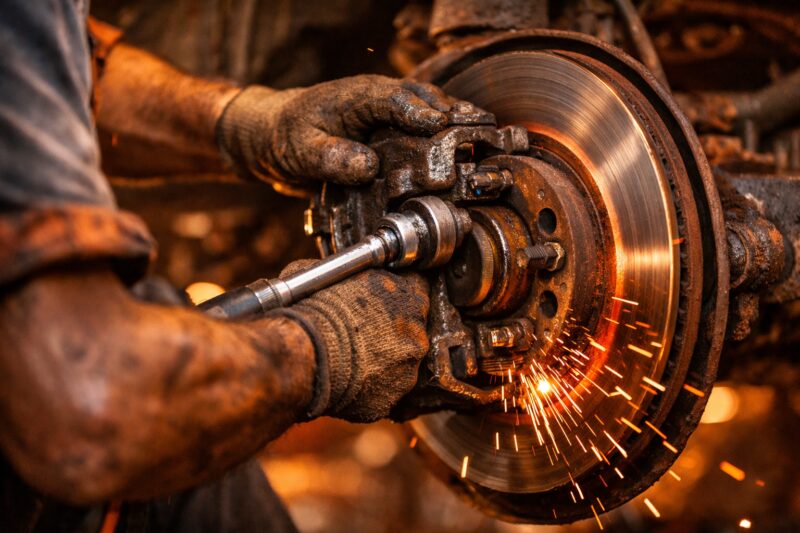
If you want professional brake repair services near you, choose a shop that diagnoses first, documents findings, and fixes the full brake system—not just the loud symptom. The right team will explain what they measured, why it matters, and what they will do next to restore safe braking performance. That is what most people mean by professional brake repair services. In practice, good brake repair services start with inspection, measurements, and a written plan you can review before approval. In 2026, many vehicles also tie braking into traction and stability controls, so the diagnostic process matters even more than “typical” pad changes.
This guide helps you compare local shops with confidence. You will learn what a professional inspection and repair process looks like, how common brake symptoms map to likely causes, and which cost or communication signals should worry you. You will also see how to compare estimates fairly and avoid repeat problems. Use it to gather your symptoms and service history, then ask for an itemized plan that matches the inspection results.
How to choose professional brake repair services for your vehicle’s safety needs
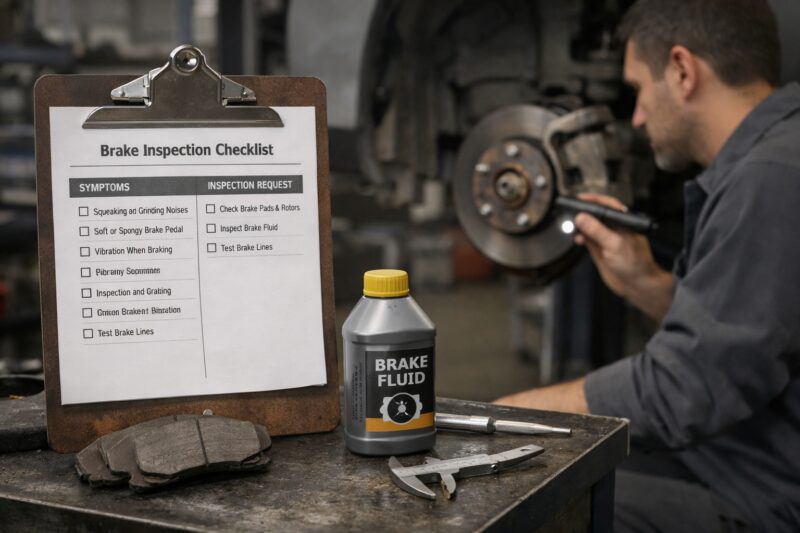
Professional brake repair is about verified condition, not guesswork. Start by matching your symptoms to an inspection request, then ensure the shop uses a structured diagnostic approach. A truly professional shop should treat braking as a safety system and document what it finds.
In a strong decision process, you should ask for an inspection that includes measurements, not just a quick look. The shop should explain why it suspects certain parts, how it will confirm those suspicions, and how that leads to a written estimate. This is where “professional” becomes measurable: qualified technicians, documented findings, and parts sourcing transparency.
It also matters that the shop considers the whole brake system. Pads and rotors are common service items, but other issues can drive the problem. Calipers, caliper slide pins, brake hardware, brake fluid condition, and brake control sensors can all affect braking feel and wear. Shops that only plan “pads and rotors” without checking rotor condition, piston movement, or fluid health may miss the real root cause.
Driving habits and vehicle use should change what repairs are necessary. Frequent towing, steep hills, mixed weather roads, and heavy stop-and-go can speed wear and stress components. A professional shop accounts for how your vehicle is used, not only what it looks like today.
Common failure mode is jumping straight to replacement without enough measurement. For example, uneven pad wear can point to caliper slide issues, not just pad thickness. If the shop replaces pads but does not verify caliper movement and rotor contact, the problem can return quickly.
Before you approve work, ask what will be tested before parts are ordered and what will be verified after repair. This “measure and confirm” approach reduces the risk of mismatched parts, improper bedding, and recurring brake warnings.
What a professional brake inspection and repair process should include
A professional brake inspection follows a consistent workflow that leads to documented, testable findings. When you drop off your vehicle, the shop should start with a symptom interview and then move through visual checks, measurements, and brake function verification. That process should be written down and tied to your approval steps.
First, the technician should confirm what you feel or hear. They should also review any warning indicators and your recent service history. Then they should inspect pad thickness, pad wear pattern, and rotor surface condition. Measurements matter because they reveal whether the issue is uniform wear or a sign of stuck hardware, poor contact, or rotor variation.
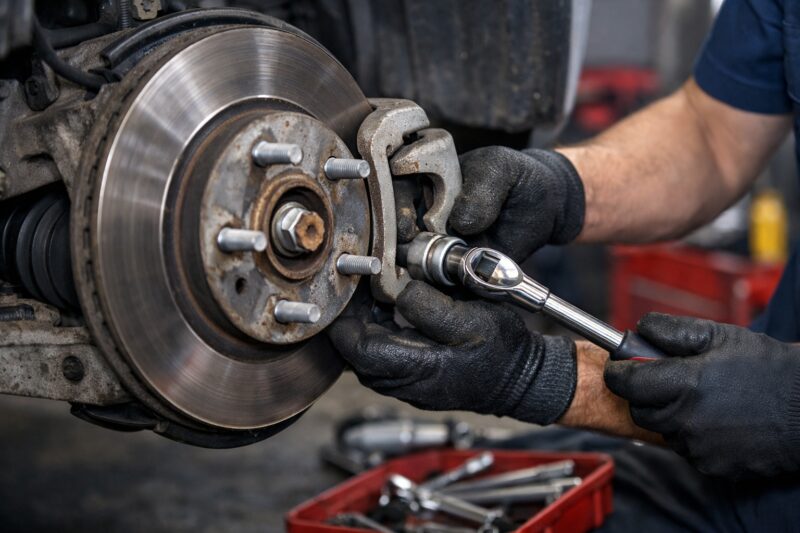
Next, expect checks for caliper and hardware function. A professional shop should check caliper movement and look for signs of contamination, damaged boots, or uneven piston behavior. Brake fluid should also be evaluated. Brake fluid can absorb moisture over time, which can worsen pedal feel and reduce braking consistency, even if pads look worn but serviceable.
Repair sequencing is part of professionalism. Most shops that work correctly diagnose first, then recommend the smallest fix that solves the root cause. Tradeoffs exist, though. Sometimes pads-only is rational when rotor thickness and condition are within spec and hardware is healthy. Other times, rotor replacement or resurfacing is needed to restore flat contact and prevent repeat vibration.
Edge cases help you judge whether the shop is thinking. Pulsation can come from rotor thickness variation, not just “worn rotors.” Dragging brakes can come from a caliper boot failure or contamination, not always from pad friction material. A common mistake is blaming noises without confirming contact and movement. Professional diagnostic steps prevent that.
After any repair, the shop should confirm the fix. That can include pedal feel checks, brake test verification, and notes on indicator behavior. Ask how they will verify that the symptoms are resolved, not just that parts were installed.
Common brake problems and the repairs that usually address them
Brake symptoms usually point to patterns, and professionals confirm those patterns with measurements and functional checks. When your brakes squeal, grind, or pulsate, a good shop does not guess. It inspects the wear, rotor condition, and component movement to find the likely cause.
Squeal or squeak often links to pad wear, hardware condition, or bedding issues. If the squeal started after recent service, professionals should check pad fit, hardware installation, and whether proper bedding was performed. Grinding or metal-on-metal usually signals severe pad wear or pad wear indicator contact, and it often requires more than a quick pad swap.
Soft or spongy pedal can indicate air in the brake lines, moisture-related fluid degradation, or an internal leak. A professional shop checks brake fluid condition, looks for leaks, and verifies caliper piston and line integrity. Vibration or pulsation often traces back to rotor surface problems, such as thickness variation, or uneven pad-to-rotor contact caused by caliper issues.
Pulling to one side can come from uneven friction, a stuck caliper, or rotor contamination. Professionals inspect both sides, not only the side that feels worse. Dashboard warnings can also reflect sensor and control system faults, not only pad wear.
Customer-proofing is important. After the repair, you should receive documentation like before-and-after measurements, parts lists, and warranty details. If a shop cannot show what it measured, it becomes harder to verify that the root cause was fixed.
A nuance many drivers miss is that not all “brake noises” mean brake hardware failure. Some noises come from dust or debris trapped between friction surfaces. Others signal a caliper issue. The differentiator is inspection evidence, not sound alone.
Avoid these mistakes when booking brake repair near you
Many brake problems repeat because the booking decision ignores the inspection process. The most common mistake is choosing by price alone and skipping the inspection. If a shop will not measure and document findings, you risk paying for parts that do not match the actual cause.
Misconceptions also lead to repeat failures. Some drivers assume rotors only need resurfacing, or that all issues are pad issues. Others believe brake fluid never matters unless there is a visible leak. Professionals understand that fluid condition and system integrity affect pedal feel and consistency, so they evaluate it when appropriate.
Watch for red flags in communication. Vague estimates without measurements, refusal to explain why a component is recommended, and unclear parts quality can all be warning signs. You should also be cautious if the shop pressures you to replace everything without confirming rotor thickness, caliper movement, brake hardware condition, and fluid health.
Warranty and rework logic should work in your favor. A professional shop should aim for a correct root-cause fix, not a quick component swap. That includes proper torque and specifications during assembly, correct bedding guidance, and replacement of worn hardware that supports even pad contact.
Mismatched parts can also be a hidden risk. Using the wrong hardware or incorrect brake sensor or ABS-related components can create recurring warning lights, uneven braking, or repeated diagnostic trouble codes. A shop that verifies fit and function reduces that risk.
Before you authorize work, ask what changes if new findings appear. Then confirm which steps they will re-check after repair. This keeps the process honest and protects you from surprise scope increases.
Brake repair options and alternatives you can compare before you approve work
You can compare brake repair options by comparing their process, documentation, and scope—not by comparing one line item. Local shops often differ in parts sourcing, inspection thoroughness, and what they include in pre- and post-repair verification. Use that to judge value.
Common options include independent shops, franchise or multi-location service centers, and dealership service. Each can provide professional results when they diagnose properly and document findings. Dealerships may have advantages for some newer vehicles with complex brake integrations, while independents can offer strong transparency and thorough inspections for many models.
Mobile inspection options can also help if they focus on diagnosis and measurement. However, repairs still require proper equipment to measure rotors, verify caliper function, and perform correct bleeding. So compare mobile offerings carefully. Ask how they will confirm measurements and what they will document for your eventual repair authorization.
Parts sourcing choices matter too. You may see OEM-equivalent parts, high-quality aftermarket components, or remanufactured calipers in some cases. Ask how each option matches your vehicle’s required specifications and warranty coverage. Tradeoffs exist: aftermarket parts may save money, but fit and quality can vary. Remanufactured components can be fine when properly rebuilt and supported by warranty, but verify the exact coverage and what is included.
To compare estimates fairly, insist on labor line items and a clear parts list. The best quotes show included fluids, hardware, disposal fees, and any diagnostic fees. They also note what tests they will do before and after repair, such as brake function verification or indicator checks.
Be careful about apples-to-oranges comparisons. One quote may include hardware replacement, rotor verification, and a bleed procedure, while another may omit those steps. That omission can create hidden cost or repeat problems.
Advanced issues that professional shops should handle without cutting corners
Some brake symptoms involve integrated vehicle systems and require careful diagnosis beyond pads and rotors. In 2026, many cars link braking control into traction and stability systems. A professional shop should recognize when brake repairs intersect with sensor and control module-related faults.
Professionals should handle ABS, traction, and vehicle stability interactions conceptually, even if they do not replace modules. They should read and interpret brake-related warning behaviors and confirm whether a fault relates to friction components, wheel speed sensors, wiring connectors, or control logic. When sensors are involved, proper checks include verifying sensor condition and ensuring connectors are secure and free of damage.
Edge cases often reveal whether a shop is truly competent. Intermittent pulsation can persist if rotor variation and contact are not corrected. Recurring warning lights after recent service can mean underlying caliper hardware issues, misfit parts, or incomplete verification. Brake fluid that fails quickly after service often points to an underlying leak or component problem that needs repair before the system can stabilize.
Customer objections are common, especially when parts were recently replaced. “I already replaced pads—why do I need more?” can happen when the real issue is uneven wear caused by caliper slide problems or rotor contact problems. A professional diagnosis reviews the wear pattern and verifies caliper piston function and hardware condition. That prevents repeating the same mistake.
Safety guidance should also be practical. If you have persistent grinding, severe pulling, repeated spongy pedal, or visible fluid leaks, ask for expedited inspection and avoid driving if braking feel is unreliable. These scenarios can become dangerous if the shop treats the issue as routine maintenance.
To verify the fix, professionals should confirm pedal feel, brake test behavior, bedding guidance adherence, and indicator response. They should also document what was checked and what changed. When a shop does this, you get fewer “it seemed fine” outcomes.
Finding the right shop near you: local confidence signals that matter
To find professional brake repair services near you, look for confidence signals that show the shop will inspect, document, and explain. Start with practical local factors like tow-in policy, service hours, and whether they can handle your vehicle class. Then confirm the shop’s braking focus through review details and communication style.
Local trust signals should be specific. Read reviews that mention brake measurements, rotor issues, caliper diagnosis, or brake warning indicators. General praise is helpful, but braking jobs often require technical explanation. You want evidence that the staff is willing to discuss findings, share photos of wear, and explain measurements clearly.
Bring key information to speed diagnosis. If you can, bring service receipts, prior brake component brand details, and photos of any dashboard warnings. If the vehicle has been recently repaired, mention what was replaced and when. This supports a more accurate root-cause search and helps prevent duplicate parts spending.
Scheduling realities matter in 2026. Busy shops may quote appointment windows, but the inspection should still drive the estimate. Avoid any shop that promises a repair scope before it inspects. Even if parts availability affects timing, diagnosis should not be replaced by assumptions.
Finally, verify capability for brake system complexity. Shops that treat brakes as one-size-fits-all can miss issues on newer vehicles with sensors and integrated control. Ask how they diagnose brake-related warnings and how they verify sensor and hardware function when applicable. If they can explain this clearly, you are more likely to get a durable fix.
You can also use a structured “car repair shop checklist” mentality when you call. Ask about measurements, written estimates, parts quality options, and post-repair verification. That approach keeps conversations concrete and reduces guesswork.
How to compare brake repair estimates without getting misled
Comparing brake repair estimates is easiest when you compare scope, documentation, and verification steps. A low price can be expensive if it omits hardware replacement, rotor verification, fluid service, or post-repair checks. Professional brake repair services should come with an itemized plan you can understand line by line.
Start with the labor and parts breakdown. Your estimate should list labor tasks and parts by component, such as pads, rotors, hardware kits, calipers, brake fluid, and related items. It should also indicate brands or quality levels, especially when multiple options are available. If a quote lumps parts together or refuses to describe what will be replaced, that is hard to trust.
Next, check what tests are included. A good estimate often includes pre-repair measurement and a post-repair verification step. That may involve brake function checks, pedal feel confirmation, and confirmation of warning indicator behavior. If a shop cannot say what it will verify, it becomes difficult to ensure the fix holds.
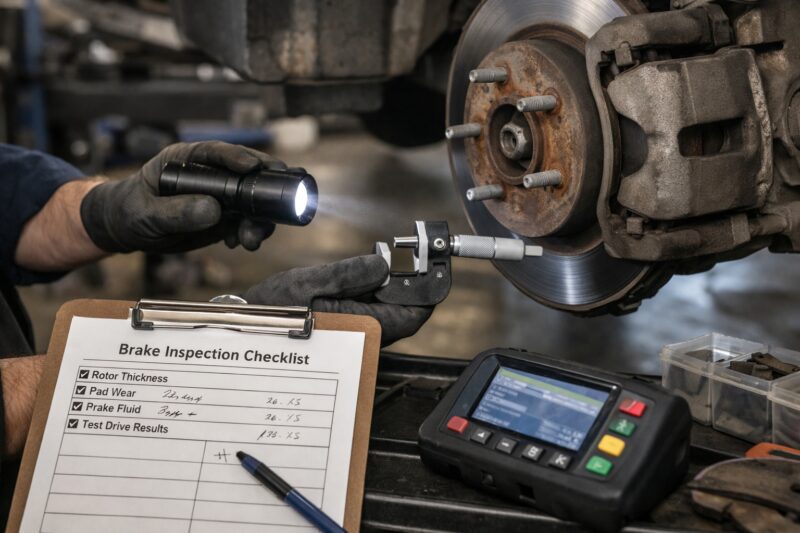
Tradeoffs exist in repair strategy. Sometimes a service is truly pad-only when rotors and hardware meet requirements and caliper function is healthy. Other times, rotor replacement or hardware changes are necessary to restore even contact. A professional shop should explain which strategy it recommends and why, based on inspection evidence.
Watch for estimate “apples-to-oranges.” One shop might include new brake hardware, bleed steps, and disposal, while another quote omits them. That omission can create hidden costs when you return. If you see large differences, ask each shop to explain what is included and what is not.
If you want a practical way to compare quotes, keep an “auto shop finder checklist” mindset during calls. Ask the same questions in the same order, then compare the answers. This reduces bias and helps you choose a shop that supports safe braking with documented work.
Why brake repairs sometimes fail again and how professionals prevent it
Repeat brake issues usually come from root-cause failures, not from one missing part. Professional brake repair services should prevent recurrence by verifying component function and confirming contact and fluid integrity after repair. If your brakes return quickly, you should expect a reinspection, not just another quick part swap.
One common reason repairs do not hold is caliper hardware or slide issues. Uneven pad wear can come from a caliper that does not move freely. If the shop replaces pads but does not inspect slide pins and boots, the problem can repeat with the new pads. Professionals look for wear patterns and then confirm movement and contact behavior.
Rotor condition can also drive repeat problems. If rotor thickness variation or surface damage remains, you can get vibration and uneven pedal feel even after parts replacement. Professionals measure rotors and then choose resurfacing, replacement, or other strategies that match the measured condition. They also manage bedding guidance so the friction surfaces mate correctly.
Brake fluid failures are another root-cause. Moisture in the fluid can degrade pedal feel. If a leak exists or bleeding is not performed correctly, the problem may return quickly. A professional shop evaluates fluid condition, finds the reason for rapid change, and performs correct bleeding steps when they are needed.
Misalignment between parts and vehicle also contributes. Incorrect hardware fit or wrong sensor components can create recurring warnings and related control faults. When professionals verify fit and function, they reduce mismatch risk and limit repeat diagnostic trouble codes.
If you already have recent brake work, a strong next step is to request a “reinspection with the measurements from the first repair.” Ask how the shop will compare new wear patterns to the prior findings. A shop that follows an “automotive repair checklist” approach should be able to show what was checked and why the fix did or did not work.
FAQ
What should I ask before approving brake repair work at a local shop?
Ask for an itemized estimate that lists labor tasks and each part by component. Request the inspection results with measurements for pads, rotors, and any related components they checked. Also ask what tests they will do before and after repair, and what the warranty covers if a problem returns.
How much do brake repair services cost near me?
Pricing varies widely based on your vehicle’s brake system, the parts involved, and what the inspection finds. Costs also change with rotor condition, whether calipers or brake fluid service are needed, and your location’s labor rates. Get an itemized quote so you can compare like-for-like scope and see which costs depend on measurements.
How do I know if I need brake pads, rotors, or something more?
A pro should decide based on wear measurements, rotor surface condition, and caliper or hardware checks. If pad wear is uneven, the shop should investigate caliper movement and slide issues rather than only replacing pads. Rotor vibration often points to rotor condition issues or contact problems that require more than a simple pad change.
Why do my brakes squeal after a recent repair?
Squeal after repair can come from improper bedding, pad material or fit issues, or brake hardware not being replaced or installed correctly. A professional should recheck pad alignment, hardware condition, and rotor contact rather than assuming the pads are defective. They may also inspect for contamination that prevents proper friction behavior.
Is brake fluid service part of professional brake repair services?
Brake fluid service is not always required for every brake job, but it often matters when the fluid condition is poor or bleeding is needed. Moisture in brake fluid can affect pedal feel, and contamination or leaks can require additional attention. A professional should decide based on condition checks and system findings, not habit.
Should I choose OEM parts or aftermarket parts for brake repair?
OEM parts can offer exact fit and matching specifications, while quality aftermarket parts can be a solid value if they meet the correct performance requirements. Ask the shop to explain equivalency, warranty coverage, and what exact components they are installing. If a shop cannot clearly describe part specs, fit, and coverage, ask for clarification before approving work.
What does an itemized brake repair estimate include?
An itemized estimate should list labor breakdown, parts with brand or quality level, and the specific components to be replaced. It should also include fluids and hardware, disposal fees if applicable, and any diagnostic fee if one was charged. Most importantly, it should show pre- and post-repair verification steps they will perform.
How long does brake repair usually take, and what affects the timeline?
Brake repair timelines vary based on the scope of work, parts availability, and how quickly measurements and diagnostics confirm the root cause. Typical workflows include inspection, parts confirmation, repair, and final verification checks. If your rotors or calipers need replacement, or if integrated systems require extra diagnostics, the timeline may extend.
Can a brake warning light mean something other than worn brake pads?
Yes. Some brake warning lights relate to brake fluid level or condition, brake sensor issues, or ABS and traction-related faults. A professional diagnosis should check the brake system components associated with the specific warning behavior rather than replacing parts blindly.
What are red flags that a brake shop may not be diagnosing correctly?
Red flags include vague explanations, lack of measurements or photos, and pressure to replace multiple components without evidence. Another red flag is refusing to discuss warranty terms or not clearly tying the repair plan to inspection findings. If estimates differ in scope without explanation, ask for a detailed breakdown and included tests.
If my brakes were repaired recently, why is the problem back again?
Common reasons include an underlying caliper hardware issue that was not fixed, rotor condition that still causes vibration, or contamination that affects friction surfaces. Improper bedding or incomplete verification can also contribute. A professional reinspection should review the earlier findings and confirm what failed at the component level.
How do I compare dealership vs. independent shop pricing for brake work?
Compare like-for-like scope: the parts list, hardware included, any fluid service, and the verification steps after repair. Ask both shops how they diagnose, what measurements they take, and which parts quality options they offer. Then compare warranty coverage and what each estimate includes so you are not mixing different repair strategies.
Conclusion
Professional brake repair services near you should be inspection-driven, documented, and system-wide. The shop you choose should explain what it measured, why it matters, and how it will verify the fix after repair. Use an “auto service center checklist” mindset when comparing options and ask for an itemized plan tied to inspection results.
With the right approach, you avoid paying for parts that do not match the root cause. Your best protection is a compare-and-verify mindset: clear scope, documented measurements, and post-repair confirmation. If you ever need to rebook, the same “automotive repair checklist” approach helps you ask sharper questions and prevent repeat failures.
Next, gather your symptoms, warning light photos, and any recent receipts. Then book an inspection with a local professional brake shop, request the measurements, and approve only when the repair plan matches the findings. If you like, use an “auto shop finder checklist” while you call so you can ask consistent questions and compare estimates fairly.
Updated September 2026