
If you want reliable, convenient oil change services near you, start by choosing shops that match your vehicle’s oil and filter specs and document what they did. A truly comprehensive visit protects engine performance and helps avoid long-term wear. When you compare local options, you should treat “oil change services” as more than a drain-and-refill job. It should include the correct oil grade, a matching filter, and a practical inspection checklist.
“Comprehensive” means you leave with proof of work and confidence in the fluid levels. In practice, that can include related fluid checks, visible leak checks, and a proper reset of maintenance reminders when your car uses them. In 2026, good providers increasingly support modern service intervals, digital records, and manufacturer-specific requirements. The sections below help you choose the right nearby provider, compare service models, and avoid common mistakes.
How to pick the right nearby provider for a truly comprehensive oil change
A comprehensive oil change should do the right job for your exact vehicle, not a generic “one size fits all” package. When you’re choosing a shop near home, your goal is accuracy first, then convenience. That approach helps protect performance and longevity over years.
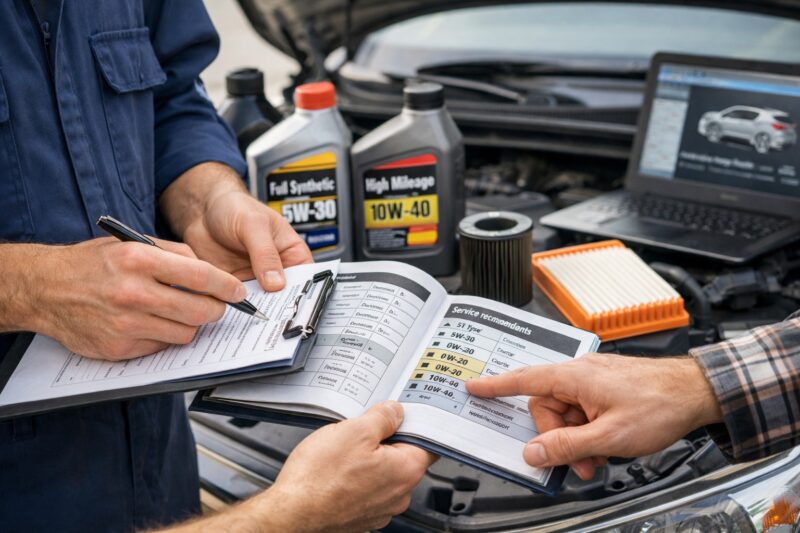
Start by defining what “comprehensive” means for your car. It should include the correct oil spec and viscosity, the right filter type, and checks of oil level plus related items the shop can safely verify. A good shop also documents the work with clear invoice details and logs mileage and date. This is where a strong reliable shop checklist essentials mindset matters.
Use a practical decision path to choose and book with less risk. Shortlist three locations, confirm they can match your vehicle’s oil and filter requirements, and ask what they include beyond the oil. Then check credentials, review recent feedback for missing steps, and book the service that aligns with your needs.
Be careful with “too vague” answers. If staff can’t tell you the oil grade you need or can’t explain what they inspected, that’s a failure mode. Another common mistake is accepting a low-price bundle without matching it to your manufacturer’s guidance. Some vehicles accept multiple equivalent oil specs, so the “cheapest oil” can still be correct, but only if the shop verifies the spec before pouring anything.
If you want to choose the right shop quickly, ask one simple verification question: “Can you confirm the exact oil viscosity and filter spec from my owner’s manual?” A trustworthy shop will show their work in plain language and record it for you. For deeper safety context on fluid handling and disposal, you can review EPA guidance on used oil management from U.S. Environmental Protection Agency.
What’s included in a complete service—beyond just draining and refilling
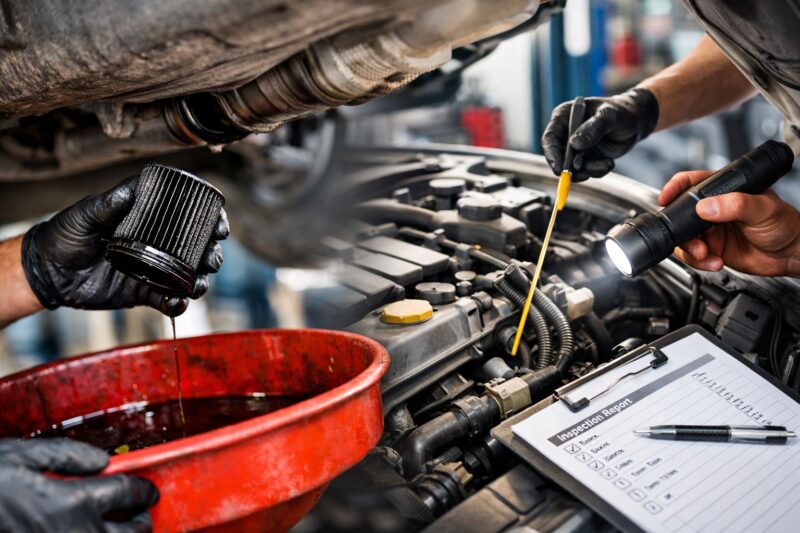
A complete oil change does more than replace oil. It should remove the old filter, confirm oil level, and perform a basic inspection that can catch early issues. The best providers treat the visit as a maintenance checkpoint, not just a fluid swap.
A comprehensive workflow usually starts with vehicle intake and spec selection. The technician chooses the correct oil grade and filter, then drains the oil and replaces the filter. After that, the shop checks the oil level, inspects for leaks, and verifies the area is clean. Some cars also require a reset of the oil-life or maintenance reminder system, so the shop should do that when applicable.
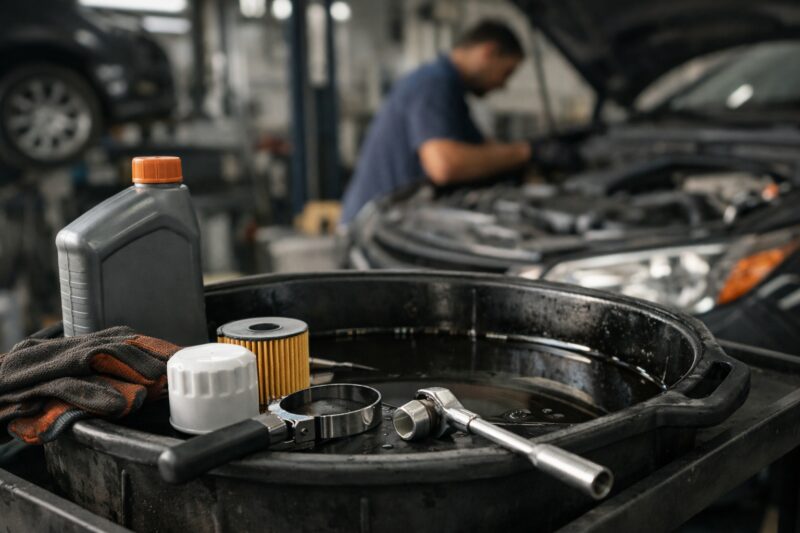
Many “related checks” show up during a good , even when they are not always billed as extra services. These can include under-hood condition checks and a look at items linked to the cooling and lubrication system. The key is how the shop handles recommendations. A reputable shop explains what they found, whether it’s urgent, and what is optional.
Documentation is part of “comprehensive” for a reason. Your invoice should list oil and filter details at a level that helps future maintenance. It should also record mileage and date so you can track intervals and show work history if your warranty or service plan needs it. Without clear records, you lose a key defense against coverage disputes.
Some items are conditional, so a good shop may recommend them only when evidence exists. For example, brake fluid and coolant checks might be suggested based on vehicle age and condition, not as automatic add-ons. The misconception to avoid is believing that frequent top-offs replace a real service. Top-offs help when you’re low, but they do not remove old contaminants the way an oil change does.
When you finish, you should have an end-of-visit outcome checklist in your mind: confirmed oil level, correct filter installed, no new leaks, and the maintenance reminder reset where applicable. That’s a major reason many owners start with a checklist before you book and only authorize work that matches that standard.
Booking steps that reduce surprises on-site at the shop
You can reduce friction at the counter by giving the shop the right vehicle details before you arrive. That makes it easier for them to match oil and filter specs and avoid delays. It also improves the chance that “comprehensive” means the same thing for you and for them.
Before you schedule, gather your vehicle year, make, model, and engine. Also note current mileage and any symptoms, like a low oil warning or a recent leak observation. If your vehicle has strict service requirements, mention them so the shop can confirm their process. If you’re trying to explore available vehicle services, this info helps match you to the right appointment type.
Ask a short set of questions that targets the key risks. Confirm the oil viscosity/spec and the filter type. Ask whether they reset your oil-life or maintenance reminder system if your car uses one. Also ask how they document the service and what you can expect to see on the invoice.
Scheduling also affects your experience. Walk-ins can work, but appointments often help you keep your day on track. If you’re comparing wait times, focus on whether the shop can still do a full multi-point inspection and complete documentation, not only on how quickly they can hand you keys.
Leased vehicles add a special edge case. You may need proof of work to satisfy lease requirements, and some lessors expect documented oil type and filter details. Ask how records will be delivered, and request a copy of the invoice showing the relevant specs. A common mistake is handing over the keys without confirming that documentation will be thorough.
When you arrive, check that the quote matches your vehicle details. If you see a mismatch, stop and clarify before authorization. This simple approach supports a reliable shop checklist essentials standard and prevents rushed “fixes” that don’t align with your maintenance needs.
Comparing common service options near you (and when each makes sense)
Different service models can all provide comprehensive work, but they vary in documentation depth and spec control. The “best” option depends on your priorities: strict adherence to manufacturer guidance, how detailed the records are, or how convenient scheduling is. Compare categories by how they handle the key steps, not by marketing claims.
Dealership service departments often align well with manufacturer-specific processes. They tend to have strong access to OEM information and may be helpful if your car is under a plan tied to dealer maintenance. Independent shops can also deliver comprehensive service, especially when they clearly match oil and filter specs and show the work on the invoice.
Quick-lube chains can be efficient, but you should confirm that their process includes meaningful checks and proper maintenance reset steps when your vehicle needs them. Mobile oil change services can be convenient for busy schedules, but you should confirm how they verify parts, handle disposal, and provide documentation. In each category, your evaluation should come back to the same core outcomes: correct oil, correct filter, and documented inspections.
The tradeoff is control. A customized package at a shop that offers many add-ons can sometimes lead to upselling, even when your car doesn’t need extra items. A more “fixed” package can be fine if it includes the essentials your vehicle requires. The practical move is to verify what “comprehensive” includes in writing, then allow optional items only when the shop explains the evidence.
Customer profiles can guide your choice. A daily driver with straightforward needs might prioritize convenience and clear records. A higher-mileage vehicle often benefits from a careful inspection-first approach for leaks and consumption. Fleet or commercial drivers may prioritize scheduling consistency and fast, documented service trails for maintenance logs. A family road-trip prep might favor appointment availability and a clear checklist of what was verified.
Local conditions also matter. In busy areas, a shop might fit you faster but still manage the multi-step process and cleanup. If you’re trying to choose the right shop quickly, read reviews for documentation quality and watch for mentions of skipped inspections. Those signals often outperform star ratings.
Comparison overview (typical differences):
| Service model | What often differs | When it works well |
|---|---|---|
| Dealership | Strong OEM alignment and service documentation | Newer vehicles, plans tied to dealer records |
| Independent shop | Varies by shop, often good inspection and transparent records | Owners who value explanation and vehicle-specific care |
| Quick-lube chain | Efficiency-focused; documentation may vary | Routine maintenance with strong verification practices |
| Mobile oil change | Convenience-focused; confirm parts verification and records | Busy schedules, home or workplace service |
Common mistakes and misconceptions that can shorten engine life
Most engine problems tied to oil service come from small, repeated mistakes. These include wrong oil viscosity, skipping the correct filter, and not following manufacturer service intervals. When oil service becomes “guesswork,” wear can build quietly.
A common misconception is that any oil works because it’s all “engine-safe.” In reality, viscosity grade and performance specs matter for how oil flows and protects at different temperatures. Another mistake is assuming “frequent changes always outperform.” More frequent service can help in some severe conditions, but it can’t fix incorrect oil specs or an improper filter.
Another frequent issue is poor level handling. Over-topping can aerate oil and reduce protection, while under-filling can starve critical engine parts. Also, top-offs do not replace old contaminants. A comprehensive visit should confirm the level and ensure fresh oil is installed with the right filter.
These mistakes can lead to sludge risk, filter bypass concerns, and reduced engine protection. They can also complicate warranty discussions when records are missing or incomplete. That’s why a comprehensive approach includes documentation and a clear explanation of what was installed and inspected.
Driving-pattern nuance matters too. Short trips, extreme cold starts, heavy towing, and long periods of idling can increase contamination and impact oil life calculations. A good shop tailors recommendations within manufacturer guidance, instead of offering a one-size solution. The misconception weaker sources repeat is “just drive less.” Real life includes commute needs, weather changes, and work demands.
If you’re trying to reliable shop checklist essentials into action, the prevention tactic is simple. Read your owner’s manual for the required oil spec and filter requirements, then confirm the shop matches those specs before work begins. You can also compare your maintenance reminder approach to manufacturer guidance in NHTSA for recall context and safety updates, and in U.S. Department of Energy for general vehicle maintenance concepts that support efficient operation.
Handling special cases with confidence (warranty, leaks, high-mileage, and modern sensors)
Special cases are where comprehensive oil change services really show their value. Warranty concerns, oil leaks, and high-mileage wear patterns require careful documentation and evidence-based recommendations. If a shop treats these cases casually, you may pay later.
Warranty-safe service starts with the right spec and clear records. A reputable shop should show that they used the oil viscosity/spec your manual calls for and installed the correct filter type. You should also expect a detailed invoice with date, mileage, oil type, and filter information. If your vehicle has an oil-life monitoring system, the shop should reset it properly, when applicable.
High-mileage vehicles need a different conversation. The goal is to detect leaks or abnormal consumption without turning every visit into an upsell cycle of additives. Ask questions about what they found during inspection, like residue around seals, foam, or evidence of seepage. Then decide on optional services only when the findings justify it.
Leaks are a major edge case. If you suspect a leak or notice oil after service, don’t ignore it. Stop driving if the oil warning light is on, and contact the shop promptly so they can inspect and correct any issue. A comprehensive visit should include a leak check, but real-world surfaces can hide sources, so follow-up matters.
Modern maintenance sensors can confuse owners. Some vehicles use an oil-life algorithm that depends on driving and temperature. The misconception is that resetting a reminder is automatically “the whole fix.” The correct approach is spec matching plus proper service execution, then a reset as part of that process when your vehicle supports it.
When you book, ask how they handle records for warranty or lease needs. If your car is strict about service steps, request confirmation of documentation and make sure your invoice reflects the specific oil and filter used. This is also where a checklist before you book helps you avoid missing details under pressure.
What to look for in reviews, pricing, and service guarantees before you book
Reviews and pricing help you spot whether a shop consistently delivers comprehensive work. You want evidence of correct specs, documented steps, and good communication, not just a low headline cost. The best signals show up in specific comments about what the shop actually did.
When you evaluate reviews, look for consistency. Do multiple reviewers mention clear documentation and a technician who confirms oil grade and filter details? Do they mention skipped steps, like not checking oil level or not resetting maintenance reminders when applicable? Recurring complaints about “they didn’t do what I asked” are warning signs.
Pricing should be transparent and comparable. A fair quote includes the oil type that matches your spec, the correct filter replacement, and key checks that make it comprehensive. Be cautious with ultra-low offers that hide important inclusions. The practical approach is to compare invoices line by line, then confirm any optional items before authorization.
Service guarantees show integrity. A legitimate shop should clarify how they handle issues from their service, like a mistake with the oil level or a problem related to filter installation. Avoid shops that refuse to take responsibility or that won’t explain the terms of their policy. Another deeper nuance is the “bait-and-upgrade” risk, where a base package becomes a rushed add-on conversation.
To protect yourself, set boundaries upfront. Ask which items are included and which are optional, and request a confirmation of the oil spec and filter type before work begins. This is how pricing and process both support long-term engine health, not just a quick trip through the bay.
If you want choose the right shop quickly, use your call script as a filter. Ask for a breakdown of included items and request how they log mileage and date. If they can’t answer clearly, move on.
Where to find dependable oil change services near you (local search + verification approach)
Finding dependable oil change services near you is about smart searching and then verification by phone or chat. Maps and listings are a starting point, but your real job is to confirm that the shop can match your vehicle’s requirements. This helps you avoid listings that look good but don’t reflect current practices.
Use your preferred map app to search nearby locations, then shortlist by availability and reviews that mention documentation and spec matching. Check service hours and whether they offer appointment scheduling if you need a specific time. Next, verify by contacting the shop with your vehicle details so they can confirm the correct oil viscosity/spec and the filter type.
Create a reliable shop checklist essentials verification checklist for each shop you consider. Confirm the service hours, appointment process, and whether they can show their documentation approach. Ask how they record mileage and date, what ends up on your invoice, and whether they reset your maintenance reminder system when applicable. Also ask what they include under “comprehensive,” so you’re not surprised by what’s missing.
Nearby listings can be misleading for a few reasons. New shops may have limited review history, and ownership changes can alter practices. Some listings also describe past operations, while the current team follows a different process. That’s why you should always verify today, not trust a past description.
When you call, request a clear answer to the core question: “What exactly do you do during a comprehensive oil change for my make and model?” If the staff can explain the inclusions and confirm spec matching, you’re in a safer position. If they dodge specifics, ask for an invoice example or a sample item list that shows oil and filter details.
For even stronger confidence, ask a final question: “Can you show me how you log what you used?” That question often exposes gaps quickly and helps you choose the right shop quickly without wasting weekends.
Frequently Asked Questions About Comprehensive Oil Change Services Near You
What does a “comprehensive” oil change typically include?
A comprehensive oil change typically includes installing the correct oil and replacing the oil filter for your vehicle. It also includes level checks, basic inspection items, and cleanup verification so the engine bay is not left messy or leaking. Many shops also reset the oil-life or maintenance reminder when your car uses that system. You should expect documentation that lists oil and filter details plus the date and mileage.
How much do oil change services cost?
Pricing for oil change services varies based on your vehicle’s oil spec, filter type, and whether your engine requires specialized oil. Cost can also change with included checks, local labor rates, and how detailed the documentation process is. If the shop needs to quote optional items after inspection, your total may vary from the base offer. Request a written quote and confirm which items are included before you approve work.
What’s the typical turnaround time for an oil change near you?
Most standard oil change visits are done in about 30 to 90 minutes, depending on appointment scheduling and service bay availability. If you select additional inspection items or filters that require extra steps, it can take longer. Mobile oil change services may add time for setup and verification. Ask the shop for an estimated window before authorization so you can plan around your day.
How do I confirm the correct oil type and viscosity for my car?
Confirm the correct oil type and viscosity by using your owner’s manual and matching the listed specs. A reputable shop verifies these requirements before the oil is poured. They should be able to state the viscosity grade and explain why it matches your engine’s needs. Good providers also record that spec on your invoice.
Should I choose a dealership, independent shop, or quick-lube location?
Dealerships often align closely with manufacturer procedures and can be a good choice for newer vehicles or plans tied to dealer records. Independent shops can be excellent when they match specs carefully and provide clear documentation. Quick-lube locations may be convenient, but you should confirm their process includes meaningful checks and proper records. The best choice is the one that proves they can deliver comprehensive service for your exact vehicle.
Can I stick with my current oil change interval if I mostly do short trips?
Short trips can change how oil life accumulates because engines run colder and don’t always reach full operating temperature. Many manufacturers account for this through the oil-life monitor or specific guidance in the owner’s manual. A shop may recommend an adjusted interval within manufacturer guidance if they see conditions that increase contamination. Always use the manual as the baseline and confirm the shop’s recommendation with records.
What questions should I ask before approving oil change work?
Ask the shop to confirm the exact oil viscosity/spec and the filter type they will install. Also ask which inspections they perform as part of a comprehensive service. Find out whether they reset your oil-life or maintenance reminder system when applicable. Finally, ask how they document the service so you can keep records for future maintenance.
Will an oil change reset my car’s oil life or maintenance reminder?
It depends on your vehicle’s maintenance system and whether it uses an oil-life monitor. When applicable, a proper shop performs the reset as part of completing the service. You should confirm with the shop before they finish the . The invoice or service record often shows what they did and whether the reminder was addressed.
How can I tell if my shop is truly doing the full work or skipping steps?
Look for evidence such as an invoice that lists the oil and filter installed plus basic inspection items. Ask whether they checked oil level and inspected for leaks, and expect those outcomes to appear in your documentation. If the staff can’t explain what was done or keeps answers vague, that’s a sign steps may be skipped. A comprehensive shop should be transparent from intake to handoff.
Is it safe to use an aftermarket oil or non-OEM filter during an oil change?
It can be safe if the oil and filter meet the correct specifications for your vehicle. Reputable shops choose compatible parts based on the requirements in your owner’s manual, not just generic fit. If your manual calls for a specific performance level, prioritize matching that. Ask the shop to confirm equivalency in writing and record the part details on your invoice.
What should I do if I notice an oil leak after the service?
Contact the shop promptly and request an inspection of the leak source. If your oil warning light is on or the level is low, stop driving and have the vehicle checked immediately. Document what you notice, including where you see oil and when it started. A trustworthy shop should correct any service-related issues and provide a clear explanation of next steps.
Can high-mileage cars need different oil change considerations than newer vehicles?
High-mileage cars often need extra attention to leaks, consumption patterns, and what the engine is already telling you. A comprehensive visit should include careful inspection rather than automatically adding additives. The key is matching the correct oil spec while evaluating whether any optional repairs are justified by symptoms. Ask the shop to explain findings and avoid unnecessary add-ons without evidence.
Conclusion
Comprehensive oil change services near you should mean correct oil and filter specs, meaningful inspections, proper cleanup, and documented work you can trust. The buying decision is simple when you follow a consistent path: shortlist → confirm specs and inclusions → compare options → ask verification questions → book with confidence.
Before you pick a provider, start with a checklist before you book so you can quickly confirm what the shop includes in a comprehensive . If you’re looking to streamline your choices, use your questions to help you choose the right shop quickly and avoid vague answers about oil grade, records, or inspection steps. Then request how they log work so your maintenance history stays accurate in 2026.
Finally, contact one or two nearby providers and ask for their comprehensive checklist and documentation approach. Keeping accurate records and following your manufacturer guidance helps protect engine performance and longevity, even as your driving patterns evolve.
Updated September 2026